
The History of Hollywood Nightclubs and Project Club LA’s Place
Hollywood nightlife has always reflected the mood of its era. From glamorous supper clubs and jazz rooms to neon-lit dance floors and high-energy EDM venues, the district has turned music, performance and celebrity culture into a distinctive social experience. Nightclubs became places where visitors could see emerging artists, dress for the occasion and feel connected to the entertainment industry.
For Australian visitors, this tradition has a familiar appeal. Sydney’s late-night venues, Melbourne’s electronic music culture and the Gold Coast’s party scene all show how nightlife can shape a city’s identity. Hollywood adds another layer: its clubs operate within the mythology of film, television, live performance and Los Angeles show business.
The Early Glamour of Hollywood Nightlife
During Hollywood’s early studio era, nightlife was closely tied to hotels, restaurants, jazz orchestras and celebrity appearances. Venues around Hollywood Boulevard and Sunset Boulevard attracted actors, musicians, producers and curious visitors hoping to glimpse the people shaping popular culture. Dining, dancing and live entertainment were usually part of the same evening rather than separate activities.
Theatres and clubs also shared talent, production skills and audiences. That connection remains relevant today, as live entertainment depends on performers, technicians, choreographers and creative teams. Modern arts education, such as theatre career training, shows how performance pathways continue to support the wider entertainment ecosystem.
As Hollywood expanded, nightlife became more visually ambitious. Interior design, lighting, costumes and door presentation helped venues create a world distinct from the street outside. That emphasis on atmosphere still influences contemporary dance clubs, where the experience is built through sound, visuals, crowd energy and production design.
From Jazz Rooms to the Sunset Strip
By the middle of the twentieth century, the Sunset Strip had become a major nightlife corridor. Jazz clubs, rock venues and late-night restaurants helped establish Los Angeles as a city where music careers could begin in small rooms before reaching national audiences. The Strip’s reputation was shaped by live bands, fashionable crowds and a willingness to embrace new sounds.
The disco era later brought a stronger focus on the dance floor. DJs, extended mixes, mirror balls and sophisticated sound systems changed how people experienced a night out. Clubs became destinations for dancing itself, rather than simply places to hear a band or socialise over dinner. The influence of that period can still be seen in house, techno, trance and commercial EDM.
The visual language of nightlife also grew more theatrical. Lighting rigs, guest performers and themed events transformed a club into an immersive production. Even details such as birthday styling and coordinated outfits contribute to that sense of occasion; visitors planning a celebration can find useful event styling ideas when creating a polished group experience.
The Rise of DJs and Electronic Dance Music
In the late twentieth and early twenty-first centuries, Los Angeles nightlife increasingly centred on DJs and electronic music. Clubs began booking recognised names alongside local selectors, while promoters used social media, music videos and event photography to build anticipation. The result was a faster, more connected nightlife economy in which a single performance could attract guests from across the city and overseas.
EDM venues also introduced a different kind of crowd rhythm. A headline set might run for several hours, with support acts shaping the atmosphere before the main performance. Sound quality, bass response, lighting, security and crowd flow became essential parts of the night, especially as guests expected a complete entertainment experience rather than a basic bar visit.
This evolution has parallels in Australia. Melbourne is known for its electronic music heritage and warehouse-inspired culture, while Sydney audiences often plan around transport, venue capacity and strict late-night regulations. Australian guests are also accustomed to checking ID requirements, responsible service policies and public transport options before committing to a major night out.
Where Project Club LA Fits In
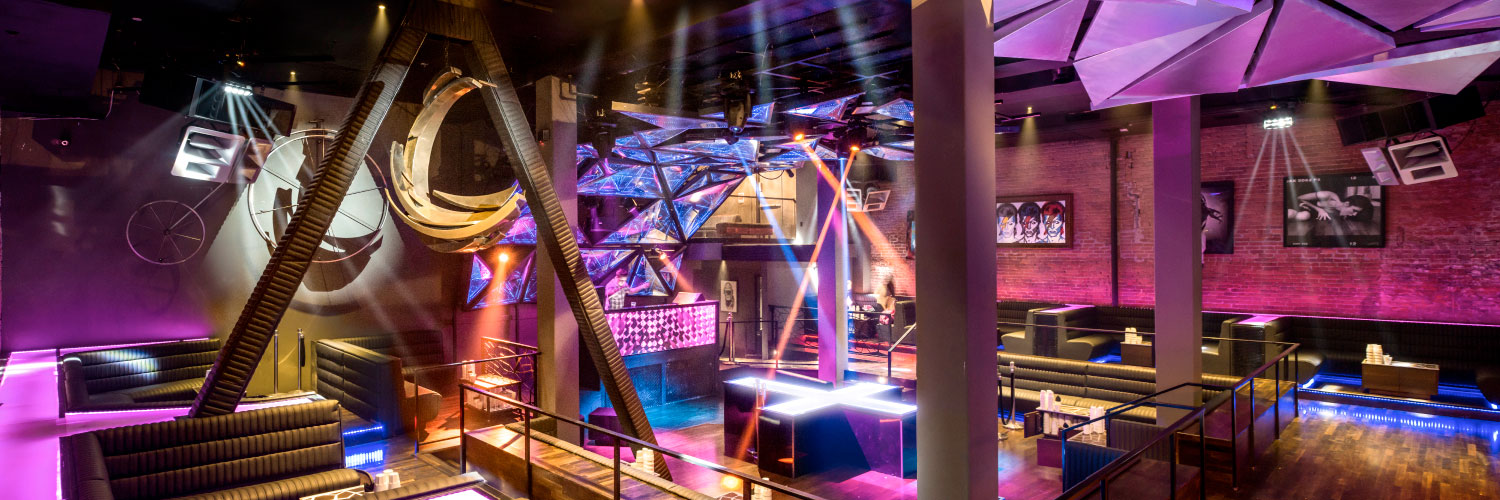
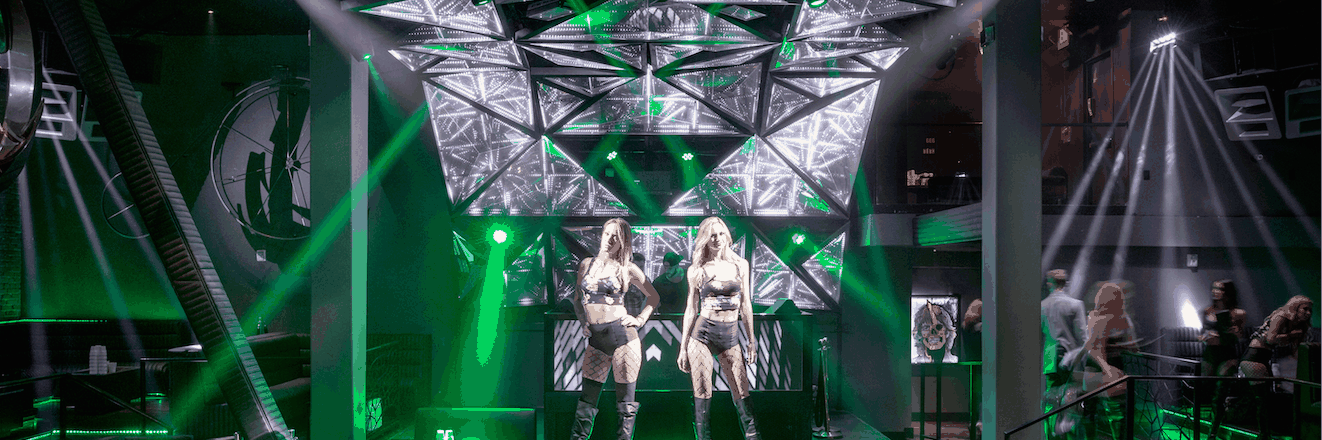
Project Club LA belongs to the current generation of Hollywood venues that combine a nightclub, concert atmosphere and event destination. Its programme of dance music, guest DJs and special performances connects the club to the long history of Hollywood entertainment while keeping the focus on contemporary audience expectations.
The venue also reflects how nightlife has expanded beyond a standard weekend booking. Visitors can purchase tickets, reserve VIP tables and organise birthday celebrations, making the club suitable for different kinds of occasions. Updates, videos and photo galleries extend the experience online, allowing guests to see the venue’s energy before they arrive.
For visitors travelling from Australia, the appeal lies in experiencing an authentic Los Angeles night rather than simply reproducing a familiar local format. A Sydney or Melbourne club night may be shaped by Australian licensing rules and transport patterns; a Hollywood evening adds American show-business scale, late-night hospitality and the cultural history of the surrounding streets. The venue’s perspective is captured in its guide to why it appeals to dance music fans.
Making a Hollywood Club Night Count
A successful night begins with practical planning. Los Angeles venues can be spread across large distances, and rideshare demand often increases after headline sets. Visitors from Brisbane, Perth or Adelaide should allow time for traffic, check the door policy and confirm whether tickets, guest-list access or table reservations suit their plans.
Project Club LA’s official event calendar and tickets provide the best starting point for checking upcoming performances, entry details and special events. Birthday groups and VIP guests should consider arrival times, table requirements and the number of people attending before making arrangements.
Useful planning priorities include:
- Choose the event according to the music style and headline DJ.
- Confirm ticket, dress code, age and identification requirements.
- Arrange a safe return journey before the venue becomes busy.
- Reserve VIP seating early for birthdays or larger groups.
- Follow responsible service and venue security policies.
- Sign up for event updates so important changes are not missed.
Hollywood’s nightclub history is still being written through the people who fill its dance floors, the artists who shape its sound and the venues that turn an evening into a complete performance. Explore upcoming Project Club LA events, organise your group and make your next Los Angeles night part of that continuing story.
Mondays are the new Saturday! Join us tonight for a very special @mondaysocial ft Dj Dan b2b Andy Caldwell VIP: 201.452.8163 | vip@projectclubla.com
Just woke up like… #daylightsavings #justinbieber #mcm #projectclubla
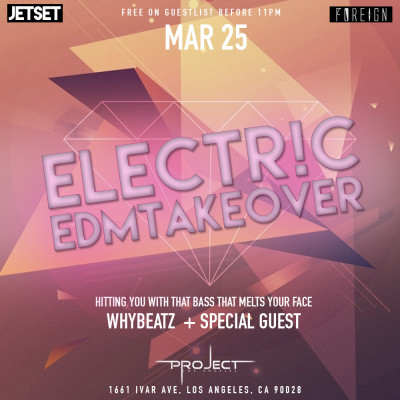
Cheers to the freakin’ weekend! Let’s go big at #ProjectFridays for the #Jetset EDM Takeover! #projectclubla VIP: 201.452.8163 | vip@projectclubla.com
We’re getting down tonight with #CableMonkeys you won’t want to miss out on this special #ProjectOnSaturdays #projectclubla VIP: 201.452.8163 | vip@projectclubla.com
Let’s keep the party going tonight for @mondaysocial with Martin Roth, Davi, & Ray Kash #projectclubla VIP: 201.453.8163 | vip@projectclubla.com
Waiting for the #weekend like….☕️ #projectclubla
We are kicking off the #weekend right tonight for #ProjectFridays , see you on the dance floor! VIP: 201.452.8163 | vip@projectclubla.com
The stars align tonight at the Sol Selecta’s Showcase Ft. @Nadastrom @djsabonyc and @saandmusic #MondaySocial VIP: 201.452.8163 | vip@projectclubla.com
A little #tbt of the beautiful #jenniferlawrence at the #oscars ❤️ can’t wait to see this year’s fashion! #projectclubla
#goals we love the new #rihanna & #drake music video for #work #projectclubla
Getting a little workout in before @mondaysocial tonight! #MNS #projectclubla
The legendary space Miami resident @cocodrills are spinnin tonight at @mondaysocial we’ll see you there #projectclubla VIP: 201.452.8163 | vip@projectclubla.com
Let’s #knockout this day! #happytuesday #adrianalima #projectclubla
Is it the #weekend yet?! We’re ready to open our doors for you again #projectclubla
It’s going down tonight at #ProjectOnSaturdays with @mikey_danger and @brandenking_ we’re going big! VIP: 301.452.8163 | vip@projectclubla.com
It is about to be a good night tonight here at #projectclubla for #ProjectFridays see you there! VIP: 201.452.8163 | vip@projectclubla.com
We are so excited for @krewella to take the stage tomorrow for Yasmine’s birthday party! If you haven’t already got your tickets, link in the bio
Why settle for just a glass when you can go the full bottle? #nationaldrinkwineday #projectclubla
Tonight the ladies of @krewella are taking over #projectclubla for Yasmine’s birthday, All proceeds go to Charity @danceforparalysis , Get your tickets and tables reserved before they sell out! Link in the bio VIP: 201.452.8163 | vip@projectclubla.com
Beyoncé is just so majestic! Who had the best outfit at the Grammys? #projectclubla #grammys #queenb