
How Project Club LA builds DJ lineups that keep the floor moving
When a venue's reputation travels as far as the dance music community reaches, every booking becomes a statement. Project Club LA sits in the middle of Hollywood's nightlife scene, yet its approach to programming resonates with clubbers from Sydney to Brisbane, Melbourne to Perth. The team behind the booth treats a night as a living arc rather than a sequence of unrelated sets, building energy from the moment doors open until the lights come back on.
For Australian fans who follow the scene online, who travel to California for shows, or who simply want to understand what separates a memorable night from a forgettable one, the curation choices reveal a craft worth studying. The club blends residency with surprise, headliners with rising talent, and pure house with crossover appeal — all timed to the way a crowd actually moves through an evening.
Programming with purpose
Bookings at the venue start with a question rather than a name: what story does this room need to tell tonight? Talent buyers study recent ticket sales, demographic shifts in Hollywood's foot traffic, and the broader EDM release calendar before signing a single contract. A weekend with multiple chart-topping releases often gets a marquee headliner, while slower weeks lean on locals and up-and-coming residents who can fill a floor through word of mouth.
The booking team also weighs the realities of distance. Australian promoters who fly talent across the Pacific understand that long-haul travel affects artists' stamina and set choices. Project Club LA plans around this too, accepting that an opener flown in from Berlin or Tokyo may save harder sounds for the second half of the set, while resident DJs working fresh in Hollywood can stretch a warm-up into something more adventurous early on.
Reading the room and the clock
Curation at the club is not a fixed formula but a live reading. Floor staff and the head of programming stay in touch through the night, watching how bodies cluster, where smiles peak, and which moments draw phones into the air. That feedback shapes the next DJ's brief: a slow build if the room feels over-caffeinated, a heavier drop if energy plateaus after midnight.
This kind of pacing matters deeply in markets shaped by strict trading-hour legislation. Sydney's well-documented lockout era, partially relaxed in 2020, rewired how audiences in New South Wales consume nightlife, compressing peak energy into shorter windows. Melbourne and Brisbane, with more relaxed rules, allow a longer arc. Project Club LA borrows from both worlds, designing nights that peak early for visiting international guests and stretch deep for locals who treat 3 a.m. as a starting point.
Genre flow and resident talent
Genre sequencing is where the venue's identity becomes audible. A typical Saturday moves through melodic house, tech house, a main-room bass interlude, then a closing techno or open-format finale. Residents handle the connective tissue — the warm-ups, the transitions, the moments between headliners where the room needs holding. Headliners arrive as the punctuation, not the entire sentence.
Comparing the way Australian promoters handle similar arcs, brands at ivy Sydney or Marquee often lean on festival-style packaging, while LA's venue treats each genre as its own chapter rather than a single mega-mix. Fans Down Under who appreciate layered nights tend to respond well to that structure when they visit.
| Slot | Style focus | Resident role | Headliner role |
|---|---|---|---|
| Doors to 11 p.m. | Melodic, soulful house | Sets mood, reads crowd | Rare for this slot |
| 11 p.m. to 1 a.m. | Tech house, groove | Builds energy | Featured opener slots |
| 1 a.m. to 3 a.m. | Bass, big room, crossover | Spot mixes, MC work | Marquee headline set |
| 3 a.m. to close | Techno, open format | Closes arc | Surprise B2B sets |
Sound, lights, and crowd immersion
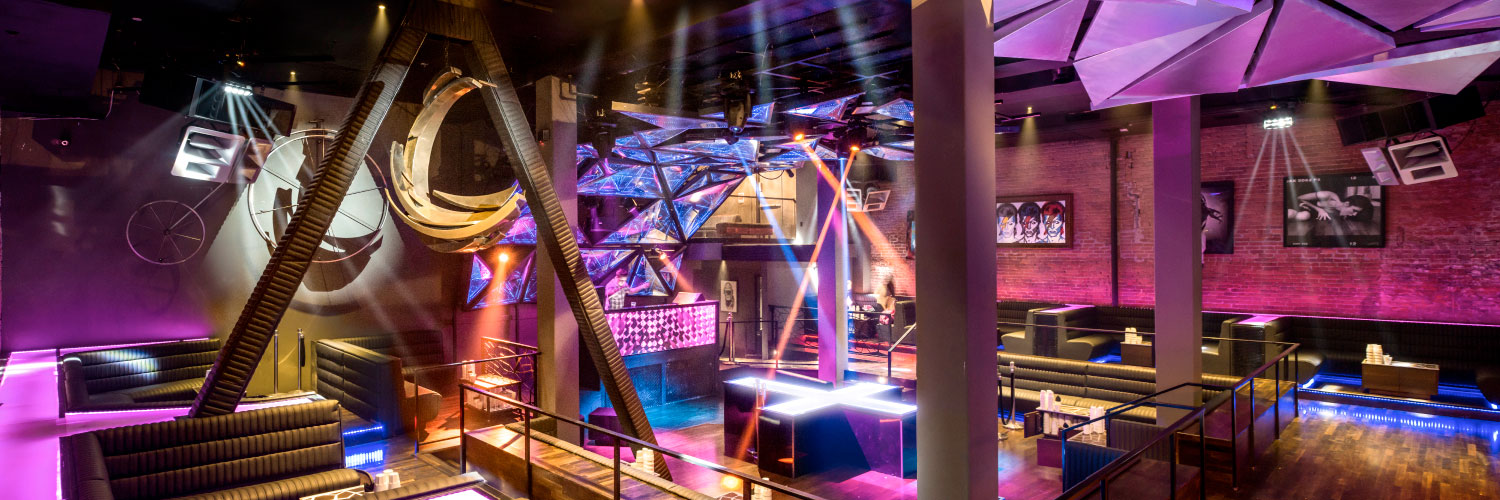
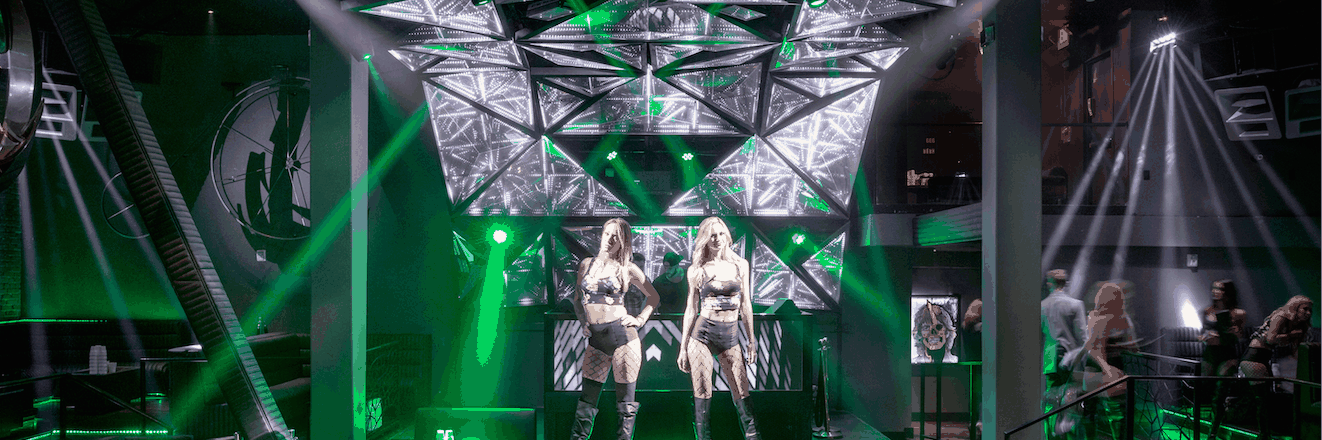
A lineup only delivers if the room supports it. The venue invests in a sound system tuned for tight low end and crisp highs, lighting rigs that flex from subtle washes to full-festival mode, and a stage layout that keeps DJs visible without turning the booth into a spectacle. These choices are deliberate: a headliner playing through muddy sound cannot connect with a crowd no matter how strong the track selection.
Production at the club extends beyond speakers and lights into the texture of the night itself. Australia's festival calendar sets a high bar, with events like Listen Out and the now-defunct Stereosonic training local audiences to expect large-format sound and precise lighting cues. Visitors from Melbourne or the Gold Coast often comment on the visual intimacy compared to huge outdoor festivals, yet the technical polish feels familiar — a middle ground between warehouse rave and stadium show. For hosts planning their own celebrations, even small touches like a dessert bar setup can carry that same energy into a private party.
Practical takeaways for night planners
Smaller venues, pop-up promoters, and even private event hosts can borrow pieces of this model without matching its budget. The first shift is structural: think of the night as chapters, not as a flat list of acts. The second shift is communicative: brief every DJ on the room's mood at handover, not just on their scheduled slot.
Buying patterns matter too. Australians tend to lock in tickets earlier than US crowds, especially when travel or pre-drinks are involved, so release schedules and clear tier communication help. That same attention to friction at the door shows up in how leading venues handle entry and confirmation.
- Build the night in arcs so each artist understands the room's emotional shape.
- Brief DJs at handover, not just at soundcheck.
- Use residents to warm, bridge, and close, freeing headliners for peak impact.
- Sequence genres so transitions match natural crowd cycles.
- Tune sound and lighting to support the music rather than compete with it.
- Plan ticket flow with clear tiers and fast confirmation — the ticket guide shows how smooth purchasing can feel.
Headline-worthy energy rarely comes from a single booking decision. It comes from a room, a timeline, a roster, and a team that respects every hour of the night. See the upcoming calendar, grab tickets, or reserve a VIP table through the Project Club LA homepage and feel the difference that careful curation makes from the first beat to the last.
Mondays are the new Saturday! Join us tonight for a very special @mondaysocial ft Dj Dan b2b Andy Caldwell VIP: 201.452.8163 | vip@projectclubla.com
Just woke up like… #daylightsavings #justinbieber #mcm #projectclubla
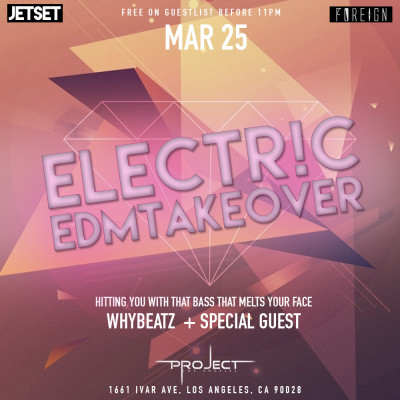
Cheers to the freakin’ weekend! Let’s go big at #ProjectFridays for the #Jetset EDM Takeover! #projectclubla VIP: 201.452.8163 | vip@projectclubla.com
We’re getting down tonight with #CableMonkeys you won’t want to miss out on this special #ProjectOnSaturdays #projectclubla VIP: 201.452.8163 | vip@projectclubla.com
Let’s keep the party going tonight for @mondaysocial with Martin Roth, Davi, & Ray Kash #projectclubla VIP: 201.453.8163 | vip@projectclubla.com
Waiting for the #weekend like….☕️ #projectclubla
We are kicking off the #weekend right tonight for #ProjectFridays , see you on the dance floor! VIP: 201.452.8163 | vip@projectclubla.com
The stars align tonight at the Sol Selecta’s Showcase Ft. @Nadastrom @djsabonyc and @saandmusic #MondaySocial VIP: 201.452.8163 | vip@projectclubla.com
A little #tbt of the beautiful #jenniferlawrence at the #oscars ❤️ can’t wait to see this year’s fashion! #projectclubla
#goals we love the new #rihanna & #drake music video for #work #projectclubla
Getting a little workout in before @mondaysocial tonight! #MNS #projectclubla
The legendary space Miami resident @cocodrills are spinnin tonight at @mondaysocial we’ll see you there #projectclubla VIP: 201.452.8163 | vip@projectclubla.com
Let’s #knockout this day! #happytuesday #adrianalima #projectclubla
Is it the #weekend yet?! We’re ready to open our doors for you again #projectclubla
It’s going down tonight at #ProjectOnSaturdays with @mikey_danger and @brandenking_ we’re going big! VIP: 301.452.8163 | vip@projectclubla.com
It is about to be a good night tonight here at #projectclubla for #ProjectFridays see you there! VIP: 201.452.8163 | vip@projectclubla.com
We are so excited for @krewella to take the stage tomorrow for Yasmine’s birthday party! If you haven’t already got your tickets, link in the bio
Why settle for just a glass when you can go the full bottle? #nationaldrinkwineday #projectclubla
Tonight the ladies of @krewella are taking over #projectclubla for Yasmine’s birthday, All proceeds go to Charity @danceforparalysis , Get your tickets and tables reserved before they sell out! Link in the bio VIP: 201.452.8163 | vip@projectclubla.com
Beyoncé is just so majestic! Who had the best outfit at the Grammys? #projectclubla #grammys #queenb