
How to choose the best VIP table at Project Club LA for your group
LA pulls Australians in for many reasons. Sydney and Melbourne ravers often book long-haul trips around major US festival weekends, building a holiday around sets from artists they have followed online. Brisbane and Perth crews do the same when international tours land on the West Coast.
Hollywood remains a bucket-list destination, and dancing beneath the same lights as the global EDM circuit adds excitement that home venues cannot match. Australian party culture tends to revolve around group bookings, so finding a shared space that elevates the night is a priority.
Picking the right VIP table shapes the entire evening. The choice affects legroom, proximity to the DJ booth, and whether your group can actually hear each other over the bass. A few small decisions at the booking stage save a lot of frustration once you arrive.
The following guide covers table categories, group sizing, sightlines, payment logistics for travellers paying in Australian dollars, and how Australians and Americans approach a big night out differently.
Understanding VIP tiers and what they include
Project Club LA offers several tiers of reserved seating, and they are not interchangeable. Lower-priced options place your group along the perimeter of the main room, which works for crews that want space to chat between songs. Mid-range tables sit closer to the action and include bottle service, mixers, and a dedicated host.
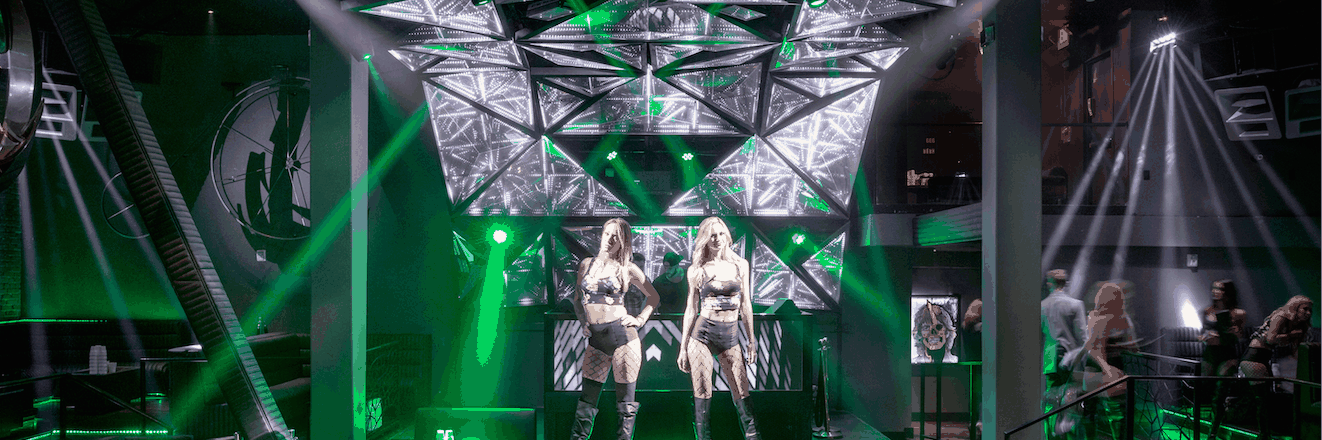
Premium and stage-side tables command higher minimums but place you within metres of the DJ booth. These suit milestone celebrations, including birthdays, where the guest of honour wants the spotlight.
Some packages bundle priority entry, coat check, and reserved parking nearby. Hollywood parking is notoriously tight, so anything that eases that headache is worth a closer look. Ask the venue what is included before you sign off.
Matching the table to your group
A common mistake is booking a table that looks generous in photos but feels cramped once five or six friends pile in. Allow one seat per guest plus a buffer for drinks. Melbourne and Sydney crews often travel in groups of eight to twelve, and most mid-tier tables seat six to eight.
For larger parties, ask about combining adjacent tables or booking a private section. The venue can usually accommodate groups of up to twenty with the right setup, and the booking team will sort sightlines and bar access. Group photos come out better when everyone has breathing room.
Smaller crews of two to four can manage with a single cocktail-style table on the mezzanine. These cost less and still come with host service and bottle presentation. A quick comparison of the main options helps match the right tier to your group.
| Table type | Best for | Typical group size | Location in venue |
|---|---|---|---|
| Mezzanine cocktail | Couples and small crews | 2-4 | Upper level, lounge view |
| Standard perimeter | Mixed groups who want space | 5-8 | Edges of main room |
| Mid-floor booth | Groups near the action | 6-10 | Between bar and stage |
| Premium stage-side | Birthdays and milestones | 4-8 | Within metres of DJ booth |
| Combined private section | Large celebrations | 12-20 | Reserved zone, flexible layout |
Where in the room your table sits
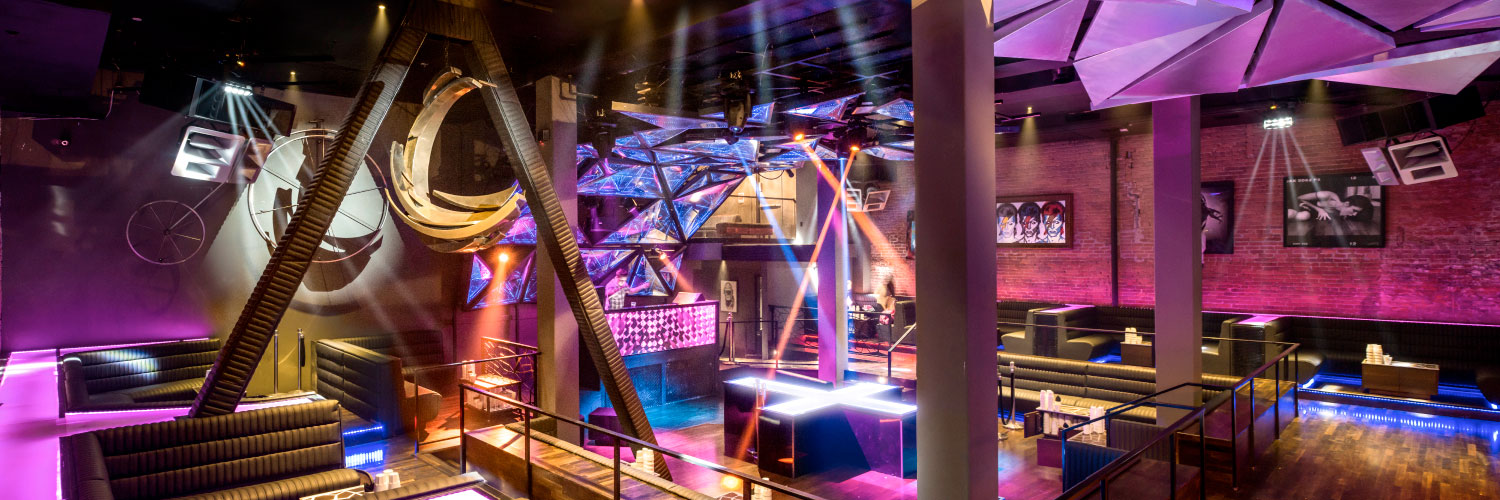
Location is the biggest factor after budget. Tables near the speakers deliver the best sound but can be punishing during a four-hour set if your group wants to talk. Tables at the back offer a breather zone and easier bar access, but you lose the visual connection to the stage.
A balanced option is the raised sections that overlook the dance floor. You get a clear view of the lighting rig and the DJ, you can move down when the drop hits, and you can retreat when your ears need a rest. Many Australian visitors appreciate that vertical choice.
For groups that include friends who do not want to dance every minute, a booth near a lounge area tends to work well. The seating is softer and conversation does not require shouting. If your crew is split between dancers and watchers, this is often the compromise that keeps everyone happy.
Booking, payments, and Australian travel realities
Australian banks and credit cards work fine for US bookings, but watch for international transaction fees of one to three percent per swipe. Paying in Australian dollars through your card can be more expensive than paying in US dollars, so choose the local currency option at the terminal.
Age entry rules differ from Australia. Australian venues enforce Responsible Service of Alcohol standards strictly, while ID checks at Hollywood clubs can be more relaxed than what you are used to at home. Bring a current passport rather than a driver's licence, especially if your Australian ID does not list your date of birth in a US-friendly format.
Australians flying in should factor in jet lag. A direct Sydney to LA flight lands early morning when your body clock still believes it is bedtime, so book your VIP night for the second or third evening. Weeknight events, such as the Thursday night programming, ease into the week without the Saturday crowds.
Making the most of the night once you arrive
A little pre-planning stretches the value of the booking. Confirm the dress code before you fly, because Hollywood clubs often enforce smart casual and turn away groups in sneakers or shorts. Australian festival fashion usually passes, but leave the thongs at the hotel.
Arrive together rather than staggering in. The host will seat the full group at once, which avoids the awkward shuffle of saving seats and lets your bottle service begin on time. Keep your table minimum organised with one person managing the running total, so nobody is hit with a surprise bill at the end of the night.
Treat the VIP table as a home base rather than a prison. The best tables are the ones you leave to dance and return to for a break and a drink. If anyone needs a quieter moment, agree on a meeting spot inside the venue beforehand. For pre-trip entertainment on the long flight, some travellers browse anime streaming guides to pass the time.
Lock in a table today. Head to Project Club LA to browse events, check availability for your travel dates, and reserve a spot that matches your crew. Booking early gives the best table choices, especially around big-name DJs and US holiday weekends when Australians often fly in to celebrate.
Mondays are the new Saturday! Join us tonight for a very special @mondaysocial ft Dj Dan b2b Andy Caldwell VIP: 201.452.8163 | vip@projectclubla.com
Just woke up like… #daylightsavings #justinbieber #mcm #projectclubla
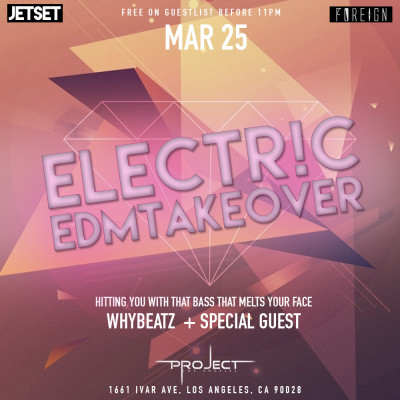
Cheers to the freakin’ weekend! Let’s go big at #ProjectFridays for the #Jetset EDM Takeover! #projectclubla VIP: 201.452.8163 | vip@projectclubla.com
We’re getting down tonight with #CableMonkeys you won’t want to miss out on this special #ProjectOnSaturdays #projectclubla VIP: 201.452.8163 | vip@projectclubla.com
Let’s keep the party going tonight for @mondaysocial with Martin Roth, Davi, & Ray Kash #projectclubla VIP: 201.453.8163 | vip@projectclubla.com
Waiting for the #weekend like….☕️ #projectclubla
We are kicking off the #weekend right tonight for #ProjectFridays , see you on the dance floor! VIP: 201.452.8163 | vip@projectclubla.com
The stars align tonight at the Sol Selecta’s Showcase Ft. @Nadastrom @djsabonyc and @saandmusic #MondaySocial VIP: 201.452.8163 | vip@projectclubla.com
A little #tbt of the beautiful #jenniferlawrence at the #oscars ❤️ can’t wait to see this year’s fashion! #projectclubla
#goals we love the new #rihanna & #drake music video for #work #projectclubla
Getting a little workout in before @mondaysocial tonight! #MNS #projectclubla
The legendary space Miami resident @cocodrills are spinnin tonight at @mondaysocial we’ll see you there #projectclubla VIP: 201.452.8163 | vip@projectclubla.com
Let’s #knockout this day! #happytuesday #adrianalima #projectclubla
Is it the #weekend yet?! We’re ready to open our doors for you again #projectclubla
It’s going down tonight at #ProjectOnSaturdays with @mikey_danger and @brandenking_ we’re going big! VIP: 301.452.8163 | vip@projectclubla.com
It is about to be a good night tonight here at #projectclubla for #ProjectFridays see you there! VIP: 201.452.8163 | vip@projectclubla.com
We are so excited for @krewella to take the stage tomorrow for Yasmine’s birthday party! If you haven’t already got your tickets, link in the bio
Why settle for just a glass when you can go the full bottle? #nationaldrinkwineday #projectclubla
Tonight the ladies of @krewella are taking over #projectclubla for Yasmine’s birthday, All proceeds go to Charity @danceforparalysis , Get your tickets and tables reserved before they sell out! Link in the bio VIP: 201.452.8163 | vip@projectclubla.com
Beyoncé is just so majestic! Who had the best outfit at the Grammys? #projectclubla #grammys #queenb