
Project Club LA and Hollywood's Electronic Music Revival
Hollywood once pulsed to analog synths and warehouse raves, long before EDM dominated festival mainstages. In the 1990s the Sunset Strip exported a West Coast sound that fused trance, house and breaks. As the millennium turned, that scene drifted toward corporate festivals, leaving Los Angeles nightclubs searching for a new identity. A decade later, a fresh wave of promoters rebuilt the city's reputation as a dance music capital, and Project Club LA emerged as one of the most consistent anchors of that resurgence.
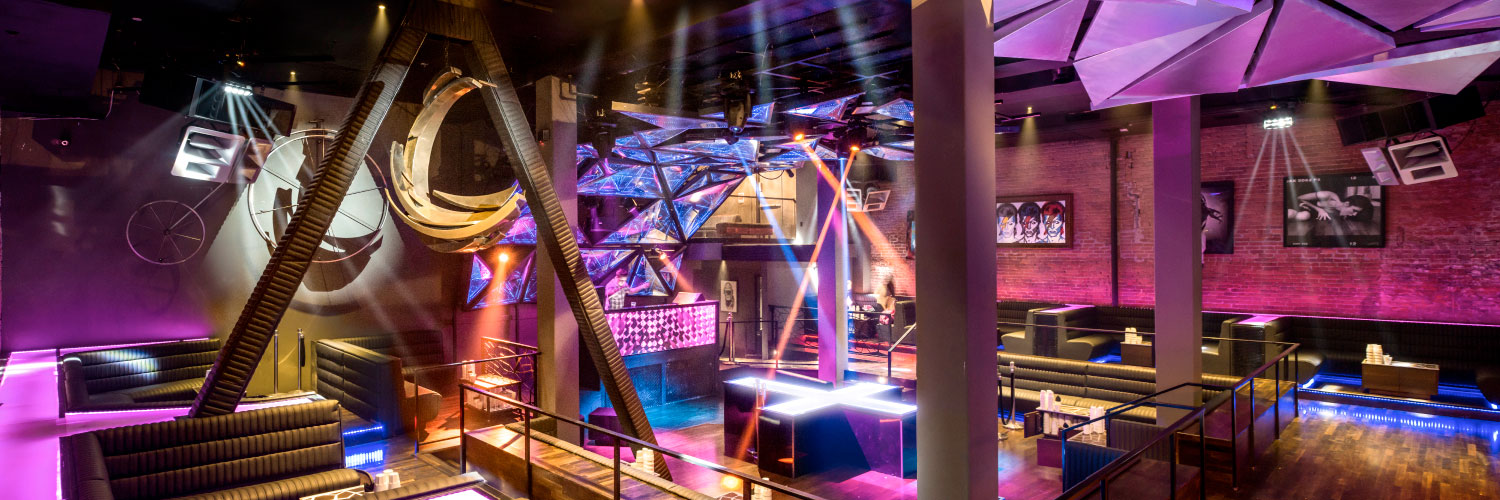
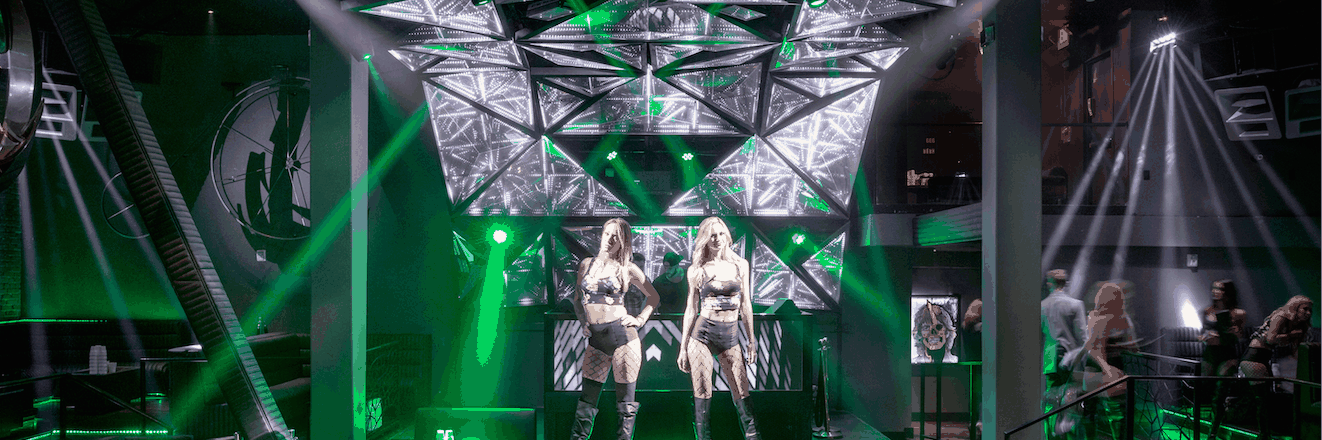
From its base near the heart of Hollywood, the club has built a reputation on recurring weekly nights, surprise guest bookings and a high-production atmosphere that rivals larger festival stages. Its calendar blends house, techno and bass-heavy selections with regular slots for rising talent and established selectors. For overseas dance music fans, particularly those travelling in from Sydney, Melbourne and other Australian cities, the venue has become a familiar waypoint on any Los Angeles itinerary centred on electronic music.
The venue's site lists upcoming residencies, VIP packages and photo galleries, while social channels drop weekly line-up announcements for visitors planning a longer dance music holiday.
Hollywood's Electronic Music Heritage
Los Angeles was not always the festival-dominated market it is today. In the early 1990s, nights at the Global drew dedicated crowds who cared more about the DJ than the brand behind the event. Trance clubs like Blue in Hermosa Beach pushed melodic lines into the mainstream, while downtown warehouses incubated the breaks and drum-and-bass scenes that fed the rave generation.
As mainstream EDM peaked in the early 2010s, the city lost underground grit. Mega-festivals pulled crowds away from smaller venues, and many clubs shuttered or pivoted to Top 40 programming. The current revival, gathering pace since the early 2020s, is partly a response to that hollowing out. Promoters are leaning back into longer sets, stricter genre programming and more demanding sonic systems, treating listeners as connoisseurs rather than casual consumers.
This renewed appetite favours venues that programme residencies rather than one-off bookings, opening the door for international audiences including fans from Australia's strong electronic music culture to find a familiar sensibility in Hollywood once again.
How Project Club LA's Weekly Programming Sustains the Scene
Weekly programming is the backbone of any lasting club revival, and Project Club LA has invested heavily in regular nights that give loyalists something to anchor their calendars around. Friday sessions lean toward melodic house, Saturdays rotate between bass-heavy line-ups and techno, and Sundays feature the city's most experimental selectors. Local headliners are paired with touring DJs from Berlin, London and Sydney, ensuring each week carries a distinct identity.
The club operates a tiered ticketing structure. General admission covers the dance floor and main bar, while VIP sections are sold as table reservations with bottle service. Photo walls and elevated platforms make the VIP area attractive for content creators and visiting celebrities, and the pricing keeps the door open for younger fans. In a city where venues open and close with alarming speed, that predictability is part of why the venue has become a permanent fixture on Hollywood's electronic map.
Resident and Guest DJs Shaping the Sound
The residents are not interchangeable warm-up DJs. They are selected for craft, often holding down weekly slots elsewhere in the city or running their own underground parties. That roster feeds guest bookings through a familiar pipeline: international acts touring the United States typically request collaborations with LA-based talent, and the club is frequently on the shortlist for those crossover nights.
DJs from Australia and New Zealand have become regular fixtures. Artists who rose through Sydney's Boiler Room circuit or Melbourne's Revolver Upstairs often treat Hollywood as a key stop on US tours. The exchange is not one-way; the venue has hosted album-release parties for producers whose work first broke in Brisbane's Fortitude Valley, reinforcing Los Angeles' standing as a global dance music hub rather than a regional outpost.
VIP Tables, Birthdays and the Cash Bar Question
For groups celebrating milestones, VIP tables are the centrepiece of the experience. Reservations include dedicated service, priority entry and a curated view of the main stage, with packages scalable for birthdays, bachelor parties and corporate events. Many international visitors arrive expecting bottle service as the default, only to learn that the club also supports cash bar options for guests who prefer to manage their own spending.
Large groups weighing those choices often consult a cash bar management guide to budget appropriately. Setting a per-drink cap, designating a host to handle payment rounds and timing the bar opening against the headliner's set are common tactics that keep costs predictable. Birthday celebrations benefit from this approach, since guests appreciate a clearly defined spend limit rather than an open tab they must settle individually.
Australian Dance Music Fans Cross the Pacific
Australia's electronic scene has long punched above its weight, and Australian fans increasingly treat Los Angeles as a complementary destination alongside European clubbing hubs. Travellers departing from Sydney or Melbourne can reach LAX with a single stopover, and the time difference is manageable enough for a week-long trip.
The club's team markets residencies during Australia's summer, knowing that fans from the Gold Coast's Surfers Paradise strip, Brisbane's Fortitude Valley or Perth's Northbridge compare line-ups against homegrown events like Listen Out or a Sydney New Year's Eve harbour show. Some travellers coordinate their LA trip around milestone bookings, treating the night as a one-stop pilgrimage before flying home. Resources like Quest Point can also help visitors plan private celebrations during longer stays.
Comparing Hollywood's Revival Venues
The revival is not the work of a single club. Hollywood Boulevard hosts several competing venues, each with a slightly different identity. Project Club LA differentiates itself through programming consistency, while neighbours such as Academy LA focus on tour-stop productions and the Palladium emphasises larger-scale special events. Loyal fans typically follow their favourite resident rather than chasing marquee headliners, which is why mid-size rooms tend to retain the strongest followings.
| Venue | Primary Focus | Typical Capacity | Best For |
|---|---|---|---|
| Project Club LA | Weekly residencies, genre-specific nights | ~800 | Regulars and visiting fans |
| Academy LA | Tour-stop productions | ~2,000 | Big-name international bookings |
| Hollywood Palladium | Special events, festival-style nights | ~4,000 | One-off headline shows |
| Sound Nightclub | Underground techno, late hours | ~600 | Purist techno crowds |
| Exchange LA | Multi-floor, varied genres | ~1,500 | Tourists seeking variety |
For Australian fans deciding where to spend their Hollywood nights, mid-size venues with strong weekly programming tend to offer the most authentic local experience. The weekly events timeline published by the club is a useful reference for visitors planning multiple nights in the city.
Insider Recommendations for First-Time Visitors
- Book VIP tables at least two weeks in advance, especially during Australian summer when Hollywood's calendar tightens.
- Arrive before midnight to catch opening residents, who often deliver the night's most memorable selections.
- Layer up: Hollywood venues run cool, and Australians unaccustomed to LA's air-conditioned interiors may find it colder than expected.
- Coordinate group spending with a clear cash bar budget if bottle service is not feasible for everyone attending.
- Pair the club night with a daytime Hollywood sight, such as a Runyon Canyon hike, so the trip balances culture, fitness and nightlife.
Plan a Hollywood dance music itinerary around upcoming line-ups and ticket releases through the official site, where the mailing list also offers early access to residencies, guest DJ announcements and limited-release VIP packages for visitors travelling from Australia.
Mondays are the new Saturday! Join us tonight for a very special @mondaysocial ft Dj Dan b2b Andy Caldwell VIP: 201.452.8163 | vip@projectclubla.com
Just woke up like… #daylightsavings #justinbieber #mcm #projectclubla
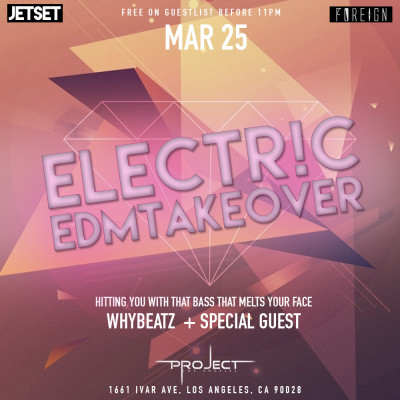
Cheers to the freakin’ weekend! Let’s go big at #ProjectFridays for the #Jetset EDM Takeover! #projectclubla VIP: 201.452.8163 | vip@projectclubla.com
We’re getting down tonight with #CableMonkeys you won’t want to miss out on this special #ProjectOnSaturdays #projectclubla VIP: 201.452.8163 | vip@projectclubla.com
Let’s keep the party going tonight for @mondaysocial with Martin Roth, Davi, & Ray Kash #projectclubla VIP: 201.453.8163 | vip@projectclubla.com
Waiting for the #weekend like….☕️ #projectclubla
We are kicking off the #weekend right tonight for #ProjectFridays , see you on the dance floor! VIP: 201.452.8163 | vip@projectclubla.com
The stars align tonight at the Sol Selecta’s Showcase Ft. @Nadastrom @djsabonyc and @saandmusic #MondaySocial VIP: 201.452.8163 | vip@projectclubla.com
A little #tbt of the beautiful #jenniferlawrence at the #oscars ❤️ can’t wait to see this year’s fashion! #projectclubla
#goals we love the new #rihanna & #drake music video for #work #projectclubla
Getting a little workout in before @mondaysocial tonight! #MNS #projectclubla
The legendary space Miami resident @cocodrills are spinnin tonight at @mondaysocial we’ll see you there #projectclubla VIP: 201.452.8163 | vip@projectclubla.com
Let’s #knockout this day! #happytuesday #adrianalima #projectclubla
Is it the #weekend yet?! We’re ready to open our doors for you again #projectclubla
It’s going down tonight at #ProjectOnSaturdays with @mikey_danger and @brandenking_ we’re going big! VIP: 301.452.8163 | vip@projectclubla.com
It is about to be a good night tonight here at #projectclubla for #ProjectFridays see you there! VIP: 201.452.8163 | vip@projectclubla.com
We are so excited for @krewella to take the stage tomorrow for Yasmine’s birthday party! If you haven’t already got your tickets, link in the bio
Why settle for just a glass when you can go the full bottle? #nationaldrinkwineday #projectclubla
Tonight the ladies of @krewella are taking over #projectclubla for Yasmine’s birthday, All proceeds go to Charity @danceforparalysis , Get your tickets and tables reserved before they sell out! Link in the bio VIP: 201.452.8163 | vip@projectclubla.com
Beyoncé is just so majestic! Who had the best outfit at the Grammys? #projectclubla #grammys #queenb