

Behind the Doors: How Project Club LA Prepares for a Sold-Out Night
A sold-out night at Project Club LA begins long before the first bassline reaches the dance floor. Staff arrive with a shared run sheet, clear roles and an understanding that every guest should feel the energy from the moment they approach the venue.
For an Australian visitor used to a big night out in Sydney, Melbourne or Brisbane, the experience may feel familiar: mates meeting before midnight, checking tickets on a phone and deciding where to go once the crowd builds. The difference is that a Hollywood venue must coordinate that excitement at much greater scale.
Project Club LA’s team balances guest safety, fast entry, artist requirements, VIP service and the atmosphere expected from an EDM nightclub. Their preparation turns a busy event into a smooth, high-impact night rather than a queue that loses momentum.
The approach also reflects the venue’s identity as a destination for dance music fans. Guests can explore Project Club LA events before arriving, check the line-up and make decisions about tickets, tables and celebrations in advance.
| Preparation area | Staff priority | Guest benefit |
|---|---|---|
| Entry and ticketing | Verify access quickly | Less waiting at the door |
| Sound and production | Test equipment and cues | A stronger show from the first track |
| VIP service | Confirm tables and hosts | Personalised attention |
| Crowd operations | Monitor movement and capacity | A safer, more comfortable floor |
| Artist coordination | Protect schedules and requests | A professional performance |
Reading The Room Before Doors
The preparation starts with a detailed forecast of the crowd. Staff review ticket sales, guest-list numbers, VIP bookings, birthday groups and the expected arrival time for the headline DJ. A sold-out event is rarely full from the opening minute, so the team plans for waves rather than a single rush.
This is especially useful for international guests. Australians often say they will arrive “later” or meet their mates after dinner, while Los Angeles nightlife can build at different speeds depending on traffic, show times and competing events. The team prepares for early arrivals, last-minute surges and groups who need help finding the right entrance.
Coordinating Entry And Ticketing
At the front of the venue, door staff, security and ticketing personnel work from the same information. They confirm valid tickets, identify guest-list names, explain access rules and direct VIP guests without creating confusion. Clear communication matters when a queue includes birthday parties, first-time visitors and regular club-goers.
Staff also check that the scanning process is ready before doors open. Mobile tickets must load, scanners need to function and any exceptions require a clear escalation path. Visitors from Australia are accustomed to quick EFTPOS and app-based transactions, so a slow or uncertain entry process can affect their first impression.
For teams looking to organise complex digital workflows, a practical planning resource can help shape checklists, task ownership and timed operations. At the venue, those principles become a physical system: every person knows where to stand, what to check and whom to call.
Building The Atmosphere Early
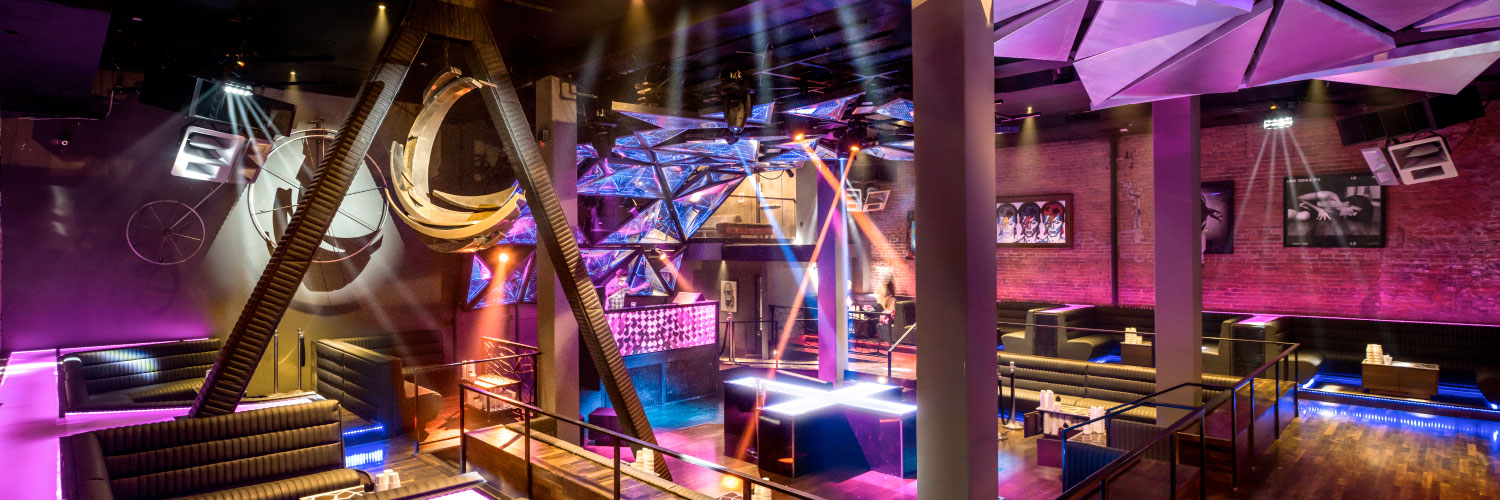
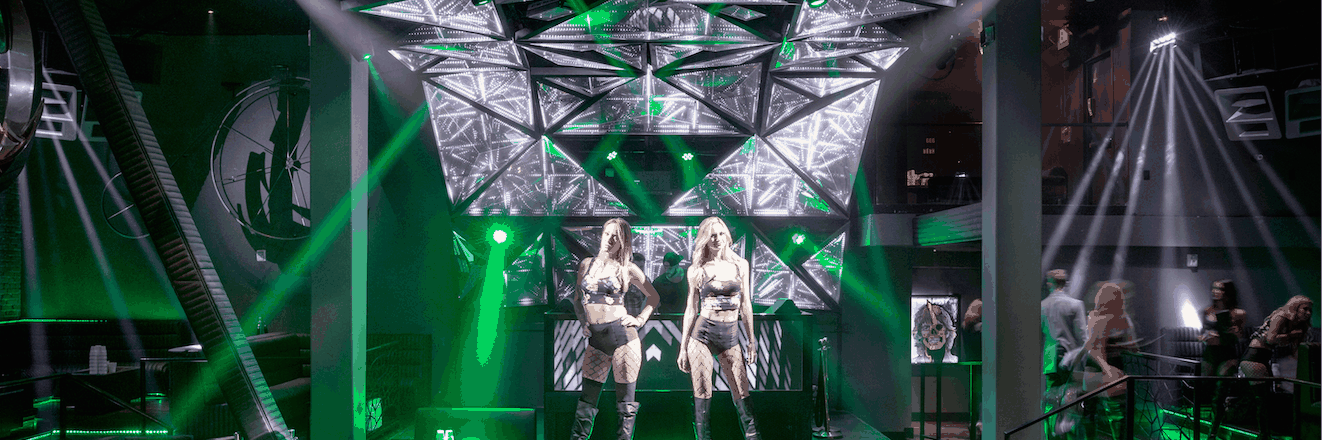
A nightclub’s mood is shaped before the headline act appears. Lighting operators test colour sequences, screens are checked for visual content and the sound team confirms that the system delivers clean low-end without overwhelming the room. DJs and performers also need a reliable changeover plan.
The floor team watches how guests use the space as it fills. They identify bottlenecks near bars, stairways and entry points, then adjust positions before those areas become crowded. That quiet observation helps preserve the sense of freedom Australians might associate with a relaxed night at a Melbourne warehouse event, while maintaining a controlled Hollywood production.
Supporting VIP Tables And Celebrations
VIP preparation begins with a review of reservations. Hosts confirm table locations, guest numbers, arrival windows, bottle service details and birthday notes. This allows the team to welcome groups personally instead of searching through messages while the room is at capacity.
A celebration may involve several moving parts: a reserved table, a presentation moment, photography and friends arriving at different times. Staff coordinate these details discreetly so the group receives attention without interrupting the dance floor. Guests can also browse VIP birthday options while planning a bigger night out.
Managing Artists And Production
Artist liaison staff keep the DJ or performer informed about arrival times, soundcheck requirements, set length and stage access. A sold-out crowd creates pressure to keep the schedule moving, so even small delays can affect the entire programme.
Back-of-house teams prepare dressing rooms, equipment connections and security routes. They also protect the performer’s focus once the venue becomes busy. The aim is simple: the artist should step into a ready environment, while guests experience a continuous flow of music and entertainment.
Keeping Service Sharp Through The Rush
Once the room is full, supervisors circulate across the venue rather than remaining at a desk. They monitor bar queues, check that staff have supplies and respond quickly to issues involving lost phones, seating, access or guest wellbeing. A calm response can prevent a minor problem from spreading through a crowded room.
The service style must remain friendly without becoming vague. In Australian terms, guests want staff who are approachable and “fair dinkum”, but a major Los Angeles venue also needs firm boundaries around capacity, identification and responsible service. Clear explanations help staff enforce those rules without damaging the atmosphere.
Details Staff Check During Peak Hours
- Bar stock, ice and glassware remain available
- Radios and phones stay charged for team communication
- Guest pathways remain clear around busy areas
- Security and floor supervisors share updates
- VIP hosts can reach managers quickly
Capturing The Night Without Disrupting It
Photo and video teams prepare around the event schedule, selecting locations with strong lighting and enough room for guests to move. They look for dance-floor energy, DJ moments, birthday celebrations and the visual details that make the venue memorable.
The content plan supports future promotion while respecting the people enjoying the night. Staff may guide guests towards a photo opportunity, but they avoid turning every moment into a staged production. Visitors interested in the venue’s visual side can see examples in Instagrammable club moments.
What Happens Before Staff Clock Off
- Supervisors record incidents and successful adjustments
- Promoters compare attendance with forecasts
- Managers review entry, bar and VIP performance
- Production teams note equipment or timing issues
- Lost property is logged for follow-up
Resetting For The Next Event
The work continues after the final track. Staff help guests leave safely, close out VIP accounts, secure equipment and restore the venue. Managers then gather feedback while details are fresh, including where queues formed, which music cues worked and when extra support was needed.
That debrief gives the next event a stronger starting point. For a recurring EDM programme, small refinements can make a noticeable difference: repositioning a queue barrier, changing a staffing pattern or updating instructions for international guests.
A sold-out night succeeds when preparation disappears into the experience. Explore upcoming events at Project Club LA, secure your tickets early and plan your night before the crowd arrives.
Mondays are the new Saturday! Join us tonight for a very special @mondaysocial ft Dj Dan b2b Andy Caldwell VIP: 201.452.8163 | vip@projectclubla.com
Just woke up like… #daylightsavings #justinbieber #mcm #projectclubla
Cheers to the freakin’ weekend! Let’s go big at #ProjectFridays for the #Jetset EDM Takeover! #projectclubla VIP: 201.452.8163 | vip@projectclubla.com
We’re getting down tonight with #CableMonkeys you won’t want to miss out on this special #ProjectOnSaturdays #projectclubla VIP: 201.452.8163 | vip@projectclubla.com
Let’s keep the party going tonight for @mondaysocial with Martin Roth, Davi, & Ray Kash #projectclubla VIP: 201.453.8163 | vip@projectclubla.com
Waiting for the #weekend like….☕️ #projectclubla
We are kicking off the #weekend right tonight for #ProjectFridays , see you on the dance floor! VIP: 201.452.8163 | vip@projectclubla.com
The stars align tonight at the Sol Selecta’s Showcase Ft. @Nadastrom @djsabonyc and @saandmusic #MondaySocial VIP: 201.452.8163 | vip@projectclubla.com
A little #tbt of the beautiful #jenniferlawrence at the #oscars ❤️ can’t wait to see this year’s fashion! #projectclubla
#goals we love the new #rihanna & #drake music video for #work #projectclubla
Getting a little workout in before @mondaysocial tonight! #MNS #projectclubla
The legendary space Miami resident @cocodrills are spinnin tonight at @mondaysocial we’ll see you there #projectclubla VIP: 201.452.8163 | vip@projectclubla.com
Let’s #knockout this day! #happytuesday #adrianalima #projectclubla
Is it the #weekend yet?! We’re ready to open our doors for you again #projectclubla
It’s going down tonight at #ProjectOnSaturdays with @mikey_danger and @brandenking_ we’re going big! VIP: 301.452.8163 | vip@projectclubla.com
It is about to be a good night tonight here at #projectclubla for #ProjectFridays see you there! VIP: 201.452.8163 | vip@projectclubla.com
We are so excited for @krewella to take the stage tomorrow for Yasmine’s birthday party! If you haven’t already got your tickets, link in the bio
Why settle for just a glass when you can go the full bottle? #nationaldrinkwineday #projectclubla
Tonight the ladies of @krewella are taking over #projectclubla for Yasmine’s birthday, All proceeds go to Charity @danceforparalysis , Get your tickets and tables reserved before they sell out! Link in the bio VIP: 201.452.8163 | vip@projectclubla.com
Beyoncé is just so majestic! Who had the best outfit at the Grammys? #projectclubla #grammys #queenb