
How Project Club LA's Photo Galleries Capture the Night's Energy
A visit to Project Club LA reveals what its regulars already know — every weekend inside is built to be remembered, then forgotten by sunrise. The venue's image archive rescues those hours, turning Saturday's laser storm, Tuesday's surprise showcase, and Friday's resident takeover into a living diary anyone can scroll.
Nightlife photography has moved well past the velvet-roped glamour shots of the early 2000s. Today's platforms demand momentum, narrative, and a sense of place that feels current the second a viewer lands on the page. Project Club LA treats every uploaded album as a small documentary, sequencing arrival, peak-time, sunrise afters, and the quieter backstage beats between sets.
For Aussies booking a long-haul run to LA, this matters more than any glossy flyer. With Sydney's lockout memories still shaping after-hours opinions and Melbourne's dance floors packed through winter, clubbers from Naarm and the Harbour City scout far-flung venues through photos long before they hand over a passport. The galleries let the room speak before a single flight is booked.
What follows is a closer read of how the venue collects, edits, and shares those frames, and why visitors from Fortitude Valley to Fremantle keep returning to the same photo albums for inspiration and route planning.
A visual diary that begins before you land
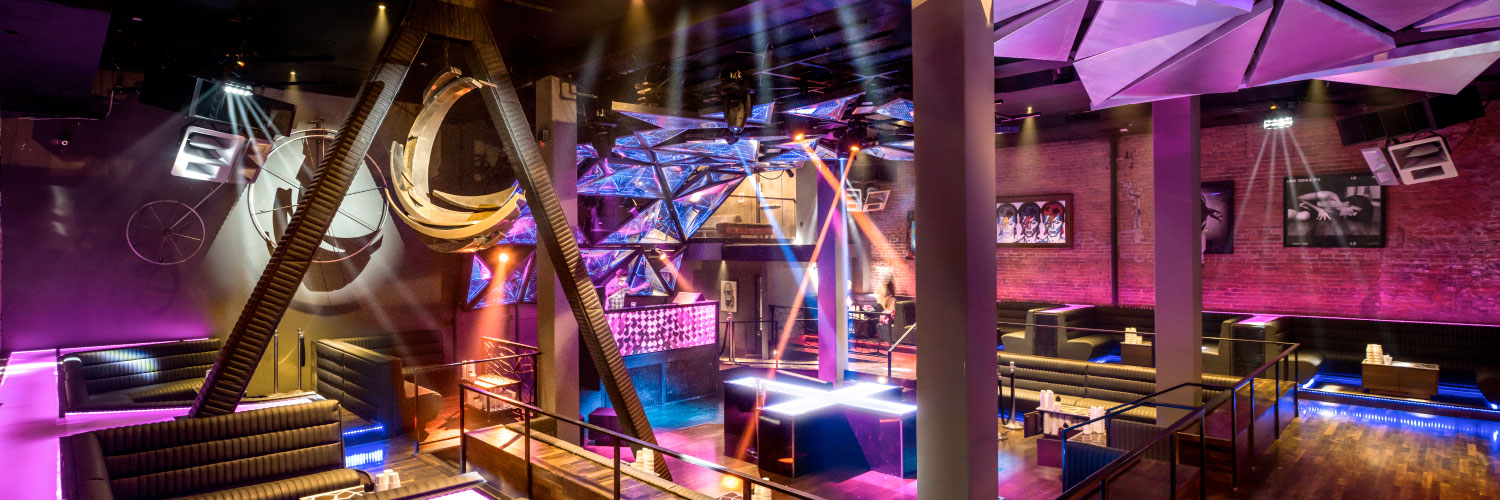
The galleries function almost like a travel agent for your night. Album thumbnails reveal line-up announcements, stage designs, and crowd density weeks ahead of any headline event, so booking decisions feel grounded rather than guessed. A recent set often answers the questions a clubber would otherwise DM the promoter about — which DJ runs the resident decks, what the door policy enforces, and how heavy the lasers go on a Tuesday versus a Saturday.
Brisbane-bound weekend crews in particular tend to study the gallery before locking in plans, since flights into LAX followed by an Uber to Hollywood feel less of a gamble when you can already see the room.
How the frames are built
Capture style varies depending on what the photographer wants you to feel, and the table below maps the approaches used across recent uploads.
| Capture Style | Mood | Resolution | Best Paired With |
|---|---|---|---|
| Mid-set floor shots | High-energy | 4K stills | Pre-event hype reels |
| Booth crowd POV | Intimate | 1080p | Booking decisions |
| Laser tunnel sequences | Cinematic | 4K HDR | Memory-keeping |
| Behind-the-scenes frames | Documentary | 1080p | Fan engagement |
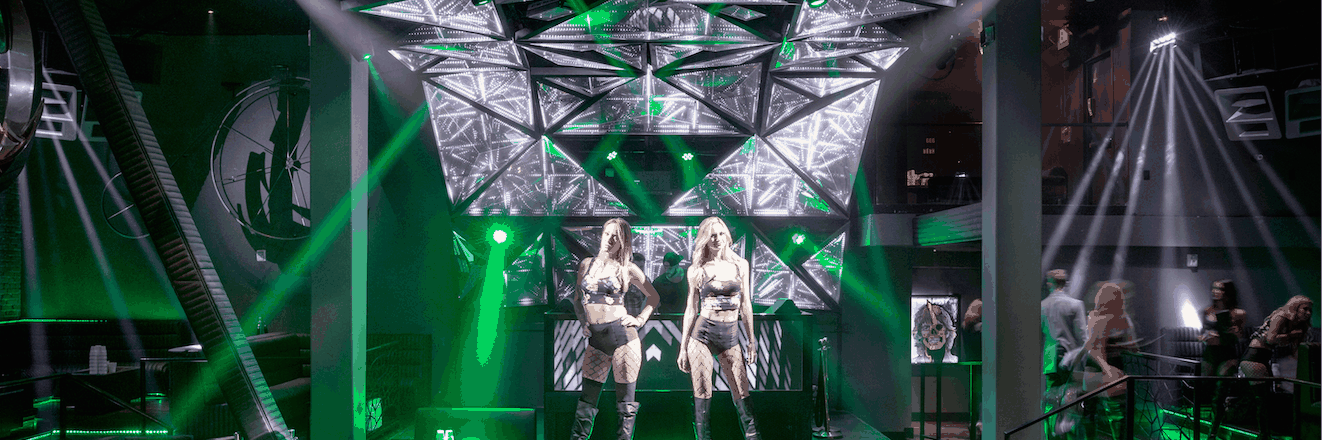
Floor shots lean on wide angles and fast primes to catch mid-air silhouettes and confetti bursts. Booth perspective work lingers on faces and glitter-bearded smiles, often with the DJ in soft focus behind. The room's darker moments read best through long exposures, while laser tunnel sequences rely on multi-frame HDR to hold detail across highlights and shadows at once.
A closer look at how the laser and lighting rigs themselves are designed sits inside the piece on immersive light show design, which pairs naturally with the brightest images in the archive.
What Aussie clubbers notice first
Locals from Sydney, Melbourne, Perth, and Adelaide tend to gravitate toward a handful of recurring details. The confetti colour palette, DJ booth branding, LED wall content during breaks, and the ratio of crowd selfies versus live performance are the four metrics a sharp-eyed Aussie reader checks before committing to a trip.
There's also the unspoken test of whether the room feels crammed enough. Australian dancefloors — from the cavernous heart of Melbourne's inner-city warehouse circuit to the harbour-edge shows around Sydney — usually run tightly packed, so a photo showing generous elbow room reads as off-brand. Project Club LA's editors clearly know this, rarely selecting frames where the floor looks sparse.
Fans scrolling through galleries in pre-dawn Sydney hours sometimes cross-reference the venues with side reading. Some even wander into off-topic corners such as this rundown of horror film streaming picks to burn off post-set adrenaline with something louder.
Timing the album drop
Album cadence follows the calendar with surprising discipline. Headline sets publish same-night or next-morning, resident nights drop midweek, and special showcases get a delayed curated roll-out once the highlight reel is edited. Knowing this rhythm lets a viewer plan exactly when to refresh the page.
For travellers flying seventeen hours from Sydney or fourteen from Perth, the publication timing doubles as a packing cue. The guide on timing your club arrival walks through the slot-by-slot strategy, showing how the venue's own image archives line up with queue length, soundcheck windows, and the front-row sweet spot.
Watch the gallery, then walk through the doors
The clearest takeaway is that the photo galleries work best as a planning layer rather than a souvenir layer. Browse early, browse often, and use the images as a real-world preview of what the night will ask of your outfit, your group, and your energy levels.
Quick reference for reading the galleries with intention:
- Check the DJ booth framing first to confirm the resident roster and stage layout
- Compare booth crowd images against your own party size to gauge how packed the floor runs
- Look at laser tunnel frames to anticipate room brightness during peak hour
- Scroll to behind-the-scenes albums to spot staff, security, and the VIP section shape
- Note the colour grade: cooler edits usually mean harder techno, warmer edits mean hip-hop or open-format nights
- Save mid-week uploads as a cue for upcoming resident-line drops
After an album binge, the natural next step is to lock the date. Tickets, VIP booth enquiries, and guest-list sign-up all live on the official homepage, which mirrors the gallery rhythm and pushes fresh content straight from the floor to your inbox.
Mondays are the new Saturday! Join us tonight for a very special @mondaysocial ft Dj Dan b2b Andy Caldwell VIP: 201.452.8163 | vip@projectclubla.com
Just woke up like… #daylightsavings #justinbieber #mcm #projectclubla
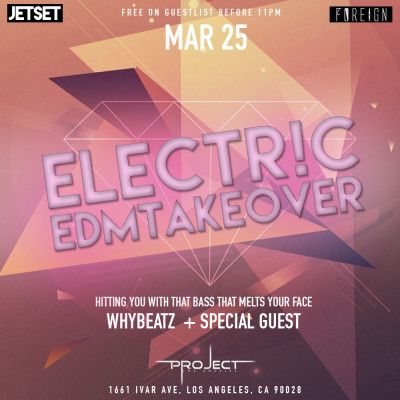
Cheers to the freakin’ weekend! Let’s go big at #ProjectFridays for the #Jetset EDM Takeover! #projectclubla VIP: 201.452.8163 | vip@projectclubla.com
We’re getting down tonight with #CableMonkeys you won’t want to miss out on this special #ProjectOnSaturdays #projectclubla VIP: 201.452.8163 | vip@projectclubla.com
Let’s keep the party going tonight for @mondaysocial with Martin Roth, Davi, & Ray Kash #projectclubla VIP: 201.453.8163 | vip@projectclubla.com
Waiting for the #weekend like….☕️ #projectclubla
We are kicking off the #weekend right tonight for #ProjectFridays , see you on the dance floor! VIP: 201.452.8163 | vip@projectclubla.com
The stars align tonight at the Sol Selecta’s Showcase Ft. @Nadastrom @djsabonyc and @saandmusic #MondaySocial VIP: 201.452.8163 | vip@projectclubla.com
A little #tbt of the beautiful #jenniferlawrence at the #oscars ❤️ can’t wait to see this year’s fashion! #projectclubla
#goals we love the new #rihanna & #drake music video for #work #projectclubla
Getting a little workout in before @mondaysocial tonight! #MNS #projectclubla
The legendary space Miami resident @cocodrills are spinnin tonight at @mondaysocial we’ll see you there #projectclubla VIP: 201.452.8163 | vip@projectclubla.com
Let’s #knockout this day! #happytuesday #adrianalima #projectclubla
Is it the #weekend yet?! We’re ready to open our doors for you again #projectclubla
It’s going down tonight at #ProjectOnSaturdays with @mikey_danger and @brandenking_ we’re going big! VIP: 301.452.8163 | vip@projectclubla.com
It is about to be a good night tonight here at #projectclubla for #ProjectFridays see you there! VIP: 201.452.8163 | vip@projectclubla.com
We are so excited for @krewella to take the stage tomorrow for Yasmine’s birthday party! If you haven’t already got your tickets, link in the bio
Why settle for just a glass when you can go the full bottle? #nationaldrinkwineday #projectclubla
Tonight the ladies of @krewella are taking over #projectclubla for Yasmine’s birthday, All proceeds go to Charity @danceforparalysis , Get your tickets and tables reserved before they sell out! Link in the bio VIP: 201.452.8163 | vip@projectclubla.com
Beyoncé is just so majestic! Who had the best outfit at the Grammys? #projectclubla #grammys #queenb