
How Project Club LA creates a safe space for LGBTQ+ nightlife
Safe LGBTQ+ nightlife depends on more than bright lights and loud music. It requires visible care, clear expectations and a team that knows how to respond when someone feels targeted, uncomfortable or overwhelmed. A dance floor becomes welcoming when guests can enjoy themselves without policing anyone’s identity, appearance or self-expression.
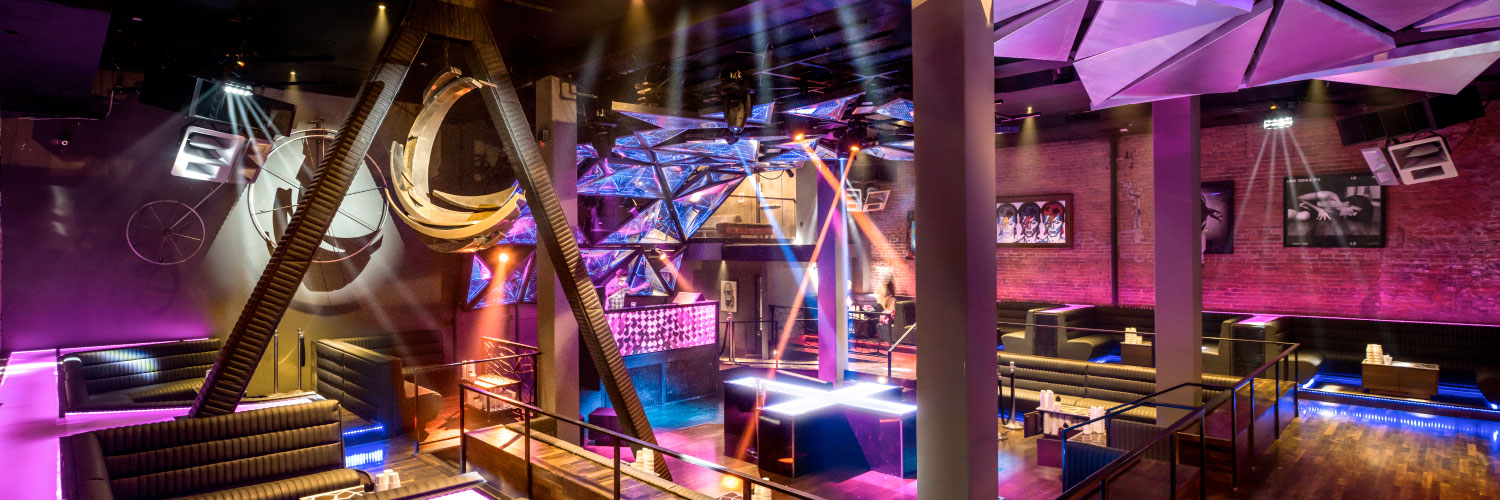
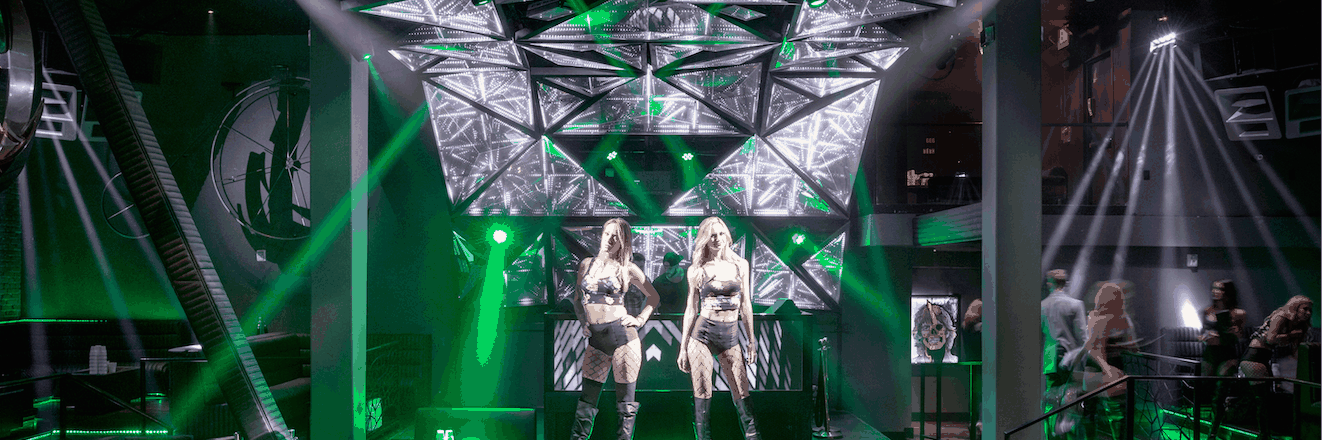
Project Club LA brings recurring EDM events, guest DJs and special performances into a Hollywood setting built for shared celebration. The strongest safe-space approach combines an inclusive atmosphere with practical preparation: know the code before entry, make support easy to find and treat every guest with dignity from the queue to the final song.
Welcome that starts at the door
A safe-space approach starts at the queue, doorway and first interaction with staff. Clear arrival information, respectful language and visible team members help guests trust that support remains available after the dance floor gets busy. Inclusive signage also signals that queer and trans guests belong without requiring them to explain themselves.
House standards should be specific about harassment, slurs, unwanted touching and deliberate disruption. Guests also need a simple way to alert staff without announcing a private matter in front of a crowd. A designated meeting point, attentive floor staff and prompt de-escalation turn good intentions into practical protection.
Practical safeguards for guests and staff
Safety becomes credible when expectations, training and follow-through match.
- A concise code explains unacceptable conduct and reporting routes.
- Staff training covers de-escalation, consent and LGBTQ+ inclusion.
- A discreet assistance option lets guests alert staff privately.
- Step-free access and clearly marked facilities support a wider range of guests.
- Response plans cover intoxication, injury, lost property and wellbeing concerns.
These measures should appear in pre-event information and remain clear to staff on every shift. Employees need to know who handles reports, who coordinates emergency help and how to document recurring incidents. That structure reduces dependence on guests to manage danger themselves while preserving privacy.
Music and identity without exclusion
EDM and dance music often bring people together across differences in age, body type, gender and sexual orientation. Project Club LA can preserve that energy by treating LGBTQ+ identity as part of the venue’s culture rather than a themed addition. Guest DJs, dancers and photographers should understand the conduct standards too.
No single look, partner status or level of disability defines belonging. Consent applies to dancing, photography and conversations, while sober guests deserve the same comfort and visibility. When the room welcomes fashion, expression and rest breaks alongside high-energy movement, more people can participate on their own terms.
Planning birthdays and group nights
Birthdays, VIP tables and group nights are easiest to manage when the celebration is planned before the club fills. Guests can check current event listings for the date, performer, ticket options and venue updates, then reserve the right arrival window for their group.
- Tickets are purchased after checking age and identification rules.
- VIP tables are reserved before fixing the group’s arrival time.
- Booking staff receive celebration, access and dietary details.
- The group agrees on transport, a meeting point and a contact person.
- Guests confirm dress expectations, entry timing and storage options.
On the night, keep phones charged, keep water within reach and avoid overconsuming alcohol. Booking staff can explain table service and venue requirements so the host is not left decoding rules while trying to greet guests. A clear plan also makes it easier for friends with different budgets or accessibility needs to join the celebration.
Australian cues for a Hollywood visit
Australians who visit Sydney’s Gay and Lesbian Mardi Gras or Melbourne’s Midsumma already understand the value of queer celebration spaces. Those events, with their strong community networks and inclusive nightlife culture, offer a useful comparison: belonging works best when it continues from event publicity into door policy, staff behaviour and the room itself.
One important difference is age. Australians may drink legally from 18, but California’s legal drinking age is 21, and a nightclub can set stricter entry requirements. Check each event’s policy before buying tickets; being of age to purchase alcohol elsewhere does not guarantee admission or service in Los Angeles.
Night travel also needs different planning. Sydney and Melbourne travellers often rely on trains, trams, taxis or rideshares, but Los Angeles has a different transport network and can be congested late at night. Arrange a sober driver, licensed taxi or rideshare, share the destination and avoid leaving with someone impaired.
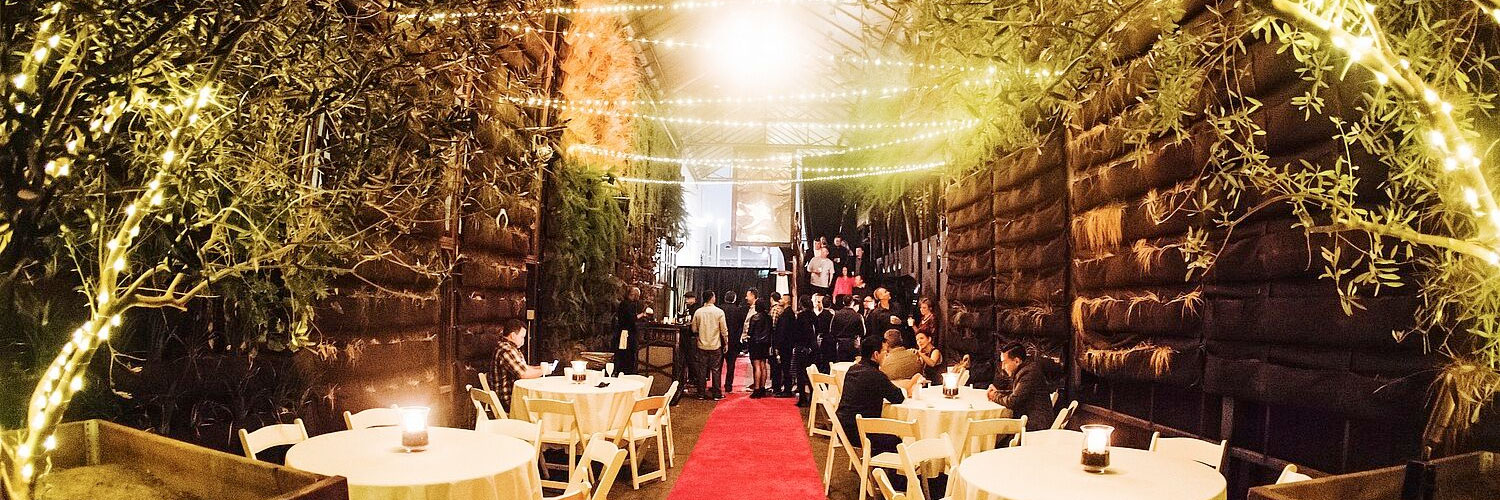
Neighbourhood choice affects arrival and dispersal. Although this location planning overview focuses on wedding receptions, its attention to access and nearby amenities illustrates a useful principle for any event venue. Australian visitors should also budget in US dollars, check card charges and remember that tipping at bars and tables is customary in the United States.
Make your next night out welcoming
Choose a published event on the official site, purchase tickets or reserve a VIP table, and add birthday or accessibility details when booking. If plans are still developing, join the mailing list for event announcements, photo galleries, videos and invitations to special performances.
Arrive together, check in calmly and let staff handle any concern. A safer LGBTQ+ night is built through shared responsibility: dancers look out for one another, photographers seek consent and venue staff remain approachable. Book Project Club LA for the next celebration and bring your best dancing shoes.
Mondays are the new Saturday! Join us tonight for a very special @mondaysocial ft Dj Dan b2b Andy Caldwell VIP: 201.452.8163 | vip@projectclubla.com
Just woke up like… #daylightsavings #justinbieber #mcm #projectclubla
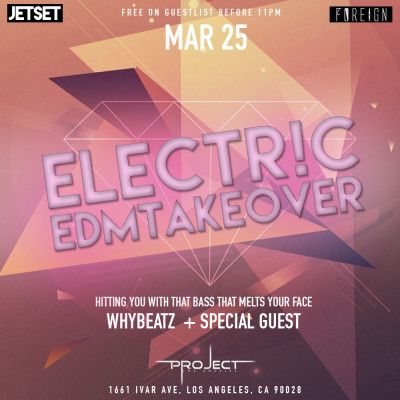
Cheers to the freakin’ weekend! Let’s go big at #ProjectFridays for the #Jetset EDM Takeover! #projectclubla VIP: 201.452.8163 | vip@projectclubla.com
We’re getting down tonight with #CableMonkeys you won’t want to miss out on this special #ProjectOnSaturdays #projectclubla VIP: 201.452.8163 | vip@projectclubla.com
Let’s keep the party going tonight for @mondaysocial with Martin Roth, Davi, & Ray Kash #projectclubla VIP: 201.453.8163 | vip@projectclubla.com
Waiting for the #weekend like….☕️ #projectclubla
We are kicking off the #weekend right tonight for #ProjectFridays , see you on the dance floor! VIP: 201.452.8163 | vip@projectclubla.com
The stars align tonight at the Sol Selecta’s Showcase Ft. @Nadastrom @djsabonyc and @saandmusic #MondaySocial VIP: 201.452.8163 | vip@projectclubla.com
A little #tbt of the beautiful #jenniferlawrence at the #oscars ❤️ can’t wait to see this year’s fashion! #projectclubla
#goals we love the new #rihanna & #drake music video for #work #projectclubla
Getting a little workout in before @mondaysocial tonight! #MNS #projectclubla
The legendary space Miami resident @cocodrills are spinnin tonight at @mondaysocial we’ll see you there #projectclubla VIP: 201.452.8163 | vip@projectclubla.com
Let’s #knockout this day! #happytuesday #adrianalima #projectclubla
Is it the #weekend yet?! We’re ready to open our doors for you again #projectclubla
It’s going down tonight at #ProjectOnSaturdays with @mikey_danger and @brandenking_ we’re going big! VIP: 301.452.8163 | vip@projectclubla.com
It is about to be a good night tonight here at #projectclubla for #ProjectFridays see you there! VIP: 201.452.8163 | vip@projectclubla.com
We are so excited for @krewella to take the stage tomorrow for Yasmine’s birthday party! If you haven’t already got your tickets, link in the bio
Why settle for just a glass when you can go the full bottle? #nationaldrinkwineday #projectclubla
Tonight the ladies of @krewella are taking over #projectclubla for Yasmine’s birthday, All proceeds go to Charity @danceforparalysis , Get your tickets and tables reserved before they sell out! Link in the bio VIP: 201.452.8163 | vip@projectclubla.com
Beyoncé is just so majestic! Who had the best outfit at the Grammys? #projectclubla #grammys #queenb