
How Project Club LA’s lighting designer sets the mood
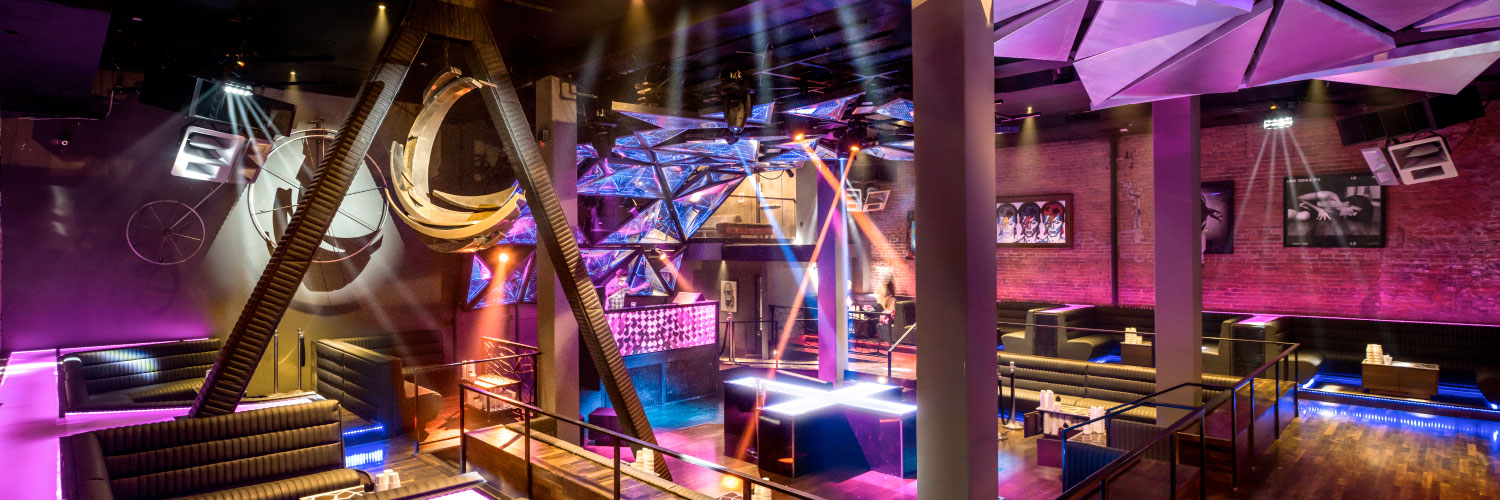
Great club lighting does more than improve photographs. It tells guests when a night is beginning, signals a change in tempo and turns a crowded Hollywood room into a shared event. At Project Club LA, every cue helps the dance floor feel immediate, cinematic and alive.
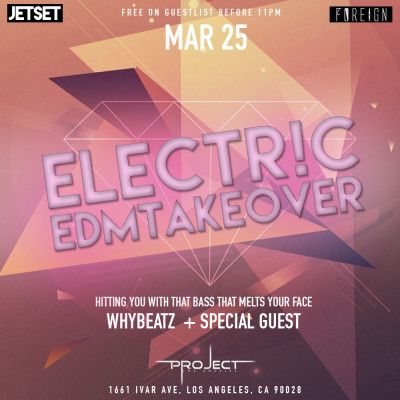
Project Club LA’s event listings showcase the EDM and dance sets, guest DJs and special performances that shape this atmosphere. From the first entrance to the final drop, the visual design works with the music rather than competing against it.
Sound and light as one cue
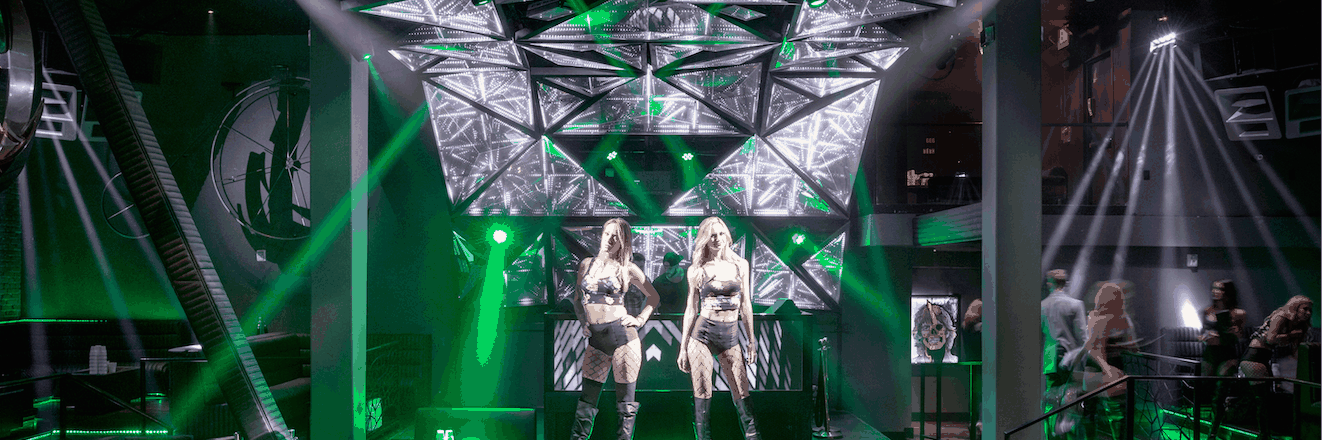
Before doors open, the lighting designer translates the musical brief into a sequence of looks. Warm washes welcome arrivals, focused beams define the DJ booth and broader colour changes prepare the crowd for a new section of the set.
Technical checks are equally important. A venue rehearsal checklist highlights the value of testing equipment, sightlines and timing before opening; at a busy nightclub, discovering a problem after guests arrive is too late.
Layers that transform the floor
The room is treated in layers: ceiling movement, side washes, floor colour, haze and brief bursts from strobes or blinders. Each layer has a job, so a transition can feel spatial rather than like one flashing effect repeated.
The same logic appears in cinema atmosphere and lighting: illumination guides attention and shapes emotion. At Project Club LA, a darker break can create anticipation, while a wide reveal makes a packed room appear larger and more charged.
Australian nightlife, translated for LA
Australian guests bring useful references from cities where nightlife has distinct personalities. Sydney’s after-work crowds, Melbourne’s laneway venues and Brisbane’s warm-weather queues all influence what they expect from an evening out.
Recognising those habits helps explain how a Hollywood dance floor can feel both exciting and slightly surprising:
- Sydney: pre-dinner drinks near the harbour often become a late finish, making club schedules feel earlier by comparison.
- Melbourne: laneway bars and café-to-dance transitions create an expectation of intimate, design-led rooms.
- Brisbane: warm evenings can bring outdoor queues, making the shift into a cool, darkened interior especially dramatic.
- Perth: distance and accommodation planning matter, and daylight saving can make late-night schedules feel less familiar.
- The Australian pub custom of buying a round, often called a shout, can shape group birthday plans before the dancing begins.
- The local market is familiar with AUD ticketing through platforms such as Eventbrite, Ticketek and direct venue sales.
Moments designed to feel different
Celebrations require a careful balance between personal recognition and shared spectacle. The club’s birthday party packages can organise the table, food and timing while lighting keeps the birthday guest connected to the room.
Rather than overpowering the music, accent lighting can mark arrival, reserved seating and the chosen celebration song. The result should feel personal without making other guests feel excluded.
- Entrance cues: a brief, focused welcome gives the group a ceremonial arrival.
- Table accents: restrained colour identifies the reserved space without flattening the main floor.
- Song moments: a timed lift connects the birthday tribute to the DJ set.
- Photo windows: a composed look creates a shareable frame without ruining the beat.
- Finale cues: full-room energy confirms that the celebration belongs to the whole club.
The drama of a surprise arrival
Surprise sets sharpen the lighting designer’s role. The club’s surprise guest DJ stories show how an unannounced name can become a narrative, and the room must look different before the audience knows who has arrived.
A blackout, then a concentrated beam and a coordinated colour change can make the reveal feel huge. Once the drop lands, the lighting can expand into the full production, turning surprise into shared release.
Planning details that protect the atmosphere
Good atmosphere depends on sound clarity as well as visuals. The designer works around speaker positions, crowd density and DJ cues, while haze makes movement visible without overwhelming the stage or affecting visibility.
Before booking, check the official Project Club LA site for door times, age rules, table arrangements and accessibility notes. Australian visitors should also allow time for transfers between Hollywood venues, rideshare pickup points and late-night journeys home.
Choose your night and step inside
Choose the event and timing that suit your group, then purchase tickets or reserve a VIP table through the official listings. Birthday organisers can compare packages, while regulars can follow event updates, galleries and mailing-list invitations for future nights.
On the night, arrive together, watch how the room establishes its first mood and stay for the changes in scale. Your place in the experience starts before the first beat: select the date, secure the booking and let the lighting lead.
Mondays are the new Saturday! Join us tonight for a very special @mondaysocial ft Dj Dan b2b Andy Caldwell VIP: 201.452.8163 | vip@projectclubla.com
Just woke up like… #daylightsavings #justinbieber #mcm #projectclubla
Cheers to the freakin’ weekend! Let’s go big at #ProjectFridays for the #Jetset EDM Takeover! #projectclubla VIP: 201.452.8163 | vip@projectclubla.com
We’re getting down tonight with #CableMonkeys you won’t want to miss out on this special #ProjectOnSaturdays #projectclubla VIP: 201.452.8163 | vip@projectclubla.com
Let’s keep the party going tonight for @mondaysocial with Martin Roth, Davi, & Ray Kash #projectclubla VIP: 201.453.8163 | vip@projectclubla.com
Waiting for the #weekend like….☕️ #projectclubla
We are kicking off the #weekend right tonight for #ProjectFridays , see you on the dance floor! VIP: 201.452.8163 | vip@projectclubla.com
The stars align tonight at the Sol Selecta’s Showcase Ft. @Nadastrom @djsabonyc and @saandmusic #MondaySocial VIP: 201.452.8163 | vip@projectclubla.com
A little #tbt of the beautiful #jenniferlawrence at the #oscars ❤️ can’t wait to see this year’s fashion! #projectclubla
#goals we love the new #rihanna & #drake music video for #work #projectclubla
Getting a little workout in before @mondaysocial tonight! #MNS #projectclubla
The legendary space Miami resident @cocodrills are spinnin tonight at @mondaysocial we’ll see you there #projectclubla VIP: 201.452.8163 | vip@projectclubla.com
Let’s #knockout this day! #happytuesday #adrianalima #projectclubla
Is it the #weekend yet?! We’re ready to open our doors for you again #projectclubla
It’s going down tonight at #ProjectOnSaturdays with @mikey_danger and @brandenking_ we’re going big! VIP: 301.452.8163 | vip@projectclubla.com
It is about to be a good night tonight here at #projectclubla for #ProjectFridays see you there! VIP: 201.452.8163 | vip@projectclubla.com
We are so excited for @krewella to take the stage tomorrow for Yasmine’s birthday party! If you haven’t already got your tickets, link in the bio
Why settle for just a glass when you can go the full bottle? #nationaldrinkwineday #projectclubla
Tonight the ladies of @krewella are taking over #projectclubla for Yasmine’s birthday, All proceeds go to Charity @danceforparalysis , Get your tickets and tables reserved before they sell out! Link in the bio VIP: 201.452.8163 | vip@projectclubla.com
Beyoncé is just so majestic! Who had the best outfit at the Grammys? #projectclubla #grammys #queenb