
How Project Club LA’s lighting design syncs with the music
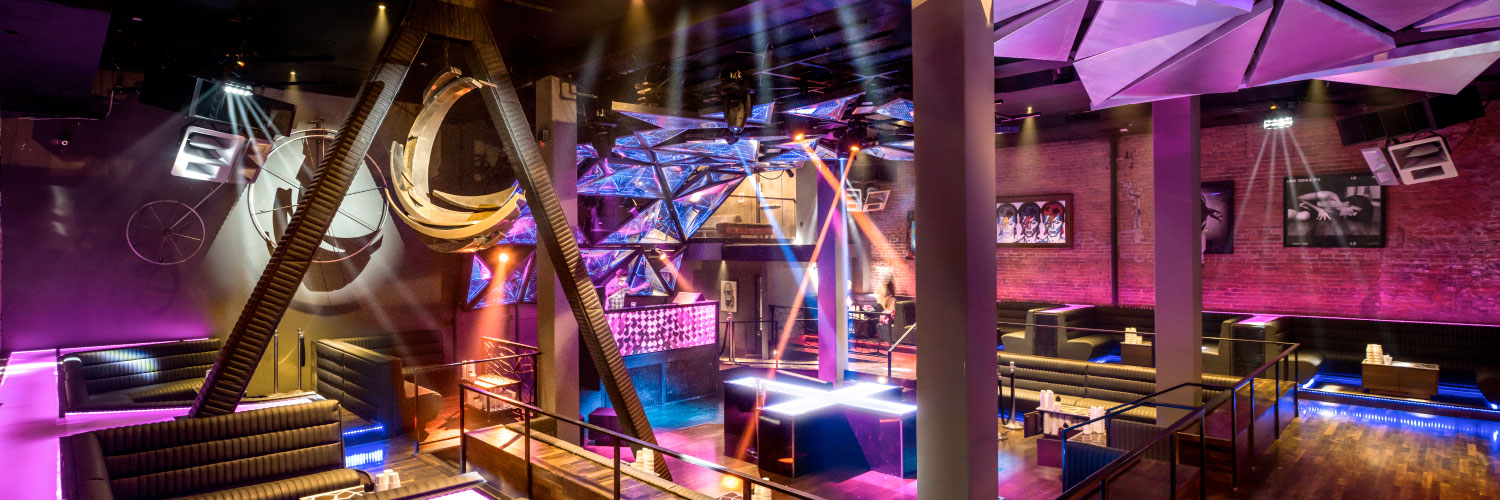
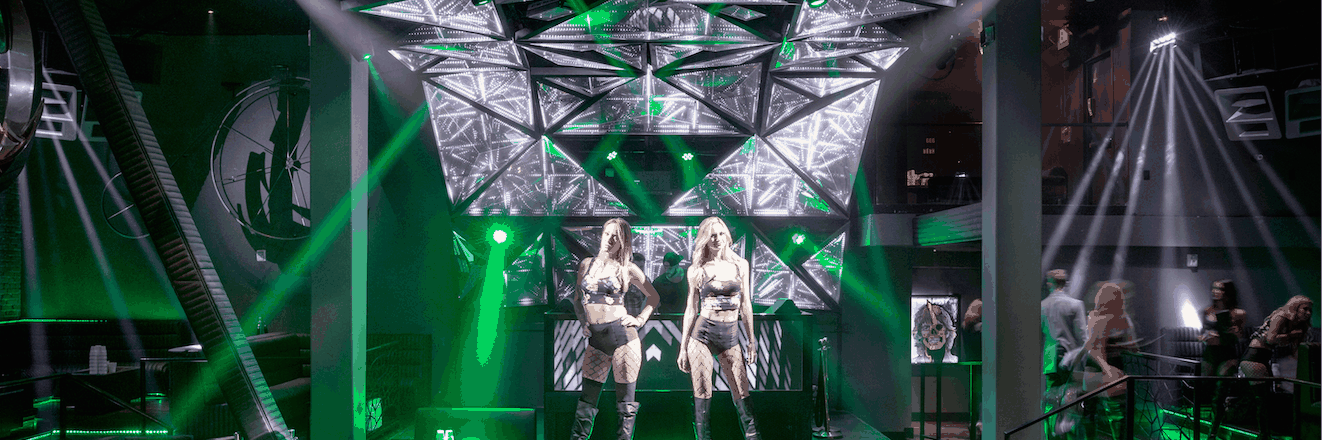
At Project Club LA in Hollywood, lighting is an active part of the dance music, not a static backdrop. As DJs move between house, electro and high-energy EDM, colour, movement and brightness answer the track. A bass line can feel physical, while a drop becomes a room-wide visual event that the crowd recognises instantly.
Syncing light with music turns sound into timing. Lighting scenes can follow the beat, react to frequency ranges, or shift manually when a DJ changes the mood. The strongest combinations are deliberate: they clarify a build, mark a transition and preserve the song’s energy without making the floor feel like a technical demonstration.
Why synchronised light changes the dance floor
Low frequencies naturally suit deep, slow movements, while crisp percussion pairs with quick flashes, sharp beam cuts and tighter colour changes. This gives the room a visual grammar: the audience can sense tension, release and tempo before anyone checks the screen or asks the DJ what is playing.
Light also guides attention. Overhead beams can pull eyes to the booth, wall panels can stretch the room and a brief blackout can make the next entrance feel larger. Haze makes those paths visible, while carefully chosen colours give each style a signature without flattening the personalities of guest performers.
From sound system to lighting rig
A synchronised show begins before the doors open. Sound levels, track structure, cue points and lighting scenes are prepared as a shared sequence, then refined during soundcheck. This prevents every song from receiving the same treatment: a gradual build, melodic break and hard drop each need their own visual pace.
LED washes, moving heads, beams and video surfaces provide the palette, while a lighting desk or audio trigger supplies the timing. A broader production reference such as Quest Point can prompt teams to consider lighting control, power and show reliability as connected parts of the same experience.
Guest DJs bring distinct visual identities
Each guest artist changes the emotional shape of a night. A melodic selector may call for restrained washes and soft transitions, whereas a bass-heavy performer can support sharper movement and more saturated colour. For artists building a profile in Los Angeles, the guest DJ residency guide explains how the club’s booking pathway can help turn regular appearances into a stronger profile.
The lighting should frame the music rather than compete with it. When a familiar track appears, a familiar visual response can reward regulars; when an unfamiliar remix lands, a bolder palette can signal that the set has moved somewhere new. This balance is what keeps a recurring event feeling alive across several hours.
Matching musical cues to visual outcomes
A lighting designer begins by listening for structure. The quiet space around a kick drum, the lift in a synth line, a pause before the chorus and the pressure of a drop all offer different visual opportunities. Treating these moments as a sequence creates coherence even when the DJ changes genre or tempo in real time.
| Musical cue | Lighting response | Effect on the floor |
|---|---|---|
| Sub-bass entrance | Slow, deep beam movement | Makes the low end feel physical |
| Rising synth line | Narrower beams and rising intensity | Directs attention toward the DJ |
| Percussive break | Short, sharp flashes | Adds urgency without changing the song |
| Melodic breakdown | Wide colour wash and slower pans | Creates room to breathe |
| Major drop | Full-room colour and movement | Delivers a shared release |
When a production system changes, each revision should add a defined capability rather than create confusion. The upgrade mechanic explanation can serve as a useful parallel for this idea: a new lighting cue, colour family or timing response should have a clear purpose.
Australian nights and local expectations
Australian club-goers will recognise the appeal. Sydney’s harbour nightlife, Melbourne’s laneway and warehouse tradition, and Brisbane’s expanding electronic scene all reward strong visual identity. The scale can differ, but the shared pleasure is watching a room move together when the sound and light lock into the same pulse.
Local habits also shape expectations. Australian audiences often plan around public holidays, end-of-year parties and late social starts, while licensed venues are associated with ID checks, responsible service and clear drink information. For a long night, a useful bar menu guide helps visitors balance water, cocktails and the stamina needed for extended dancing.
For Australian visitors, Hollywood’s all-night atmosphere can be refreshing, particularly for fans who first saw synchronised dance lighting on the country’s festival circuit. Birthday groups, reserved tables and first-time guests all benefit from a coherent atmosphere, since lighting signals where the DJ is, when the room changes and which moments are designed to be photographed.
A visual checklist for memorable club nights
The final layer is capture. Phone screens and club cameras turn lighting into a record of the night, so repeatable, well-aimed looks become part of the venue’s identity. Lighting also supports the visual flow between sets, with clear focal points during changes and enough contrast for guests to see friends across the room.
Attention to these details helps the production read as one coherent piece. The official Project Club LA site is the place to check recurring events, guest lineups and current details before choosing a date, while these visual signs reveal how closely the room is following the music.
Behind the scenes
- Match the opening track to a restrained wash so the room can reveal itself.
- Identify the first bass drop and build a brighter, faster cue around it.
- Use warm colours for melodic passages and saturated blues, pinks or greens for harder edits.
- Keep camera-friendly lighting active during guest DJ changes and photo moments.
- Check haze, beam angles and strobe timing before doors open.
On the dance floor
- A low-frequency pulse makes floor lights breathe with the kick.
- A sudden change in movement speed signals a shift from breakdown to drop.
- Colour shifts follow the track’s mood rather than changing randomly.
- Beams form lines that guide the crowd toward the DJ.
- A full-room blackout marks a major transition with dramatic effect.
Choose an upcoming Project Club LA event and book tickets for the night you have been waiting for. If you are celebrating a birthday, arranging a VIP table, or simply want the best view of the dance floor, check the latest event information and reserve your place before the room fills.
Join the mailing list for updates on guest DJs, special performances and future parties, then arrive ready to experience the moment when the music and lighting become one.
Mondays are the new Saturday! Join us tonight for a very special @mondaysocial ft Dj Dan b2b Andy Caldwell VIP: 201.452.8163 | vip@projectclubla.com
Just woke up like… #daylightsavings #justinbieber #mcm #projectclubla
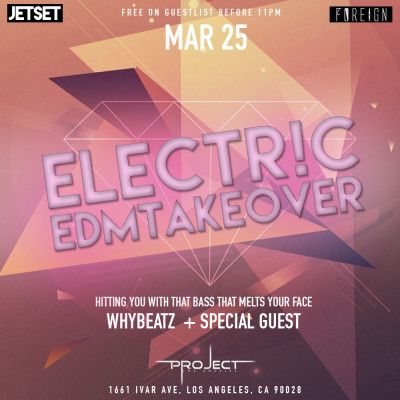
Cheers to the freakin’ weekend! Let’s go big at #ProjectFridays for the #Jetset EDM Takeover! #projectclubla VIP: 201.452.8163 | vip@projectclubla.com
We’re getting down tonight with #CableMonkeys you won’t want to miss out on this special #ProjectOnSaturdays #projectclubla VIP: 201.452.8163 | vip@projectclubla.com
Let’s keep the party going tonight for @mondaysocial with Martin Roth, Davi, & Ray Kash #projectclubla VIP: 201.453.8163 | vip@projectclubla.com
Waiting for the #weekend like….☕️ #projectclubla
We are kicking off the #weekend right tonight for #ProjectFridays , see you on the dance floor! VIP: 201.452.8163 | vip@projectclubla.com
The stars align tonight at the Sol Selecta’s Showcase Ft. @Nadastrom @djsabonyc and @saandmusic #MondaySocial VIP: 201.452.8163 | vip@projectclubla.com
A little #tbt of the beautiful #jenniferlawrence at the #oscars ❤️ can’t wait to see this year’s fashion! #projectclubla
#goals we love the new #rihanna & #drake music video for #work #projectclubla
Getting a little workout in before @mondaysocial tonight! #MNS #projectclubla
The legendary space Miami resident @cocodrills are spinnin tonight at @mondaysocial we’ll see you there #projectclubla VIP: 201.452.8163 | vip@projectclubla.com
Let’s #knockout this day! #happytuesday #adrianalima #projectclubla
Is it the #weekend yet?! We’re ready to open our doors for you again #projectclubla
It’s going down tonight at #ProjectOnSaturdays with @mikey_danger and @brandenking_ we’re going big! VIP: 301.452.8163 | vip@projectclubla.com
It is about to be a good night tonight here at #projectclubla for #ProjectFridays see you there! VIP: 201.452.8163 | vip@projectclubla.com
We are so excited for @krewella to take the stage tomorrow for Yasmine’s birthday party! If you haven’t already got your tickets, link in the bio
Why settle for just a glass when you can go the full bottle? #nationaldrinkwineday #projectclubla
Tonight the ladies of @krewella are taking over #projectclubla for Yasmine’s birthday, All proceeds go to Charity @danceforparalysis , Get your tickets and tables reserved before they sell out! Link in the bio VIP: 201.452.8163 | vip@projectclubla.com
Beyoncé is just so majestic! Who had the best outfit at the Grammys? #projectclubla #grammys #queenb