
How Project Club LA keeps its dance floor safe and welcoming
Electronic music nights feel best when guests can immerse themselves in the music while retaining care and connection. Project Club LA's Hollywood setting combines DJs, dance floors and late-night energy, but the atmosphere depends on thoughtful safety behind the scenes.
Safety at Project Club LA depends on venue staff, security and guests sharing responsibility. Clear conduct expectations, visible support, sensible alcohol choices and respectful behaviour prevent harassment and dangerous conduct.
Australian visitors bring useful habits: they often plan around public transport or a designated driver, check arrival details and monitor alcohol intake. Differences in time zones, ID rules, bottle-shop culture and liquor law still deserve attention.
| Planning point | Project Club LA night | Australian visitor note |
|---|---|---|
| Timing | Check the event date and door time. | Convert Los Angeles time from AEST or AEDT. |
| Entry | Carry photo ID and booking confirmation. | Australia's drinking age is 18; California entry rules apply. |
| Alcohol | Keep water nearby and pace alcohol. | Australian standard drinks and bottle-shop premixes differ from US serves. |
| Return trip | Arrange a taxi, rideshare or sober driver. | Public transport and designated driving are familiar habits in Australia. |
Safety begins before the first beat
Guests create the first layer of safety by planning clearly. Event dates, lineups, tickets and bookings can be checked through Project Club LA, so guests know what to expect before travelling. Share the event time and meeting point with a friend in case the crowd becomes busy.
A light meal before arrival helps, especially for anyone travelling from Sydney or Melbourne after work. Australians accustomed to trains should compare Los Angeles transit, taxi and rideshare options, then preserve enough phone battery for the return journey.
A visible team guests can approach
Visible door and floor teams make problems easier to address. Staff can explain arrival rules calmly, show guests where help is found and act when conduct breaks the club's code. An approachable presence, applied consistently, protects the music while treating guests as people rather than obstacles to service.
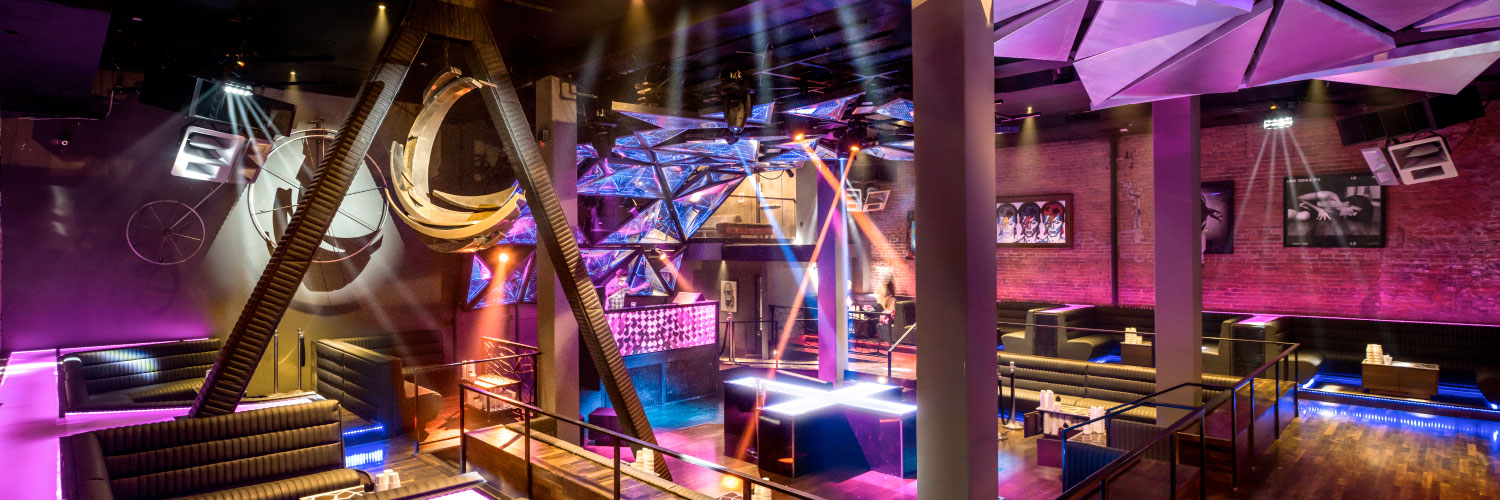
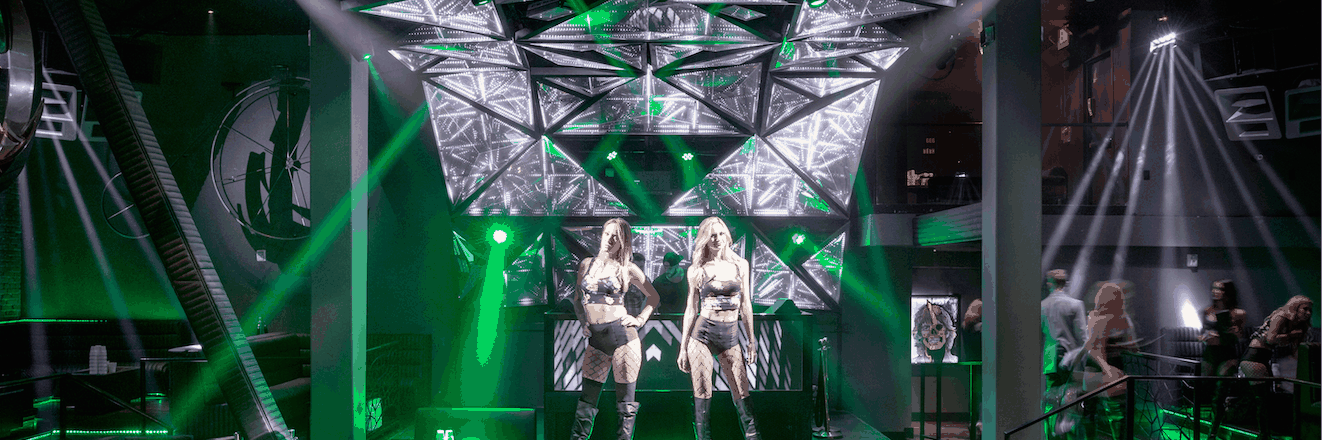
Low lighting can make personal space harder to read in a dense crowd. The discussion of darkness and social interaction reinforces why clear consent, boundaries and attentive staff matter. Lighting should keep exits, faces and help points visible.
Anyone uncomfortable with touching, comments or filming can move toward staff without confrontation. A discreet report gives the team time to act, while a safer exit offers options. Step-free access and disability assistance are part of the same welcome.
Design that supports comfort and inclusion
Good club design balances atmosphere with orientation. Clear routes to exits, visible service points, accessible bathrooms and places to pause help guests regulate energy. Quieter space away from speakers can help neurodivergent guests and early leavers.
Food supports a comfortable evening. Guests can consult the club's guide to nearby dining spots and choose a meal suited to their plans and budget. Melbourne's laneway dining and Sydney's late-night food strips offer familiar comparisons, though Hollywood distances and hours need checking.
Seasonal extremes also matter. Guests arriving from Brisbane may face heat, while Sydney or Melbourne nights can turn cold; water, shade, a coat and an exit route help with outdoor queues. A change in weather can also move an entrance, so check event updates before leaving home.
Alcohol, hydration and harm reduction
Australian bottle-shop culture often features premixed spirits, chilled beer and ready-to-drink cans. High-strength premixes common in Sydney can be served differently in the United States, so guests should judge intake by time, food and how they feel rather than assuming every pour matches an Australian serve.
Water should be easy to reach, and alternating alcohol with it allows recovery between rounds. Staff can slow service, offer food and involve a supervisor when someone appears intoxicated. Asking for help early protects the night.
Liquor regulation differs across borders. Australian venues work under state duties such as NSW's Liquor Act 2007, while California licensing and responsible-service rules govern a Los Angeles club. Refusal of further alcohol should be respectful and paired with a safe route home, without humiliation.
A guest-led checklist for a better night
A good checklist supports the club team rather than replacing it. Use these prompts before leaving and once inside.
Before leaving home
- Read the event listing for door time, entry requirements and special instructions.
- Convert the start time to your Australian time zone.
- Charge your phone and arrange a taxi, rideshare or sober driver.
- Eat something and choose a meeting point for your group.
- Tell someone where you are going and when you expect to return.
The checklist is useful when a night feels busy. Once inside, choose the check-in that feels natural, keep it private and let staff handle specialist concerns.
Once inside
- Locate the exits, water station, bathrooms and nearest staff member.
- Keep your drink in sight; leave it with staff if you step away.
- Ask a sober friend to help pace alcohol and watch for changing behaviour.
- Respect personal space and stop immediately if someone signals discomfort.
- Tell staff about harassment, illness or someone who needs assistance.
Most concerns are easier to handle when raised early. Stay with the venue team, follow staff instructions during an incident and keep emergency access clear. These habits preserve the open atmosphere that makes Project Club LA's dance floor worth enjoying.
Plan a confident night at Project Club LA
Choose an upcoming EDM event, guest-DJ set or special performance, then book tickets or reserve a VIP table for your group. Birthday celebrations can use the same booking process, while event updates, photo galleries and videos help groups match the night to the occasion.
Join the mailing list for lineups, appearances and invitations, and bring someone who values a respectful dance floor. Make a safe return part of the plan and give every guest a night they can enjoy without fear.
Mondays are the new Saturday! Join us tonight for a very special @mondaysocial ft Dj Dan b2b Andy Caldwell VIP: 201.452.8163 | vip@projectclubla.com
Just woke up like… #daylightsavings #justinbieber #mcm #projectclubla
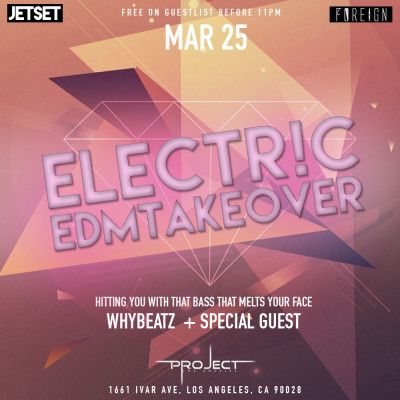
Cheers to the freakin’ weekend! Let’s go big at #ProjectFridays for the #Jetset EDM Takeover! #projectclubla VIP: 201.452.8163 | vip@projectclubla.com
We’re getting down tonight with #CableMonkeys you won’t want to miss out on this special #ProjectOnSaturdays #projectclubla VIP: 201.452.8163 | vip@projectclubla.com
Let’s keep the party going tonight for @mondaysocial with Martin Roth, Davi, & Ray Kash #projectclubla VIP: 201.453.8163 | vip@projectclubla.com
Waiting for the #weekend like….☕️ #projectclubla
We are kicking off the #weekend right tonight for #ProjectFridays , see you on the dance floor! VIP: 201.452.8163 | vip@projectclubla.com
The stars align tonight at the Sol Selecta’s Showcase Ft. @Nadastrom @djsabonyc and @saandmusic #MondaySocial VIP: 201.452.8163 | vip@projectclubla.com
A little #tbt of the beautiful #jenniferlawrence at the #oscars ❤️ can’t wait to see this year’s fashion! #projectclubla
#goals we love the new #rihanna & #drake music video for #work #projectclubla
Getting a little workout in before @mondaysocial tonight! #MNS #projectclubla
The legendary space Miami resident @cocodrills are spinnin tonight at @mondaysocial we’ll see you there #projectclubla VIP: 201.452.8163 | vip@projectclubla.com
Let’s #knockout this day! #happytuesday #adrianalima #projectclubla
Is it the #weekend yet?! We’re ready to open our doors for you again #projectclubla
It’s going down tonight at #ProjectOnSaturdays with @mikey_danger and @brandenking_ we’re going big! VIP: 301.452.8163 | vip@projectclubla.com
It is about to be a good night tonight here at #projectclubla for #ProjectFridays see you there! VIP: 201.452.8163 | vip@projectclubla.com
We are so excited for @krewella to take the stage tomorrow for Yasmine’s birthday party! If you haven’t already got your tickets, link in the bio
Why settle for just a glass when you can go the full bottle? #nationaldrinkwineday #projectclubla
Tonight the ladies of @krewella are taking over #projectclubla for Yasmine’s birthday, All proceeds go to Charity @danceforparalysis , Get your tickets and tables reserved before they sell out! Link in the bio VIP: 201.452.8163 | vip@projectclubla.com
Beyoncé is just so majestic! Who had the best outfit at the Grammys? #projectclubla #grammys #queenb