
From cinema to Project Club LA
The history of Project Club LA’s building traces a classic Hollywood conversion: cinema to nightclub. A place built for filmgoing was reworked for EDM, guest DJs and celebrations, preserving its scale while changing why people gather there. The result is a working venue and a layered piece of entertainment history.
The club’s identity combines grand arrival, high-energy performance and space for private groups. For Australian visitors, knowing how the property changed makes a night out easier to read. It also connects Hollywood’s party scene with the older tradition of giving landmark buildings new social purposes.
| Era | Primary use | Defining experience |
|---|---|---|
| Cinema years | Film screenings | A shared focus on screen and sound |
| Nightclub conversion | Club nights and live music | Dancing, DJs, drinks and late hours |
| Project Club LA era | EDM and special events | Production-heavy nights, VIP areas and celebrations |
A cinema built for collective attention
The cinema phase centred on collective attention. Audiences entered through a defined front door, gathered in a large room and faced one screen, creating a strong sequence of arrival and reveal. Those qualities suit nightlife too, where the performance becomes focal and the crowd supplies the reaction.
That continuity makes the venue’s past more than decoration. International research into cinema history resources can place Hollywood’s conversion within a wider pattern of entertainment buildings changing use. Project Club LA shows how a former picture house can retain its character while acquiring a new social purpose.
The club era brings a new identity
The club era changed the building’s technical demands. Film equipment gave way to sound systems, extended DJ sets and brighter lighting, while foyer-like areas became useful for arrivals, drinks and conversation. Hollywood nightlife now runs around weekends, guest lists and online announcements rather than fixed screenings.
Earlier Project Nightclub branding evolved into the current Project Club LA identity, combining regular dance nights with birthday packages and themed events. Its story is a sequence: the cinema created the venue, nightclub operators adapted it, and the current calendar keeps rewriting what it can host.
EDM turns the room into a live instrument
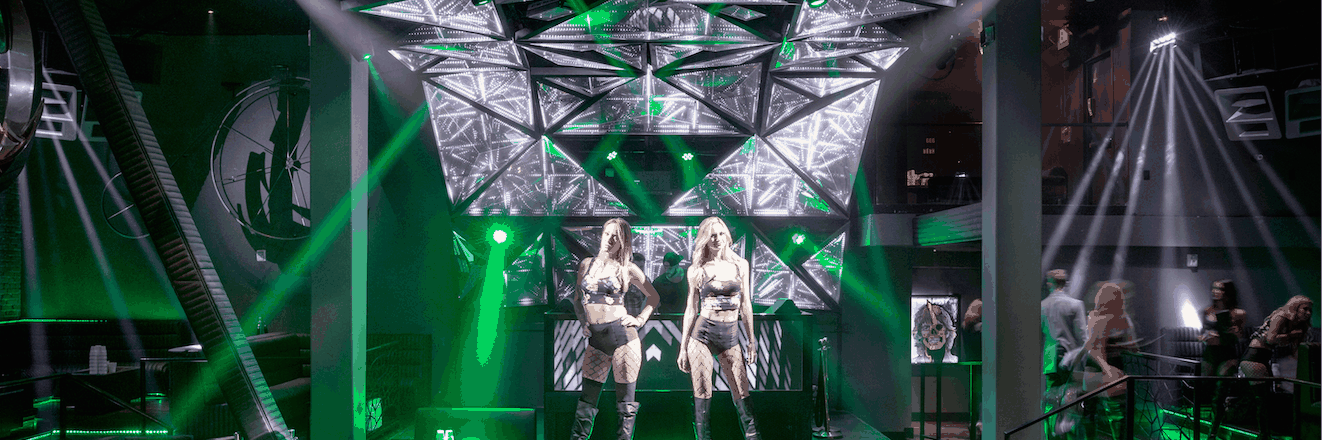
EDM gives the converted room its defining energy. Producers use light, haze and motion to guide a crowd through a set, turning the former auditorium into an instrument played by dancers. The venue’s summer party themes show how regular nights gain a narrative and give guests a reason to return.
Guest DJs connect the club to the global dance circuit. Artists familiar from festivals in Sydney, Melbourne, Brisbane or Perth can appear in a different cultural setting in Hollywood. For followers who know packed Australian dance floors, that meeting of local energy and overseas talent creates a reason to visit.
Architecture shaped by a second life
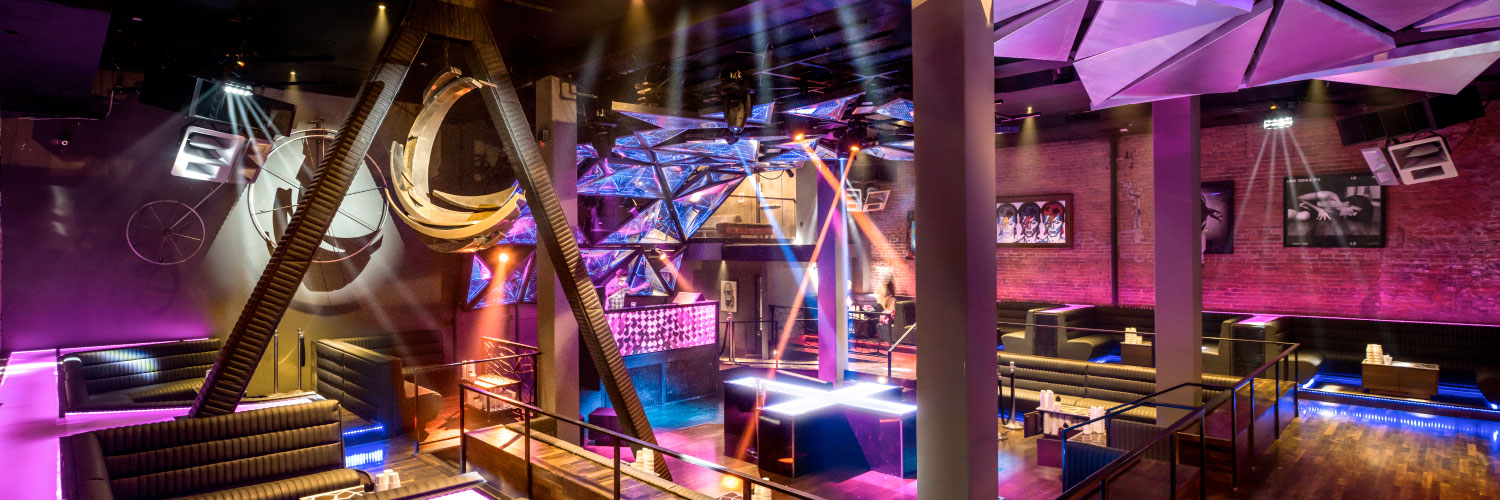
Adaptive reuse explains the atmosphere. The club added entry flow, a main performance room, premium areas, bars and social spaces around the existing shell. Those features let one address support a crowded EDM event, a reserved birthday gathering or a smaller night with a relaxed pace.
A cinema concentrated attention on one screen; a nightclub distributes it between the DJ, dance floor and surrounding conversation. Good venue design guides both behaviours. The building’s history explains the sense of theatre: anticipation at the entrance, the room’s reveal and collective release once the music starts.
A timeline of changing nights
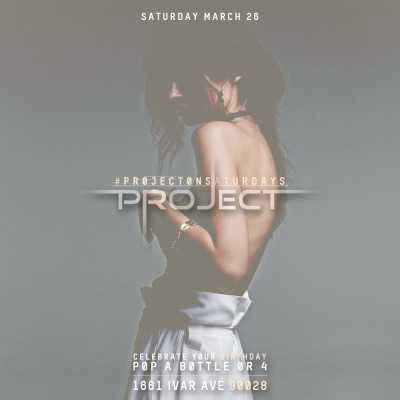
The practical timeline moves from film exhibition through nightclub operations to today’s Project Club LA identity. The cinema established the address and scale, club years brought sound and party formats, and the current era adds EDM, VIP tables and digital promotion. The venue’s birthday promotion details, including free-drink offers and discounts, show how a former screening venue now supports personal celebrations as well as public nightlife.
That continuity matters in a city where signs, names and interiors change quickly. Older photos may show another club, but the underlying site anchors each era. Current event announcements reveal the timeline through performer changes, seasonal concepts, package revisions and the rhythm of weekends in Hollywood.
Planning a visit from Australia
Planning from Australia requires attention to time, money and entry rules. Sydney and Melbourne are generally about 17 hours behind Los Angeles during Pacific daylight time, although Australian daylight-saving changes can shift that gap. Australia’s drinking age is 18, but US nightlife venues commonly require guests to be 21, so every traveller should confirm Project Club LA’s current ID policy.
Compare the total night-out cost, including the US-dollar ticket price, AUD conversion, card fees, transport and any VIP minimum. Check start times and packages for the chosen event, then share the arrival plan with the group.
Use this booking checklist:
- Compare Los Angeles start times with Australian daylight-saving dates.
- Budget for tickets, conversions, transfers and table spending.
- Confirm age, ID, bag and arrival rules for everyone.
- Arrange a driver or rideshare for the return journey.
Use this simple night plan:
- Arrive early enough for security without rushing the group.
- Keep payment cards and only the cash needed.
- Check coat-check details and meeting points in advance.
- Protect your phone and plan a safe exit when the night ends.
Australian club habits translate well, although popular international guests justify booking early. Melbourne and Sydney festival audiences will recognise the emphasis on international lineups, while local promoters know how quickly a strong DJ can lift demand.
Make your next night count
Project Club LA’s building holds two experiences in one place: the focused calm of cinema and the release of a dance floor. Its conversion redirected the building toward a contemporary soundtrack. Guest DJs, strong production and birthday packages demonstrate how a former picture house stays culturally relevant.
Choose an event that suits your group, compare general admission with a reserved table, and confirm entry details before leaving Australia. Use the official club website to buy tickets, reserve VIP space or join the mailing list, then step inside a venue connecting Hollywood’s cinematic past with its next night of dance music.
Mondays are the new Saturday! Join us tonight for a very special @mondaysocial ft Dj Dan b2b Andy Caldwell VIP: 201.452.8163 | vip@projectclubla.com
Just woke up like… #daylightsavings #justinbieber #mcm #projectclubla
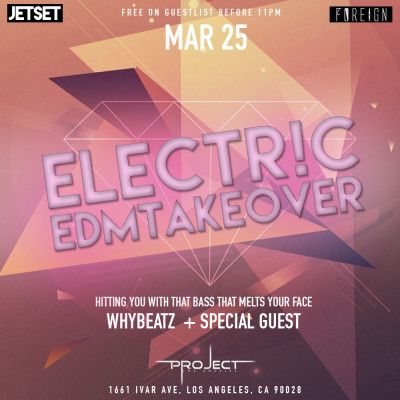
Cheers to the freakin’ weekend! Let’s go big at #ProjectFridays for the #Jetset EDM Takeover! #projectclubla VIP: 201.452.8163 | vip@projectclubla.com
We’re getting down tonight with #CableMonkeys you won’t want to miss out on this special #ProjectOnSaturdays #projectclubla VIP: 201.452.8163 | vip@projectclubla.com
Let’s keep the party going tonight for @mondaysocial with Martin Roth, Davi, & Ray Kash #projectclubla VIP: 201.453.8163 | vip@projectclubla.com
Waiting for the #weekend like….☕️ #projectclubla
We are kicking off the #weekend right tonight for #ProjectFridays , see you on the dance floor! VIP: 201.452.8163 | vip@projectclubla.com
The stars align tonight at the Sol Selecta’s Showcase Ft. @Nadastrom @djsabonyc and @saandmusic #MondaySocial VIP: 201.452.8163 | vip@projectclubla.com
A little #tbt of the beautiful #jenniferlawrence at the #oscars ❤️ can’t wait to see this year’s fashion! #projectclubla
#goals we love the new #rihanna & #drake music video for #work #projectclubla
Getting a little workout in before @mondaysocial tonight! #MNS #projectclubla
The legendary space Miami resident @cocodrills are spinnin tonight at @mondaysocial we’ll see you there #projectclubla VIP: 201.452.8163 | vip@projectclubla.com
Let’s #knockout this day! #happytuesday #adrianalima #projectclubla
Is it the #weekend yet?! We’re ready to open our doors for you again #projectclubla
It’s going down tonight at #ProjectOnSaturdays with @mikey_danger and @brandenking_ we’re going big! VIP: 301.452.8163 | vip@projectclubla.com
It is about to be a good night tonight here at #projectclubla for #ProjectFridays see you there! VIP: 201.452.8163 | vip@projectclubla.com
We are so excited for @krewella to take the stage tomorrow for Yasmine’s birthday party! If you haven’t already got your tickets, link in the bio
Why settle for just a glass when you can go the full bottle? #nationaldrinkwineday #projectclubla
Tonight the ladies of @krewella are taking over #projectclubla for Yasmine’s birthday, All proceeds go to Charity @danceforparalysis , Get your tickets and tables reserved before they sell out! Link in the bio VIP: 201.452.8163 | vip@projectclubla.com
Beyoncé is just so majestic! Who had the best outfit at the Grammys? #projectclubla #grammys #queenb