

Inside Project Club LA’s afternoon sound checks
Sound Checks and Rehearsals: A Look Inside Project Club LA’s Afternoons begins with Hollywood’s main room temporarily between services. As the afternoon settles over the boulevard, technicians wake the club’s sound system, lighting rig and video walls, then turn an empty dance floor into a working stage. The mood is practical rather than promotional: headphones on, levels adjusted, cues repeated until the room feels ready.
During that preparation window, the work creates the invisible foundation for the night’s guest DJs, themed parties and special performances. It is also where small details become decisive, from a microphone cutting out during a vocal to a lighting cue arriving half a beat late. Event listings and access details should always be checked through the club’s official channels, especially when an advertised afternoon session includes a live performance.
For Australian visitors, the schedule needs resetting. Los Angeles is roughly 17 to 18 hours behind Sydney and Melbourne, depending on daylight saving, so a Hollywood arvo lands on the following Australian morning. Melbourne and Sydney regulars used to 18+ entry should note California’s 21-year legal drinking age. Australian consumer prices generally include GST, while overseas bookings may add card-conversion fees.
From empty floor to working system
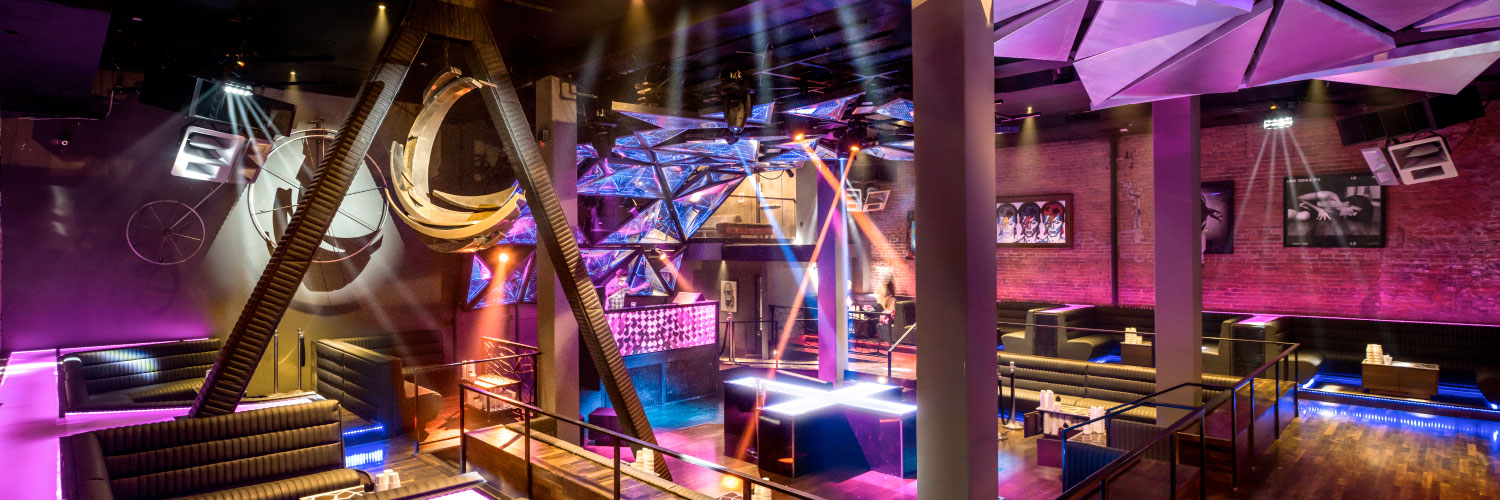
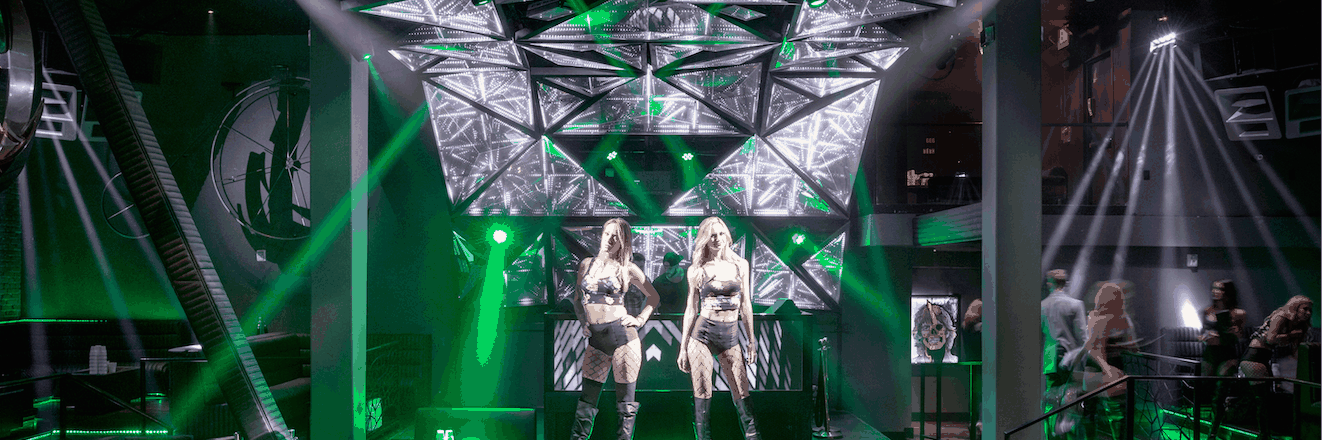
By mid-afternoon, the cavernous club can look deceptively calm. Crew members roll stands into position, route cables along safe paths and power up processors that will shape every kick, vocal and percussion layer later on. Large wall panels glow as the lighting desk cycles colours and movement, revealing the scale of the room before a single guest has arrived.
That scale changes the rehearsal. A system balanced in a small studio may need different low-end control and speaker coverage inside Project Club LA. The engineer must make sure the booth, dance floor and special-performance areas receive a coherent mix. For a wider view of technical show delivery, event production expertise shows how planning supports live events.
The anatomy of a line check
A line check moves through individual inputs: DJ decks, laptops, microphones, playback tracks and effects. Each source is heard in isolation, then blended. The engineer watches levels, listens for hum or distortion and confirms that the mixer, monitors and room speakers are behaving as one system. Silence between tracks can be as informative as the music itself.
Guest performers add another layer. A vocalist may need more presence than an EDM selector, while a drummer moving around the stage can expose a microphone that a loud backing track had masked. Rehearsal also clarifies artist handoffs, walk-on timing and the moment lighting shifts from technical preparation to performance mode. A good check leaves fewer surprises for the host and crowd.
Rehearsal priorities meet show priorities
Afternoon preparation favours control and repeatability. Once the doors open, the same settings must also flex around a changing crowd, spontaneous requests, a birthday moment or a guest taking over the booth.
| Afternoon rehearsal | Evening performance |
|---|---|
| Function, safety and signal checks | Energy, pacing and audience response |
| Engineer-led level matching | DJ-led musical transitions |
| Exact cue and handoff testing | Live improvisation within approved limits |
| Technical problems solved quietly | Final adjustments made under pressure |
| Room prepared for arrival | Room activated for dancing |
The contrast shows where the craft lies. Rehearsal creates dependable boundaries; performance fills them with movement, noise and personality. The best checks are thorough enough to prevent problems but flexible enough to let the night feel spontaneous.
Planning an afternoon club visit
Access varies by event, so confirm whether the programme is a public session, a ticketed feature or a closed production window. Before you arrive, keep a short checklist close:
- Check the event page for door times, performance slots, ID rules and any rehearsal-access restrictions.
- Carry a passport and valid photo ID; California’s legal drinking age is 21, unlike Australia’s standard age of 18.
- Compare the final AUD cost, including conversion and service fees, with a GST-inclusive Australian ticket price.
- Allow extra time for Hollywood traffic and identify a safe rideshare pickup point.
- Join the mailing list for schedule changes and guest announcements.
Inside the session, crew directions take priority:
- Follow staff directions around the booth, stage, cable routes and VIP areas.
- Keep phones away from active microphones and production desks unless the crew invites you to film.
- Treat the check as a technical process, not a peak-time dance set.
- Watch for set changes, host cues and any special-performance announcement.
- Ask the host about birthday packages or table arrangements before ordering.
This approach suits visitors who want to see the craft behind the night while remaining considerate of the people producing it.
Hosts, DJs and the room after dark
The afternoon’s precision supports the evening’s looseness. EDM and dance-music guests bring pacing, crowd-reading and a signature sound. Themed parties and special performances add distinct demands, so the run of show gives each element space to land without feeling repetitive.
VIP hosts coordinate the service side of that transition, from reservations and table expectations to the timing of celebrations and guest arrivals. The club’s VIP host essentials explain how clear communication and attentive service can make a busy night feel smoother for everyone.
That blend of preparation and hospitality carries an afternoon rehearsal into a crowded room. The technology stays consistent while the atmosphere changes, supported by hosts who know when to guide attention and when to leave the music in charge.
Book your next Project Club session
Choose an event that matches your taste, then purchase tickets through the official Project Club site or its authorised ticket outlet. If you are planning a group, birthday or larger celebration, reserve a VIP table early and note the guest arrival time, table capacity and special requests in writing.
Check the latest event update, age and ID requirements, then add the mailing list for guest DJ announcements, schedule changes and invitation-only previews. Book the session, share the details with your crew and arrive ready for a night built on the careful work heard during the afternoon.
Mondays are the new Saturday! Join us tonight for a very special @mondaysocial ft Dj Dan b2b Andy Caldwell VIP: 201.452.8163 | vip@projectclubla.com
Just woke up like… #daylightsavings #justinbieber #mcm #projectclubla
Cheers to the freakin’ weekend! Let’s go big at #ProjectFridays for the #Jetset EDM Takeover! #projectclubla VIP: 201.452.8163 | vip@projectclubla.com
We’re getting down tonight with #CableMonkeys you won’t want to miss out on this special #ProjectOnSaturdays #projectclubla VIP: 201.452.8163 | vip@projectclubla.com
Let’s keep the party going tonight for @mondaysocial with Martin Roth, Davi, & Ray Kash #projectclubla VIP: 201.453.8163 | vip@projectclubla.com
Waiting for the #weekend like….☕️ #projectclubla
We are kicking off the #weekend right tonight for #ProjectFridays , see you on the dance floor! VIP: 201.452.8163 | vip@projectclubla.com
The stars align tonight at the Sol Selecta’s Showcase Ft. @Nadastrom @djsabonyc and @saandmusic #MondaySocial VIP: 201.452.8163 | vip@projectclubla.com
A little #tbt of the beautiful #jenniferlawrence at the #oscars ❤️ can’t wait to see this year’s fashion! #projectclubla
#goals we love the new #rihanna & #drake music video for #work #projectclubla
Getting a little workout in before @mondaysocial tonight! #MNS #projectclubla
The legendary space Miami resident @cocodrills are spinnin tonight at @mondaysocial we’ll see you there #projectclubla VIP: 201.452.8163 | vip@projectclubla.com
Let’s #knockout this day! #happytuesday #adrianalima #projectclubla
Is it the #weekend yet?! We’re ready to open our doors for you again #projectclubla
It’s going down tonight at #ProjectOnSaturdays with @mikey_danger and @brandenking_ we’re going big! VIP: 301.452.8163 | vip@projectclubla.com
It is about to be a good night tonight here at #projectclubla for #ProjectFridays see you there! VIP: 201.452.8163 | vip@projectclubla.com
We are so excited for @krewella to take the stage tomorrow for Yasmine’s birthday party! If you haven’t already got your tickets, link in the bio
Why settle for just a glass when you can go the full bottle? #nationaldrinkwineday #projectclubla
Tonight the ladies of @krewella are taking over #projectclubla for Yasmine’s birthday, All proceeds go to Charity @danceforparalysis , Get your tickets and tables reserved before they sell out! Link in the bio VIP: 201.452.8163 | vip@projectclubla.com
Beyoncé is just so majestic! Who had the best outfit at the Grammys? #projectclubla #grammys #queenb