
The role of visual artists at Project Club LA live shows
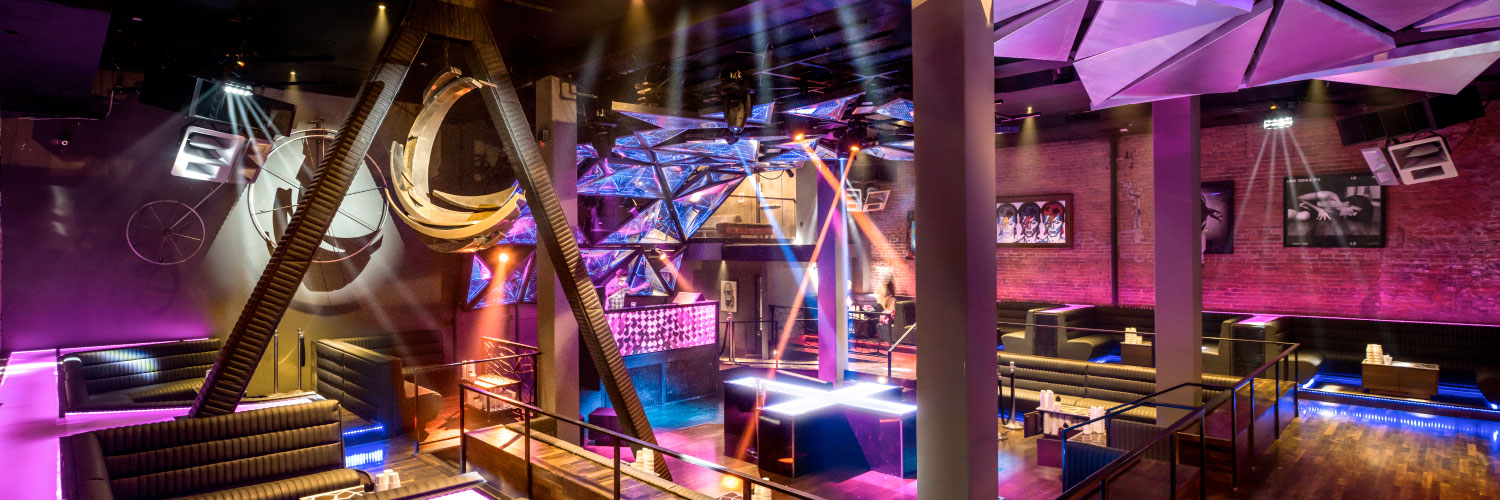
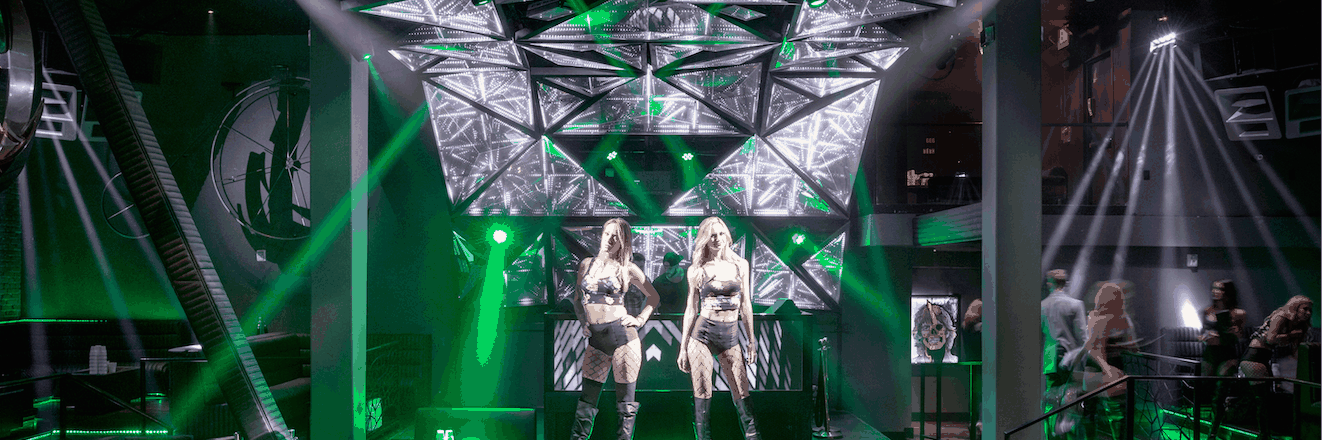
At Project Club LA, live visuals give EDM and dance music a second layer of rhythm. Visual artists translate beats into colour, motion and narrative through projection mapping, generative software, LED compositions and responsive lighting.
Rather than serving as static decoration, visuals can build with a track, reset between genres or respond subtly to the room. This lets the creative team support guest DJs, themed parties and special performances while giving each event a distinct identity.
In a Hollywood nightclub, the visual brief must also carry the brand. Images need to read clearly on a large screen, work in peripheral vision and match the energy of the dance floor, yet remain polished enough for private and corporate occasions.
Treating the artist as a live creative partner changes production planning. Music, motion design, lighting, rehearsal and social content then become one coordinated workflow, helping every Project Club LA show feel intentionally produced.
Why live visuals matter
Music already controls the tempo and emotional direction of a club set. Live visuals extend that communication, turning drops into changes in scale, using colour to shift the atmosphere and giving the crowd a focal point beyond the DJ booth.
The strongest visuals respond without distracting. They might follow the structure of a track, reference the event theme or create abstract transitions between genres. This keeps the performance coherent while preserving the spontaneity that makes a nightclub memorable.
The creative process behind the spectacle
The visual artist may begin with sketches, motion tests and references before designing a sequence for the LED wall or projection surfaces. Direction can come from the featured DJ, the event concept or the artist’s own style, depending on the creative brief.
A VJ performs live, combining clips, cameras, effects and lighting cues in real time. Other artists deliver pre-rendered films, generative environments or programmed stage visuals. Both approaches can work, provided the production team establishes the right balance between recorded material and live control.
Building a shared visual language
Good collaboration starts with agreed references, technical limits and a clear performance schedule. The artist, DJ, lighting designer and production manager should understand where each track begins, where the headline moment lands and which visuals need to change.
Technical rehearsal is equally important. Display resolution, frame rates, audio feeds, lighting interference and backup systems should be tested with the actual equipment. External guidance such as production resources can support broader research, while cue sheets, ownership agreements and music rights should be settled directly with the project team.
What the Hollywood setting changes
Hollywood’s film, fashion and advertising culture makes visual experimentation part of the venue’s creative language. A Project Club LA show can reference cinematic worlds, nightclub subcultures or futuristic digital spaces, provided the imagery remains readable in a crowded, fast-moving environment.
The same production standards can support corporate bookings as well as public dance nights. The venue’s guide to corporate celebrations outlines how atmosphere, space and entertainment can be tailored for professional groups. Private parties and birthday celebrations can similarly benefit from visuals designed around the guests rather than a generic club package.
Adapting the idea for Australia
Australian promoters can apply this model across Sydney, Melbourne and Brisbane, where established nightlife districts sit alongside growing communities of VJs, motion designers, creative agencies and electronic-music festivals. Commissioning local visual talent can make productions feel culturally relevant while supporting artists across the country’s regional touring circuit.
Timing must account for Australian habits and local conditions. Summer heat often pushes evening events towards indoor venues, while many guests combine public transport with rideshares after a late finish. Liquor service also depends on state rules, including Victoria’s Responsible Service of Alcohol requirements and NSW licence conditions under the Liquor Act 2007. Project Club LA’s perspective on festival partnerships offers useful context for connecting club programming with wider festival networks.
Planning a stronger live show
A useful brief keeps the visual concept, budget and technical delivery connected from the outset. The following recommendations help organisers create a stronger collaboration:
- Set one clear visual objective tied to the music, audience and event theme.
- Build a cue sheet that identifies tracks, transitions, screen changes and lighting cues.
- Budget for the artist’s fee, travel, equipment, rehearsal and on-site technical support.
- Confirm image rights, music synchronisation and permissions for recorded footage.
- Test the complete show before opening, including backups for displays and media playback.
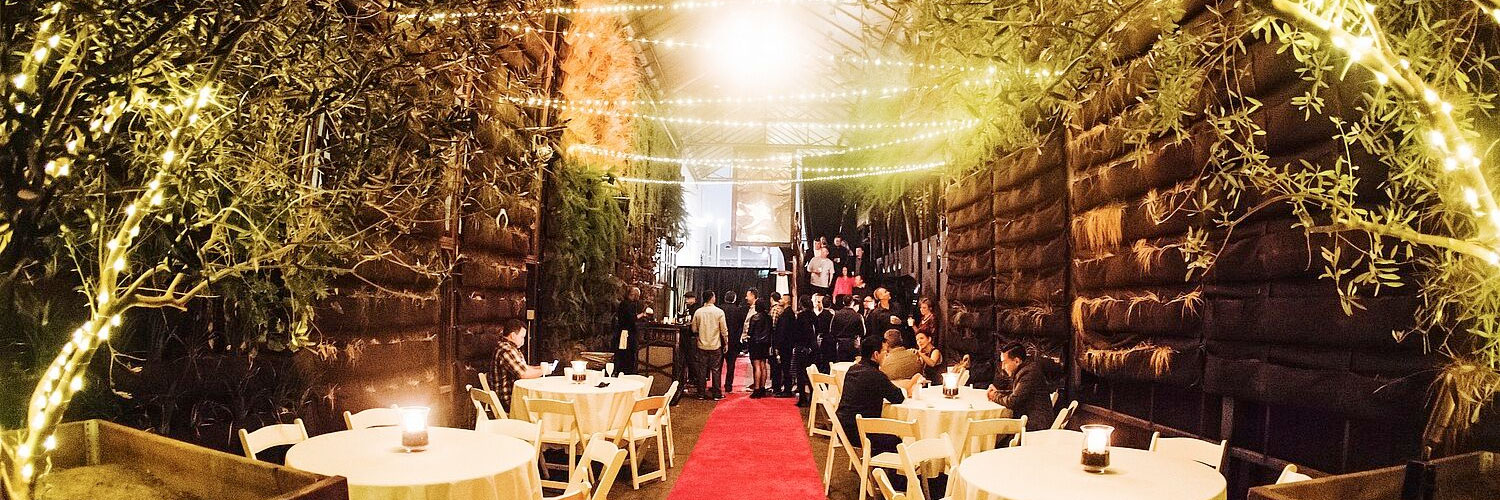
The same planning discipline applies when visuals support a seated reception rather than a dance set. A clear round-table floor plan can help designers understand sightlines and keep stage imagery visible throughout the room.
Make your next Project Club LA night count
Choose an upcoming event through the Project Club LA calendar, then review the latest galleries and videos to see how each edition develops its atmosphere. Guest DJs, recurring parties and special performances can each inspire a distinct visual direction when the production team begins with the music in mind.
Book tickets, reserve a VIP table or arrange a birthday celebration for a night built around sound and spectacle. Joining the club’s mailing list will also keep you close to future events, artist announcements and opportunities to experience the next audiovisual production.
Mondays are the new Saturday! Join us tonight for a very special @mondaysocial ft Dj Dan b2b Andy Caldwell VIP: 201.452.8163 | vip@projectclubla.com
Just woke up like… #daylightsavings #justinbieber #mcm #projectclubla
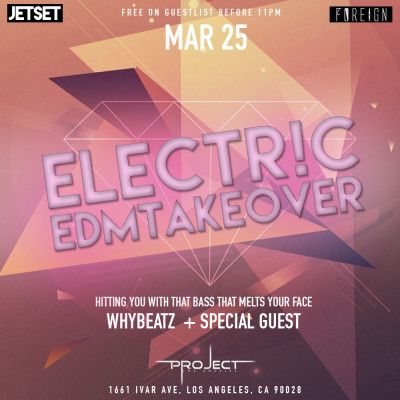
Cheers to the freakin’ weekend! Let’s go big at #ProjectFridays for the #Jetset EDM Takeover! #projectclubla VIP: 201.452.8163 | vip@projectclubla.com
We’re getting down tonight with #CableMonkeys you won’t want to miss out on this special #ProjectOnSaturdays #projectclubla VIP: 201.452.8163 | vip@projectclubla.com
Let’s keep the party going tonight for @mondaysocial with Martin Roth, Davi, & Ray Kash #projectclubla VIP: 201.453.8163 | vip@projectclubla.com
Waiting for the #weekend like….☕️ #projectclubla
We are kicking off the #weekend right tonight for #ProjectFridays , see you on the dance floor! VIP: 201.452.8163 | vip@projectclubla.com
The stars align tonight at the Sol Selecta’s Showcase Ft. @Nadastrom @djsabonyc and @saandmusic #MondaySocial VIP: 201.452.8163 | vip@projectclubla.com
A little #tbt of the beautiful #jenniferlawrence at the #oscars ❤️ can’t wait to see this year’s fashion! #projectclubla
#goals we love the new #rihanna & #drake music video for #work #projectclubla
Getting a little workout in before @mondaysocial tonight! #MNS #projectclubla
The legendary space Miami resident @cocodrills are spinnin tonight at @mondaysocial we’ll see you there #projectclubla VIP: 201.452.8163 | vip@projectclubla.com
Let’s #knockout this day! #happytuesday #adrianalima #projectclubla
Is it the #weekend yet?! We’re ready to open our doors for you again #projectclubla
It’s going down tonight at #ProjectOnSaturdays with @mikey_danger and @brandenking_ we’re going big! VIP: 301.452.8163 | vip@projectclubla.com
It is about to be a good night tonight here at #projectclubla for #ProjectFridays see you there! VIP: 201.452.8163 | vip@projectclubla.com
We are so excited for @krewella to take the stage tomorrow for Yasmine’s birthday party! If you haven’t already got your tickets, link in the bio
Why settle for just a glass when you can go the full bottle? #nationaldrinkwineday #projectclubla
Tonight the ladies of @krewella are taking over #projectclubla for Yasmine’s birthday, All proceeds go to Charity @danceforparalysis , Get your tickets and tables reserved before they sell out! Link in the bio VIP: 201.452.8163 | vip@projectclubla.com
Beyoncé is just so majestic! Who had the best outfit at the Grammys? #projectclubla #grammys #queenb