

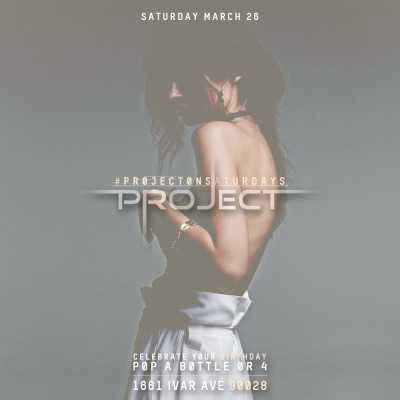
Behind the Booth at Project Club LA: A Night Out in Hollywood
The queue outside Project Club LA forms before sunset, spilling out of the car park and along the pavement on Hollywood Boulevard. Strangers talk in the half-shout of people about to share one sound system, and the first bass line leaks through the walls before anyone reaches the door.
What most people call the DJ set is the smallest part of the operation. The booth is a workstation — decks, mixer, monitors, a laptop running the show file — and behind it sits a crew of engineers and hosts keeping the night on rails. The DJ picks the records; the room decides whether the night works.
Here is how an evening runs from load-in to the last track, with notes for Australians flying in: the paperwork, the long haul out of Sydney or Melbourne, and what changes when a Hollywood Saturday lands on a home-city Friday. Check the club's event listings for the current run of nights before you build a weekend around one.
The Room Before the First Track
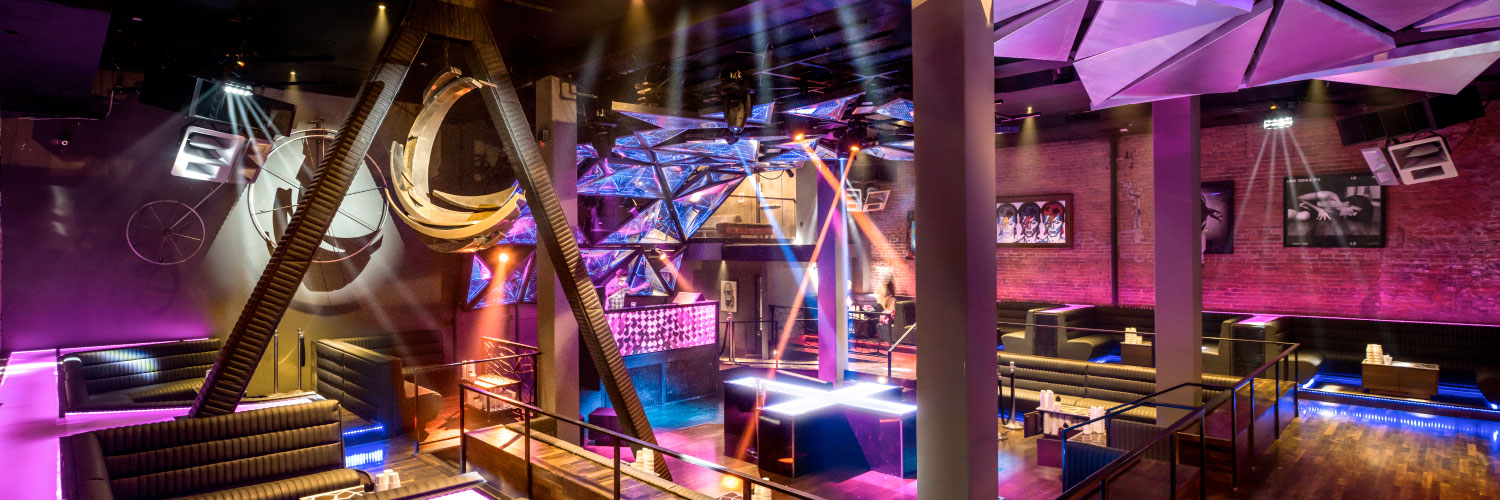
Load-in happens while the street outside is still serving lunch. Cables run under the stage, delay towers are wheeled into position, and the engineers push the system to the limit of what the walls can take. Club nights run long, so the first hour is usually a warm-up residency rather than the guest everyone came for.
Warm-up sets earn more credit than they get. They hold the floor while the headliner changes over and they teach the crowd how loud the night gets. The best moments often land in the gap between acts.
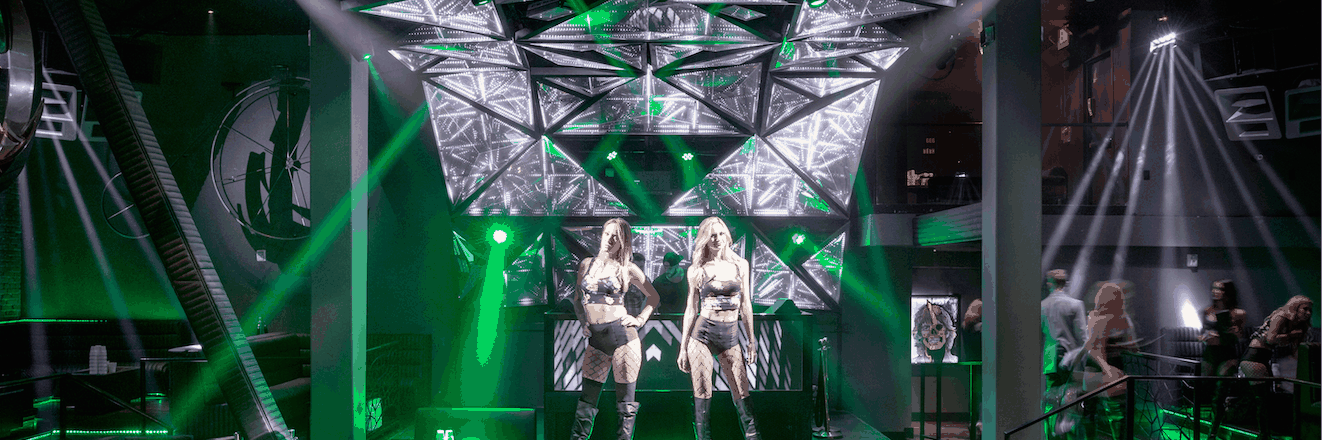
By the time the guest arrives, the booth is familiar ground: one earbud in, the laptop angled away from the crowd so the artist can read the file without being seen reading it, the mixer tucked under a wedge of screens.
How a Guest DJ Booking Actually Works
Most guest bookings start with a rider — a document listing everything from the flight number to the set length and the bottles waiting in the green room. International names usually travel with a manager who argues about monitors and handles paperwork Australian promoters would do over a beer.
The sound check shapes the set. The DJ plays the first ten minutes into the room and the engineer tunes the low end until the floor moves without the bar losing its head. Then the guest takes over for ninety minutes, and the closing slot is the hardest part of the job.
Behind the booth, mid-set
- A laptop of pre-cleared edits, originals on a second drive as backup.
- The engineer's delay rack, filling gaps and holding the room when the artist talks.
- A host on the floor, watching the front third of the dance floor.
- The promoter on the riser, timing the set and deciding whether it runs long.
From the floor
- The warm-up record that finally gets hands up.
- The guest walking on to piano lines nobody expects.
- Australians, who migrate to the barrier by the second hour.
- The closing track, slower and heavier than everything before it.
The Sound Has Moved On
Club programming has shifted, and the house kept a record of it. How the sound has evolved traces the move from longer melodic sets toward the harder style that fills the room now, and why the resident mixers changed their approach with it.
Australia has been part of that story for a while. Flume built a career out of Melbourne, Peking Duk came through the same scene, and Knife Party put Perth on festival posters worldwide. Australian acts headline Los Angeles rooms routinely now.
What changes here is scale. A home-city set might run an hour; a Hollywood headline set runs closer to two, with the low end held longer than most dance floors are used to. Comfortable shoes beat fashion trainers.
The Names Behind the Line-Up
The booking pattern matters more than the poster. Residencies give the club a stable identity, one-off guests bring their own crowd, and names appearing on the Polygon Atlantic roster have shared booths with international headliners — a quick way to read a club's taste before committing a flight.
Check the support billing as well. A local opener with a following can shift a room as much as the headliner, and the crowd that arrives early for their set often stays for the guest.
Look at the date, not just the act. Friday guest sets run longer, and holiday weekends carry a different crowd entirely.
The Bar Between the Tracks
The drinks list is built for a long night, and the club publishes its own recommendations. The bar menu picks cover the classics worth ordering before the room gets loud, including long pours that carry you through a two-hour set.
Australian drinking habits translate reasonably well, with one difference: nobody shouts a round over music here. The shout at the bar, where a group orders for everyone in turn, makes little sense when the person beside you cannot hear you, so you point or use the app. Bottle-shop runs are a harder sell in LA than in Melbourne or Brisbane.
Drink water between rounds and save the bar for the second half of the night. Birthday packages usually include a reserved section and a dedicated server, which removes the queue when a group arrives at once.
Coming From Down Under
Australians need an ESTA or a visa for the United States, and it is worth sorting before you buy a ticket. Flights from Sydney, Melbourne or Perth to LAX are long enough that the body clock arrives before you do, and daylight saving shifts land on different weekends on each side of the Pacific.
The seasons run opposite. A January night in Sydney is a summer night while Hollywood is mid-winter, so the queue will be cold and the wardrobe needs layers rather than a shirt. Bring a jacket you can stash and let the air conditioning do the rest.
Small things make a long night, especially when you travel solo or arrive for a birthday. A welcome bag checklist is worth reading before you fly — portable chargers, earplugs and a spare shirt do more for a club night than most people expect.
Your Night Starts at the Door
Booking early is the difference between a good night and a great one, and the choices are straightforward.
| Booking | What it includes | Best for |
|---|---|---|
| General admission | Floor access, full bar, late programming | First-timers and solo travellers |
| Reserved table | Dedicated seating, table service, priority re-entry | Groups of friends |
| Birthday package | Reserved section, cake, dedicated server | Celebrations of any size |
| Guest DJ night | Headline set, extended hours, upgraded sound | Chasing a specific name |
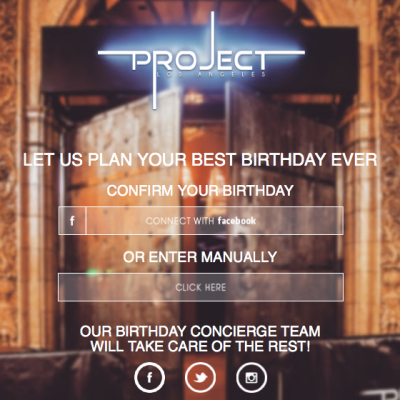
Tickets, table reservations and birthday enquiries run through the club's site, and the birthday form takes group size, arrival time and details for the guest of honour. If the date is still open, the mailing list is the sensible place to start, carrying event announcements, guest DJ confirmations and the photo and video updates from past nights.
Lock in the date, reserve a table if you are travelling with friends, and get the visa paperwork done early. The sooner you book, the more of the room you get to choose.
Mondays are the new Saturday! Join us tonight for a very special @mondaysocial ft Dj Dan b2b Andy Caldwell VIP: 201.452.8163 | vip@projectclubla.com
Just woke up like… #daylightsavings #justinbieber #mcm #projectclubla
Cheers to the freakin’ weekend! Let’s go big at #ProjectFridays for the #Jetset EDM Takeover! #projectclubla VIP: 201.452.8163 | vip@projectclubla.com
We’re getting down tonight with #CableMonkeys you won’t want to miss out on this special #ProjectOnSaturdays #projectclubla VIP: 201.452.8163 | vip@projectclubla.com
Let’s keep the party going tonight for @mondaysocial with Martin Roth, Davi, & Ray Kash #projectclubla VIP: 201.453.8163 | vip@projectclubla.com
Waiting for the #weekend like….☕️ #projectclubla
We are kicking off the #weekend right tonight for #ProjectFridays , see you on the dance floor! VIP: 201.452.8163 | vip@projectclubla.com
The stars align tonight at the Sol Selecta’s Showcase Ft. @Nadastrom @djsabonyc and @saandmusic #MondaySocial VIP: 201.452.8163 | vip@projectclubla.com
A little #tbt of the beautiful #jenniferlawrence at the #oscars ❤️ can’t wait to see this year’s fashion! #projectclubla
#goals we love the new #rihanna & #drake music video for #work #projectclubla
Getting a little workout in before @mondaysocial tonight! #MNS #projectclubla
The legendary space Miami resident @cocodrills are spinnin tonight at @mondaysocial we’ll see you there #projectclubla VIP: 201.452.8163 | vip@projectclubla.com
Let’s #knockout this day! #happytuesday #adrianalima #projectclubla
Is it the #weekend yet?! We’re ready to open our doors for you again #projectclubla
It’s going down tonight at #ProjectOnSaturdays with @mikey_danger and @brandenking_ we’re going big! VIP: 301.452.8163 | vip@projectclubla.com
It is about to be a good night tonight here at #projectclubla for #ProjectFridays see you there! VIP: 201.452.8163 | vip@projectclubla.com
We are so excited for @krewella to take the stage tomorrow for Yasmine’s birthday party! If you haven’t already got your tickets, link in the bio
Why settle for just a glass when you can go the full bottle? #nationaldrinkwineday #projectclubla
Tonight the ladies of @krewella are taking over #projectclubla for Yasmine’s birthday, All proceeds go to Charity @danceforparalysis , Get your tickets and tables reserved before they sell out! Link in the bio VIP: 201.452.8163 | vip@projectclubla.com
Beyoncé is just so majestic! Who had the best outfit at the Grammys? #projectclubla #grammys #queenb