

How Project Club LA’s security team works with medical staff on site
A busy dance floor can turn a minor welfare issue into a serious incident within seconds. At Project Club LA, security and on-site medical personnel form one response chain: security manages access and crowd flow, while medical staff assess and treat anyone who becomes unwell. The priority is to locate the patient quickly and keep the route for emergency help clear.
The arrangement is shaped by the event rather than fixed by one standard. A guest-DJ set, birthday celebration and full-capacity dance night create different pressures, so medical staffing, equipment and escalation plans may vary. Guests should still expect a clear process for urgent concerns and staff who know how to summon assistance.
Before doors open
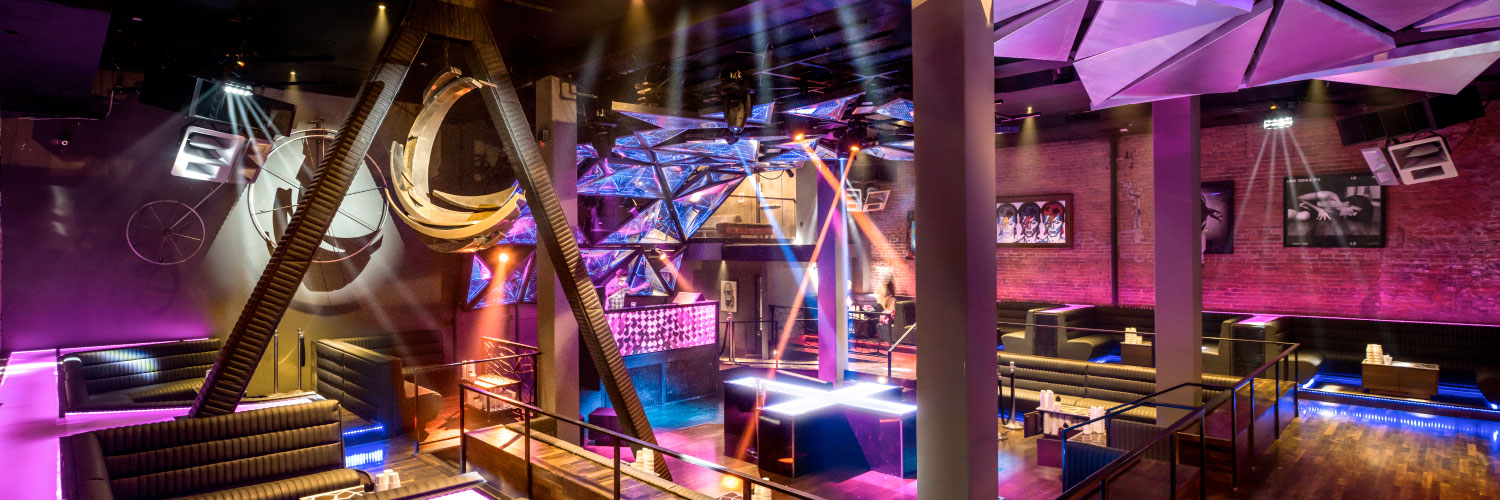
Before doors open, the duty manager, security lead and medical coordinator review expected attendance, alcohol service, room layout, stage effects, heat and any VIP or celebration arrangements. That briefing sets medical cover, identifies safe treatment space and confirms who has authority to call emergency services.
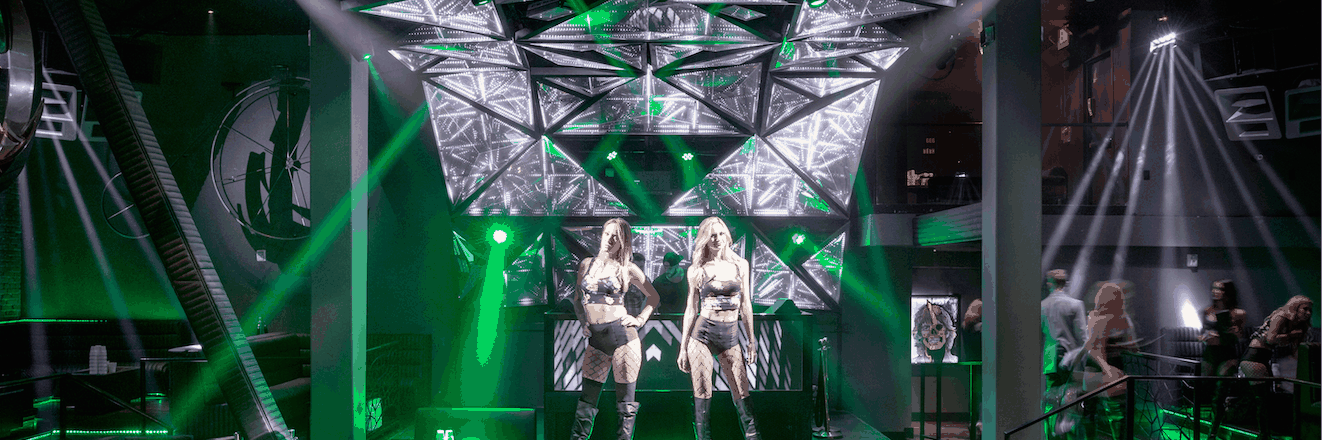
Guest bookings can change the risk picture. Promoters explain their approach to booking top talent, while the venue considers crowd density, set times and whether special effects require extra supervision. A packed floor around a headline performance may need more medical visibility and a clearer access lane than a low-capacity party.
The written plan also records equipment such as an AED, first-aid supplies and stretchers, plus ambulance entry and exit routes. It should name escalation contacts and a nearby receiving hospital, rather than relying on whoever happens to be nearest the door.
Clear roles on the night
Security officers control entry, screen for prohibited items, manage queues and monitor the floor. They also handle conflict, refused entry and vulnerable guests. When someone appears intoxicated or distressed, the first response is calm engagement and a check with medical staff, not an assumption about the cause.
Medical personnel provide the clinical assessment. Their exact qualifications can vary by event, but their role is to monitor the treatment area, prioritise care and decide when external emergency support is required. Security should not diagnose or delay treatment by insisting on a specific theory of what happened.
A radio network links both teams. Calls should use plain language and precise landmarks—“north bar,” “VIP booths” or “main-stage steps”—because radio clarity matters more than shorthand. Medical staff also receive security backup when moving through a dense crowd or protecting confidential information.
Responding when someone becomes unwell
Most incidents begin as a welfare check: a fall, dehydration, panic, suspected intoxication, breathing difficulty or a guest who cannot stand safely. Security clears space, asks about symptoms and brings the medical team. De-escalation, reduced stimulation and a seated patient may resolve a minor case without hospital care.
For a life-threatening emergency, the response becomes more formal. Staff call 000, begin trained first aid or CPR, send another person for the AED and keep an ambulance route open. A person should not be moved unless there is immediate danger or a clinician instructs it; unnecessary movement can worsen an injury.
Security continues to control the surrounding crowd while medical staff work. Afterwards, the two teams exchange essential facts for a handover: what was observed, what treatment was given and what remains uncertain. That sequence supports continuity if the patient goes to hospital and reduces conflicting accounts.
Communication, records and debriefs
Reliable records support every response. Staff log radio calls, timestamps, symptoms, treatment and agencies contacted, while preserving relevant CCTV where appropriate. Access to these records is limited because medical details are sensitive. Clear notes also help managers identify patterns, such as recurring heat-related illness or congestion near one entrance.
After the event, the medical and security leads debrief. They may adjust staffing, equipment placement or queue design for the next dance night. Promoter decisions and special performances can alter plans quickly, so the safety briefing must be repeated when the running order or capacity changes.
External checklists can expose gaps, and operators can cross-check event response planning against venue procedures and local requirements. For Australian audiences, the comparison is useful: a nightclub in Sydney’s Kings Cross or Melbourne’s Chapel Street may work under different state licensing and crowd-control rules from a Hollywood venue.
What Australian guests should know
Australian guests should know that the emergency number is 000, with 112 also working from mobile phones. If someone collapses at an event, alert the nearest staff member rather than trying to carry them through the crowd. Keep access points clear so paramedics can reach the patient without negotiating around the dance floor.
Doors can have firm policies. In Australian nightlife, door workers are often called “skips” or “doories,” and a cheerful “no worries” does not mean ID checks or capacity limits are optional. Do not assume an Australian digital ID or an overseas licence will be accepted; check the event’s entry guidance and bring acceptable physical identification.
Because daylight-saving changes can shift the relationship between Australian and Los Angeles clocks, confirm the event date and local start time rather than calculating from a standard time difference. Tell friends where you are, keep water available and appoint one sober person in the group. If celebrating a birthday or booking VIP treatment, mention relevant medical needs early so hosts can direct the party to the right support.
Plan your next dance night through Project Club LA by checking upcoming events, buying tickets, reserving a VIP table or arranging a birthday celebration. Review the entry and accessibility details before leaving home and bring acceptable identification. Join the mailing list for event announcements and special-performance updates, then organise your group so one person stays sober and alerts staff if anyone becomes unwell.
Mondays are the new Saturday! Join us tonight for a very special @mondaysocial ft Dj Dan b2b Andy Caldwell VIP: 201.452.8163 | vip@projectclubla.com
Just woke up like… #daylightsavings #justinbieber #mcm #projectclubla
Cheers to the freakin’ weekend! Let’s go big at #ProjectFridays for the #Jetset EDM Takeover! #projectclubla VIP: 201.452.8163 | vip@projectclubla.com
We’re getting down tonight with #CableMonkeys you won’t want to miss out on this special #ProjectOnSaturdays #projectclubla VIP: 201.452.8163 | vip@projectclubla.com
Let’s keep the party going tonight for @mondaysocial with Martin Roth, Davi, & Ray Kash #projectclubla VIP: 201.453.8163 | vip@projectclubla.com
Waiting for the #weekend like….☕️ #projectclubla
We are kicking off the #weekend right tonight for #ProjectFridays , see you on the dance floor! VIP: 201.452.8163 | vip@projectclubla.com
The stars align tonight at the Sol Selecta’s Showcase Ft. @Nadastrom @djsabonyc and @saandmusic #MondaySocial VIP: 201.452.8163 | vip@projectclubla.com
A little #tbt of the beautiful #jenniferlawrence at the #oscars ❤️ can’t wait to see this year’s fashion! #projectclubla
#goals we love the new #rihanna & #drake music video for #work #projectclubla
Getting a little workout in before @mondaysocial tonight! #MNS #projectclubla
The legendary space Miami resident @cocodrills are spinnin tonight at @mondaysocial we’ll see you there #projectclubla VIP: 201.452.8163 | vip@projectclubla.com
Let’s #knockout this day! #happytuesday #adrianalima #projectclubla
Is it the #weekend yet?! We’re ready to open our doors for you again #projectclubla
It’s going down tonight at #ProjectOnSaturdays with @mikey_danger and @brandenking_ we’re going big! VIP: 301.452.8163 | vip@projectclubla.com
It is about to be a good night tonight here at #projectclubla for #ProjectFridays see you there! VIP: 201.452.8163 | vip@projectclubla.com
We are so excited for @krewella to take the stage tomorrow for Yasmine’s birthday party! If you haven’t already got your tickets, link in the bio
Why settle for just a glass when you can go the full bottle? #nationaldrinkwineday #projectclubla
Tonight the ladies of @krewella are taking over #projectclubla for Yasmine’s birthday, All proceeds go to Charity @danceforparalysis , Get your tickets and tables reserved before they sell out! Link in the bio VIP: 201.452.8163 | vip@projectclubla.com
Beyoncé is just so majestic! Who had the best outfit at the Grammys? #projectclubla #grammys #queenb