
How Project Club LA’s Lighting Techs Set Up for a Multi-Room Event
A multi-room night at Project Club LA is built around movement. Guests might begin with drinks in one space, follow a bassline towards the main dance floor, then discover a side room with a guest DJ or a surprise performance. Lighting has to make every transition feel deliberate without turning the venue into a confusing maze. Learn more about Diplomatwest.net.
The lighting crew starts well before doors open. They study the event schedule, room layouts, DJ requirements, stage positions and expected crowd flow. From there, they create a visual system that gives each room its own mood while keeping the entire venue connected.
For Australian visitors, that planning can feel familiar if they have attended a packed night in Sydney’s Kings Cross, Melbourne’s CBD or Fortitude Valley in Brisbane. The best clubs balance atmosphere with practical concerns such as queue movement, responsible service rules, late-night transport and clear exits.
The result is more than coloured beams and flashing fixtures. It is a coordinated production that supports the music, helps guests find their way and gives every camera phone moment a polished backdrop.
Reading The Venue Before The Rig Goes In
The first task is a technical walk-through. Crew members identify power sources, ceiling heights, truss points, reflective surfaces, emergency access routes and areas where equipment could interfere with staff or guests. They also check sightlines from the DJ booth, VIP tables, bars and dance floors.
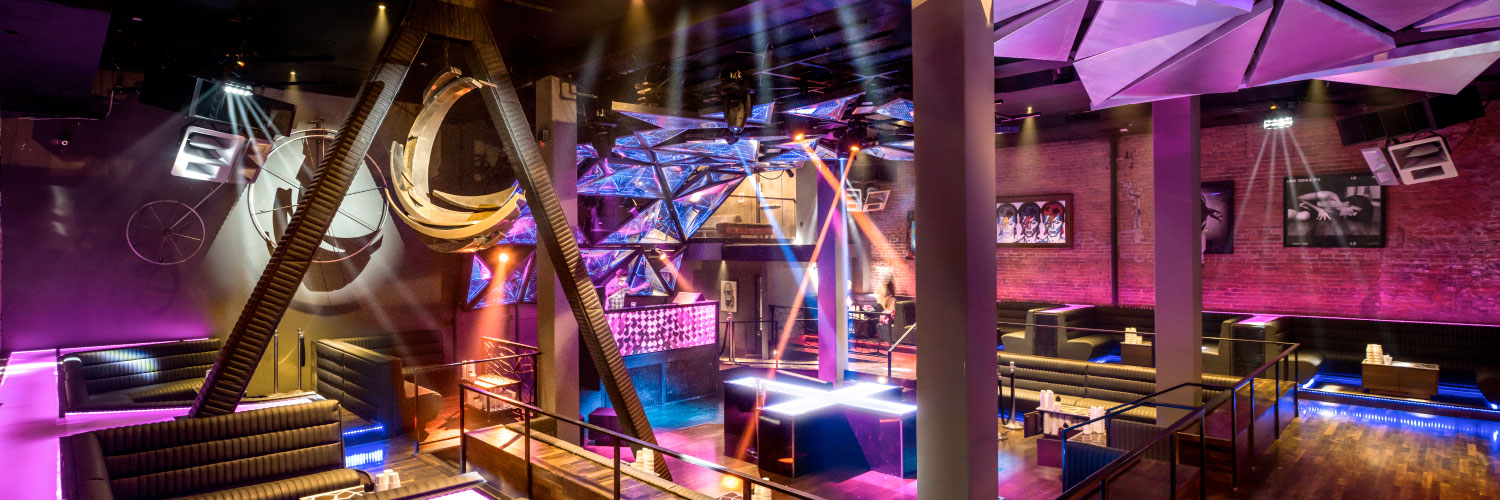
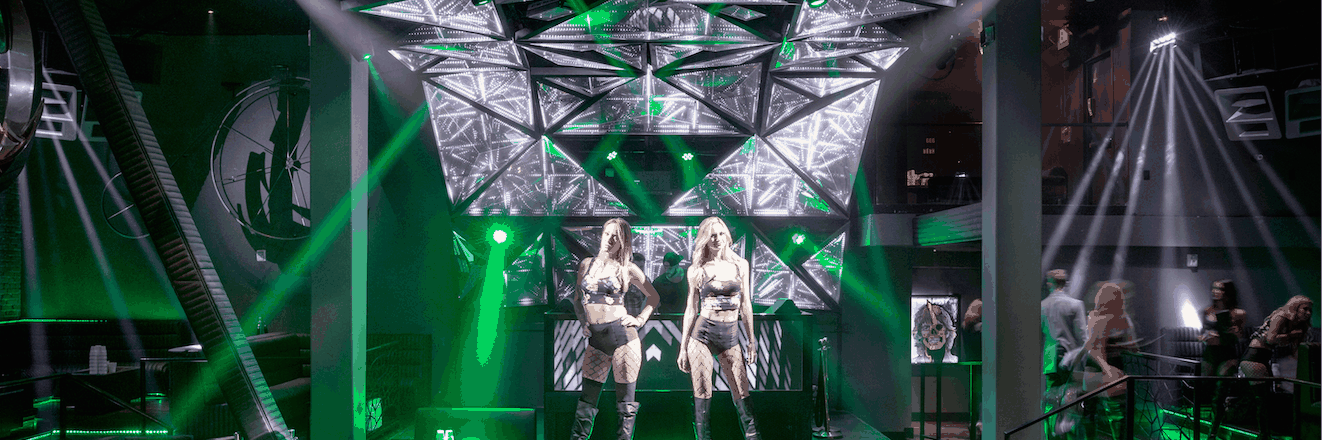
Each room receives a lighting identity. The main room may use fast-moving beams, strobes and saturated colour changes for EDM peaks, while a lounge area may rely on warmer washes and slower movement. This contrast encourages guests to explore instead of making every part of the venue feel identical.
A production team may also use specialised event production tools to organise technical details, equipment requirements and show information. Clear documentation matters when several operators, performers and venue departments need to work to the same plan.
Building A Visual Map For Every Room
Lighting designers divide the night into zones and moments. They consider the opening period, the first major drop, headline DJ sets, birthday celebrations, bottle presentations and the final run of high-energy tracks. Each cue is assigned to a room, fixture group or control layer.
This approach allows the venue to feel responsive without becoming visually chaotic. A lighting change in the main room can be echoed by a softer colour shift in a connecting area, creating a sense that the whole building is reacting to the music.
A useful cue map includes:
- Room-by-room fixture groups and control channels
- Music cues for intros, drops, breakdowns and finales
- Dedicated looks for birthdays and VIP table service
- Safe work positions for operators and performers
- Backup scenes for technical faults or schedule changes
The team then programmes scenes in the lighting console. They test brightness, colour balance, movement speed and blackout timing, paying close attention to how haze reveals beams without obscuring faces or signage.
Tuning Light To DJs And Performers
Guest DJs rarely deliver identical sets, so operators leave room for live decisions. A programmed show might provide the foundation, while a technician manually intensifies movement during a build-up or holds a clean look when a performer addresses the crowd.
Communication is essential. The lighting director may coordinate with the audio engineer, stage manager and DJ liaison through headset calls or agreed hand signals. If a special performance enters from a side room, the crew needs to know exactly when to open a pathway and shift attention.
The Project Club LA schedule gives production staff a reference point for recurring events, guest appearances and special programming. That information helps them prepare different lighting packages rather than relying on one fixed show file for every night.
Making Transitions Feel Natural
Crowd flow is a major part of multi-room lighting design. Brighter pathways, subtle accent fixtures and carefully positioned colour can guide guests towards a featured set without making the movement feel forced. Lighting can also help staff monitor busy areas while preserving the club’s atmosphere.
This is especially useful for Australian travellers planning a big Hollywood night after a long flight from Melbourne or Perth. People may arrive at different times because of jet lag, airport transfers and unfamiliar local transport, so clear visual cues make the venue easier to navigate once the night gathers pace.
Lighting technicians also protect the energy between rooms. Rather than switching abruptly from an intense dance-floor look to a flat corridor, they use transitional colour, low-level fixtures and timed fades. The building feels continuous even when the music changes dramatically.
Balancing Impact With Comfort And Safety
High-output strobes, lasers and moving heads are powerful tools, but they require disciplined operation. The crew checks sightlines, avoids unsafe exposure and ensures technical equipment is secured away from public routes. Haze levels are monitored so beams remain visible without reducing comfort or visibility.
Australian nightlife audiences are used to venues operating under firm safety expectations, including RSA culture, controlled capacity and clear staff procedures. Visitors often appreciate the same practical standards in Los Angeles, particularly when a popular Hollywood event reaches full capacity.
Before doors open, technicians run a complete systems check:
- Confirming power distribution and backup options
- Testing DMX, network and wireless control links
- Checking fixture focus, pan, tilt, colour and dimming
- Verifying strobes, lasers and haze settings
- Inspecting cable runs, barriers and overhead hardware
The crew also prepares fallback scenes. If one fixture fails, a nearby wash or beam can preserve the look. If a DJ changes the running order, operators can move between prepared cues without leaving the room in darkness.
Capturing The Night Beyond The Dance Floor
Lighting has to work for the people in the venue and for the images they share afterwards. Photographers and video teams need balanced exposure, visible faces and enough contrast to show movement. A look that feels dramatic in person can appear flat or overexposed on a phone, so technicians make small adjustments throughout the event.
That visual thinking supports the wider identity of Project Club LA, where event photography, videos and recurring parties help extend the night beyond the room. A strong lighting design gives guests recognisable moments to remember and gives the venue consistent material for future promotion.
The rhythm of a midweek event can also benefit from careful programming. Insights from Thursday dancing in Hollywood show why pacing matters when guests are fitting nightlife around work, study or travel. Early looks can feel inviting, then build towards a more immersive late-night peak.
The same principle applies to the dance floor itself. As discussed in Hollywood dance-floor design, lighting should support movement and connection rather than distract from the DJ. When every cue serves the room, technical craft becomes part of the atmosphere.
For guests arriving from Brisbane, Sydney or Melbourne, a multi-room event at Project Club LA offers a chance to see that craft up close: different spaces, distinct moods and a production team working quietly behind the scenes. Check the next event, plan your transport, and reserve tickets or a VIP table through the club before the night fills up.
Mondays are the new Saturday! Join us tonight for a very special @mondaysocial ft Dj Dan b2b Andy Caldwell VIP: 201.452.8163 | vip@projectclubla.com
Just woke up like… #daylightsavings #justinbieber #mcm #projectclubla
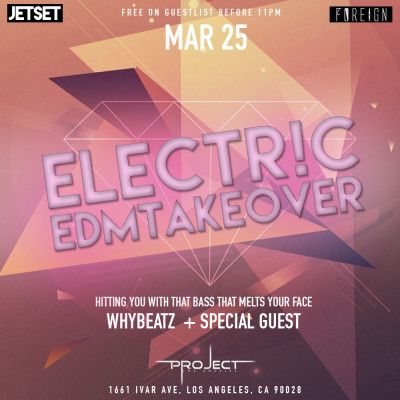
Cheers to the freakin’ weekend! Let’s go big at #ProjectFridays for the #Jetset EDM Takeover! #projectclubla VIP: 201.452.8163 | vip@projectclubla.com
We’re getting down tonight with #CableMonkeys you won’t want to miss out on this special #ProjectOnSaturdays #projectclubla VIP: 201.452.8163 | vip@projectclubla.com
Let’s keep the party going tonight for @mondaysocial with Martin Roth, Davi, & Ray Kash #projectclubla VIP: 201.453.8163 | vip@projectclubla.com
Waiting for the #weekend like….☕️ #projectclubla
We are kicking off the #weekend right tonight for #ProjectFridays , see you on the dance floor! VIP: 201.452.8163 | vip@projectclubla.com
The stars align tonight at the Sol Selecta’s Showcase Ft. @Nadastrom @djsabonyc and @saandmusic #MondaySocial VIP: 201.452.8163 | vip@projectclubla.com
A little #tbt of the beautiful #jenniferlawrence at the #oscars ❤️ can’t wait to see this year’s fashion! #projectclubla
#goals we love the new #rihanna & #drake music video for #work #projectclubla
Getting a little workout in before @mondaysocial tonight! #MNS #projectclubla
The legendary space Miami resident @cocodrills are spinnin tonight at @mondaysocial we’ll see you there #projectclubla VIP: 201.452.8163 | vip@projectclubla.com
Let’s #knockout this day! #happytuesday #adrianalima #projectclubla
Is it the #weekend yet?! We’re ready to open our doors for you again #projectclubla
It’s going down tonight at #ProjectOnSaturdays with @mikey_danger and @brandenking_ we’re going big! VIP: 301.452.8163 | vip@projectclubla.com
It is about to be a good night tonight here at #projectclubla for #ProjectFridays see you there! VIP: 201.452.8163 | vip@projectclubla.com
We are so excited for @krewella to take the stage tomorrow for Yasmine’s birthday party! If you haven’t already got your tickets, link in the bio
Why settle for just a glass when you can go the full bottle? #nationaldrinkwineday #projectclubla
Tonight the ladies of @krewella are taking over #projectclubla for Yasmine’s birthday, All proceeds go to Charity @danceforparalysis , Get your tickets and tables reserved before they sell out! Link in the bio VIP: 201.452.8163 | vip@projectclubla.com
Beyoncé is just so majestic! Who had the best outfit at the Grammys? #projectclubla #grammys #queenb