
Project Club LA’s photography policy: what’s allowed and what’s not
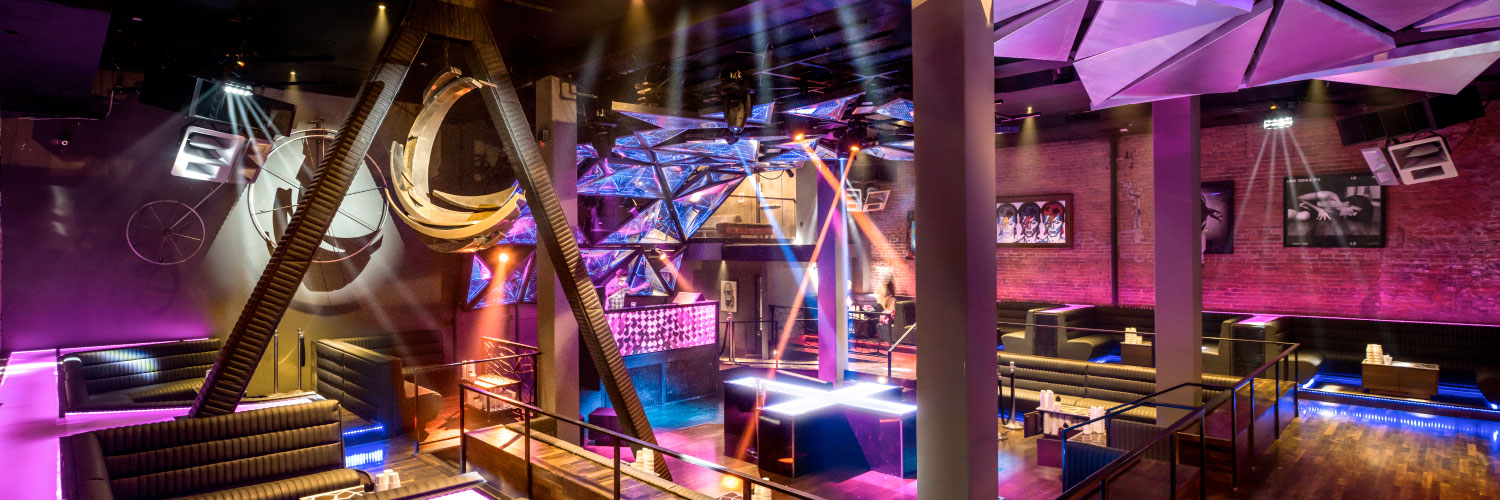
Project Club LA’s photography policy governs how guests capture DJs, dance floors, special performances and birthday celebrations. Its practical boundary is usually simple: ordinary phone use for personal memories is tolerated, while professional production or commercial recording needs permission. Event notices, signs and staff directions can add conditions, so check the rules for your specific night.
Australian guests should remember that a crowded club offers little practical privacy, even though people are in a public venue. That does not create unlimited permission to record, shame or redistribute an identifiable person. A respectful approach protects your own image, avoids arguments and keeps the night focused on music.
Reading the club’s general rule
Most visitors may take casual phone photographs and short videos of the venue, DJs and performances for personal use. The activity must be safe, non-disruptive and non-commercial. A photographer, videographer or branded campaign needs approval before arrival, rather than being treated as ordinary guest activity.
Read the policy for the event you are attending, not just the club in general. Guest-DJ sets, birthday bookings and special productions may add rules about cameras, lighting, backstage areas or recording. Posted guidance and clear staff directions take priority when guests are unsure.
Personal snapshots and social posts
A quick photo of the atmosphere is usually fine when it does not interfere with others. Sharing a normal group image privately or publicly is common, provided nobody is singled out for ridicule and the image reveals nothing a guest would reasonably expect to stay private.
Public posting deserves a second look. Do not tag an intoxicated guest, publish an intimate exchange or make someone’s appearance the punchline. If someone asks you to stop, delete the material rather than arguing that the club is public.
Consent and the privacy of other guests
Being photographed incidentally in a wide crowd scene differs from asking someone to pose, following them or making a close recording. Seek consent for intimate, emotional or compromising moments, and never pressure someone who declines. Clear consent is especially important when a clip will be used beyond private sharing.
Privacy matters around security staff. Avoid filming checks, entry queues, badges, staff discussions or anyone who appears distressed. These images can reveal personal information or interfere with safety work. If content creates a dispute, stop sharing it and seek venue assistance.
Filming DJs and special performances
DJ sets and dance-floor performances are common subjects for personal recordings, and short clips are generally acceptable if artists and guests are not obstructed. Keep the phone low, do not push through the crowd and avoid restricted or staff-only zones. A public appearance does not automatically grant unlimited commercial reuse.
Performance media also carries cultural context: a Catalan performance language guide shows why regional wording in staged work should be represented accurately. Apply the same care to event images by naming artists correctly and avoiding stereotypes. Ask before highlighting a guest for promotion, even during a public set.
Safety, equipment and restricted areas
Tripods, large cameras, detached lights and broadcast equipment can block exits, distract performers or create crowd hazards. Use them only with venue approval and agreed crew positions. Flash can disrupt a performance, while booths, loading areas and green rooms are not filming locations simply because a phone can reach them.
Drones, extended selfie sticks and staged group shots are poor choices on a packed dance floor. Move when people need to pass and follow staff instructions if recording is paused. Photography must never delay an evacuation, interfere with security or make another guest feel unsafe.
Australian expectations and legal context
Australian nightlife markets in Melbourne, Sydney and Brisbane are familiar with phone photography, social posts and mobile-app ticket bookings. That habit makes checking an event listing natural, but it does not replace consent. Age rules also differ: California’s legal drinking age is 21, while Australia’s is 18, so confirm entry requirements before buying.
Rules can change with the event format, as a Texas Hold’em strategy explainer shows by treating exact conditions as decisive rather than relying on assumptions. At Project Club LA, read the details for a guest-DJ night, themed party or birthday booking instead of assuming every event follows the standard policy.
If an Australian agency or promoter receives identifiable guest images, the Australian Privacy Act 1988 and Australian Privacy Principles may apply to its handling of them. Those rules do not replace California law or venue instructions. Australians accustomed to CASA drone restrictions should leave drones at home unless the venue and relevant US authorities permit them.
Photography checklist before you arrive
A brief check before entry resolves most photography disputes and takes less time than deleting an unwanted clip.
For ordinary personal use, the usual position is:
- Phone photos of the room, stage and décor for private use.
- Short clips of a DJ set for personal enjoyment.
- Posts that do not target, embarrass or expose a guest.
- Performance footage that does not block views or routes.
For production or sensitive content, seek permission or avoid:
- Professional cameras, tripods, lights or broadcast gear.
- Commercial campaigns or merchandise using guest images.
- Close recordings of private conversations or vulnerable people.
- Flash, drones, disruptive movement or restricted access.
A quick comparison separates ordinary guest documentation from activities that need clearance:
| Activity | Personal guest use | Approval or limits |
|---|---|---|
| Phone photo of the atmosphere | Generally okay | Follow signs and staff directions |
| Short DJ or performance video | Generally okay for private use | No commercial reuse without approval |
| Professional camera setup | Not a default guest activity | Venue approval and agreed crew positions |
| Close-up of an identifiable guest | Ask first | Never pressure, harass or share harmful content |
| Flash, drone or staged obstruction | Usually restricted | Confirm with management before arrival |
Before you go, review Project Club LA for the current event details and photography guidance, then purchase tickets, reserve a VIP area or arrange a birthday booking. If your group wants professional photographs, contact the venue in advance to agree on angles, guest privacy and permitted uses. That step keeps a memorable celebration from becoming a camera conflict.
Mondays are the new Saturday! Join us tonight for a very special @mondaysocial ft Dj Dan b2b Andy Caldwell VIP: 201.452.8163 | vip@projectclubla.com
Just woke up like… #daylightsavings #justinbieber #mcm #projectclubla
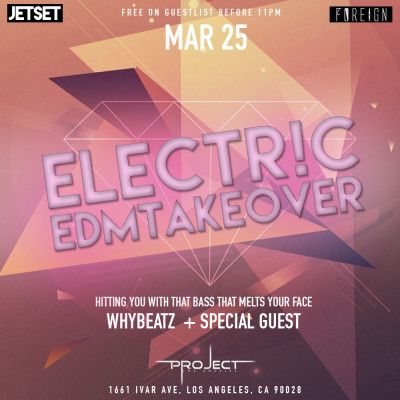
Cheers to the freakin’ weekend! Let’s go big at #ProjectFridays for the #Jetset EDM Takeover! #projectclubla VIP: 201.452.8163 | vip@projectclubla.com
We’re getting down tonight with #CableMonkeys you won’t want to miss out on this special #ProjectOnSaturdays #projectclubla VIP: 201.452.8163 | vip@projectclubla.com
Let’s keep the party going tonight for @mondaysocial with Martin Roth, Davi, & Ray Kash #projectclubla VIP: 201.453.8163 | vip@projectclubla.com
Waiting for the #weekend like….☕️ #projectclubla
We are kicking off the #weekend right tonight for #ProjectFridays , see you on the dance floor! VIP: 201.452.8163 | vip@projectclubla.com
The stars align tonight at the Sol Selecta’s Showcase Ft. @Nadastrom @djsabonyc and @saandmusic #MondaySocial VIP: 201.452.8163 | vip@projectclubla.com
A little #tbt of the beautiful #jenniferlawrence at the #oscars ❤️ can’t wait to see this year’s fashion! #projectclubla
#goals we love the new #rihanna & #drake music video for #work #projectclubla
Getting a little workout in before @mondaysocial tonight! #MNS #projectclubla
The legendary space Miami resident @cocodrills are spinnin tonight at @mondaysocial we’ll see you there #projectclubla VIP: 201.452.8163 | vip@projectclubla.com
Let’s #knockout this day! #happytuesday #adrianalima #projectclubla
Is it the #weekend yet?! We’re ready to open our doors for you again #projectclubla
It’s going down tonight at #ProjectOnSaturdays with @mikey_danger and @brandenking_ we’re going big! VIP: 301.452.8163 | vip@projectclubla.com
It is about to be a good night tonight here at #projectclubla for #ProjectFridays see you there! VIP: 201.452.8163 | vip@projectclubla.com
We are so excited for @krewella to take the stage tomorrow for Yasmine’s birthday party! If you haven’t already got your tickets, link in the bio
Why settle for just a glass when you can go the full bottle? #nationaldrinkwineday #projectclubla
Tonight the ladies of @krewella are taking over #projectclubla for Yasmine’s birthday, All proceeds go to Charity @danceforparalysis , Get your tickets and tables reserved before they sell out! Link in the bio VIP: 201.452.8163 | vip@projectclubla.com
Beyoncé is just so majestic! Who had the best outfit at the Grammys? #projectclubla #grammys #queenb