
Project Club LA live painting and murals
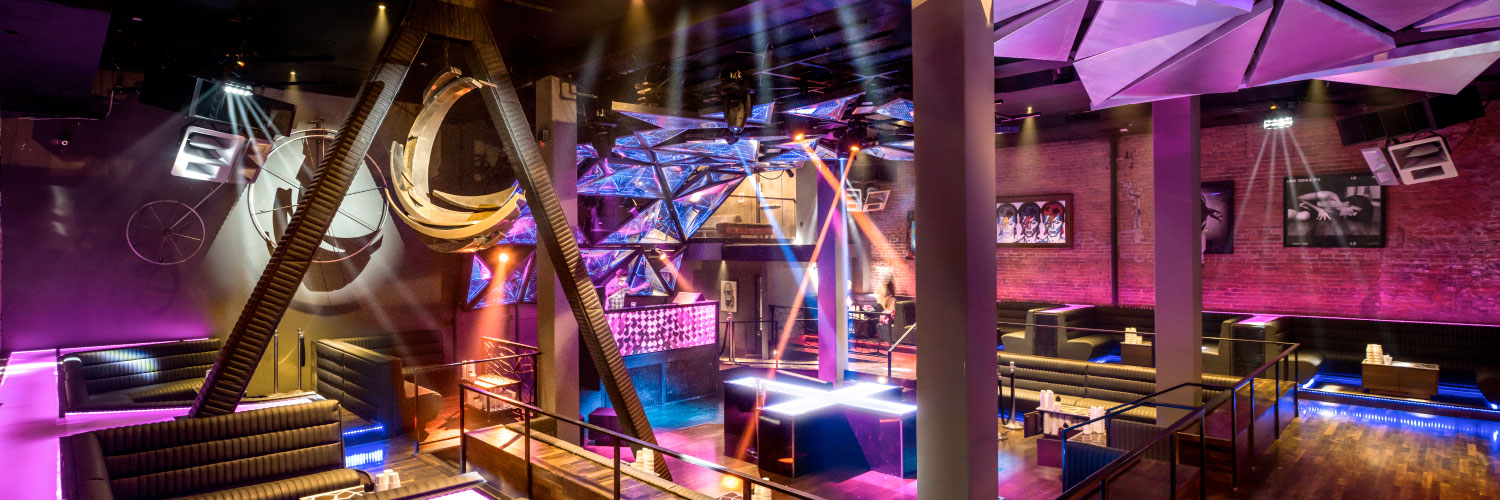
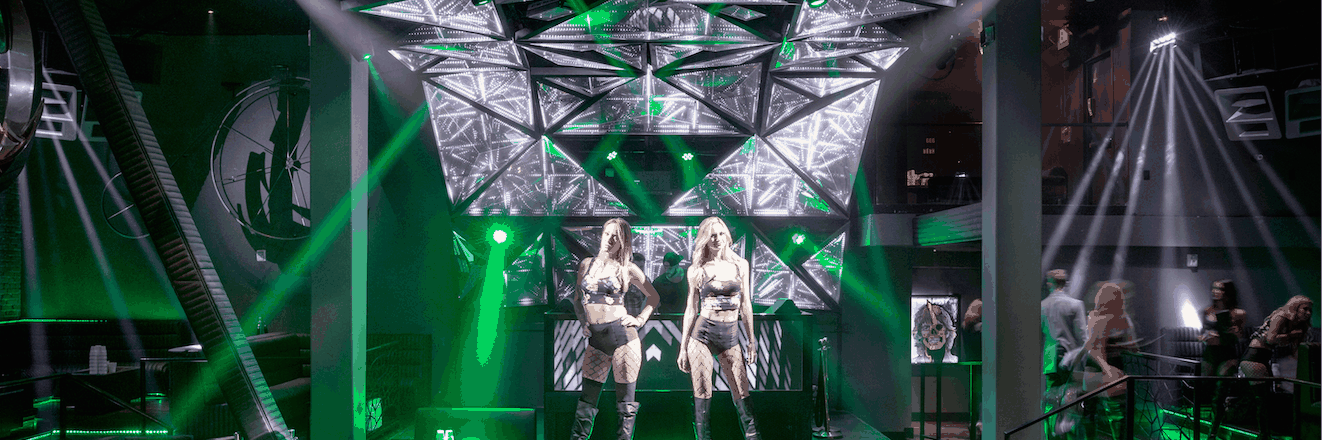
Project Club LA’s collaboration with visual artists brings live painting and murals to a Hollywood nightclub, turning it into a shared studio for sound, paint and movement. Live painters respond to DJs and dancers in real time, while murals give events a bold visual identity. The work becomes part of the atmosphere rather than background decoration.
The approach suits a venue built around recurring EDM events, guest DJs, parties and special performances. Artists translate the room’s pulse into colour and form, while guests encounter art as it unfolds. The exchange gives artists a public platform and audiences creative risk they can witness in real time.
Australian nightlife audiences recognise communal dancing, expressive design and temporary social spaces. Sydney’s Kings Cross precinct, Melbourne’s laneway bars and Brisbane’s Fortitude Valley clubs show how visual programming can give a night a distinct identity and a reason to arrive early and stay longer.
A canvas built for the dance floor
Club lighting, haze and moving crowds create an unusual studio. A painter cannot rely on daylight or quiet, so commissions must account for visibility, colour response, safe placement and nearby guests. Large surfaces should avoid bottlenecks, while smaller works can sit on a raised platform that turns the artist into part of the performance.
The Project Club LA programme provides the framework for this encounter, combining headline DJs with events where the visual layer develops alongside the music. Standard tickets, VIP bookings and birthday packages can be planned around a themed edition, making the artwork a reason to gather.
How live painting changes the room
Live painting works through delay: the audience sees decisions, pauses and revisions that a finished canvas normally hides. The artist becomes a second performer, translating a kick drum into a burst of colour or answering a DJ with a slower, quieter passage. That exchange gives the set a narrative without interrupting the music.
Practical decisions matter. Acrylics dry quickly under club lights, but glare and haze can shift how colours read, so materials should be tested in the actual room. A discreet platform, protective screen and ventilation protect artist and guests while keeping the work visible. Artists seeking wider visual references can check Quest Point when assembling a reference shortlist.
Murals that carry the night beyond the club
Murals operate on a different timescale. A finished wall piece can welcome arrivals, frame a photo area and remain visible long after the live set ends, turning one event into a landmark. Projects can be painted in advance and partly revealed during the night, linking the physical build to the club’s opening.
Melbourne’s street-art reputation makes its laneway culture a natural parallel for hospitality venues, although the work should suit the room. In Sydney, precincts such as Kings Cross operate within strict noise and closing conditions, so a mural adds identity without sound or crowding. Teams needing fabrication or installation support can investigate Puppet24 creative resources, then confirm rights and insurance separately.
Giving the collaboration creative intent
A strong brief begins with purpose. Curator and artist should agree on the theme, level of interaction, dimensions, installation time, lighting, photography, ownership and artist credit. Keeping the shared language plain is practical: the creative idea needs room to surprise, while responsibilities need no ambiguity.
Australian club promotion is often direct and informal, calling a night ‘beaut’ or a lineup ‘keen’. Art direction can use that welcoming tone without using slang as a substitute for a clear concept. Promoters should still confirm budgets, approvals and insurance in plain contractual terms.
Planning a night around live art
For a smooth collaboration, responsibilities should be clear to everyone working behind the bar, on the dance floor and in the photo pit.
Artists and promoters should cover four essentials:
- Agree on whether the work is live, pre-painted or hybrid, and identify who performs it.
- Test paints, brushes, surfaces and lighting in the actual venue before doors open.
- Set the installation window, safe work zone, transport plan and emergency contacts.
- Confirm ownership, artist credit, photography rights, sales and removal terms.
Guests can prepare with a few simple steps:
- Check the event listing for artist details, timings and entry conditions.
- Book admission early, especially for a themed or guest-list edition.
- Plan birthday packages, group outings or a late-night celebration.
- Follow photography guidance and respect marked work areas.
The club’s photo contest winners reveal another side of the partnership: guests interpret the lighting, performers and artwork through their own frames. Photo galleries and event videos extend that exchange, carrying a visual identity from the artist’s brush to the crowd’s camera and into future promotion.
Matching the visual format to the room
The best visual format depends on the room, the headline act and how much audience participation the evening needs. Each option creates a different relationship between the artist and the dancers.
| Visual format | Best setting | Audience experience | Main production need |
|---|---|---|---|
| Live painting | Small stage or guest-list room | Gestures develop in real time | Safe surfaces and clear sightlines |
| Mural | Entrance or feature wall | A bold photo focus and lasting mark | Load-in time and surface permissions |
| Digital projection | Dark room with mapped surfaces | Sound-reactive images and rapid transitions | Projection calibration and media control |
| Live performance | Artist in motion | A direct encounter with movement | Stage safety and choreography |
Local conditions deserve equal attention. Brisbane’s humidity can affect paint drying and temporary installations, while exterior murals may require owner consent, council approval and public-liability cover. Australian ticket buyers are used to GST-inclusive advertised prices and fees shown before checkout, so packages should disclose those costs early.
Make the next night a moving artwork
A collaboration succeeds when the art responds to the space, the crowd and the music without overpowering them. Artists gain an audience beyond the studio, while guests receive an experience they can see, feel and remember.
Artists and promoters can bring the concept to life by proposing a format, confirming the practical details and building it into a themed event. For attendees, the next step is simple: explore the programme, book admission or reserve a VIP package, plan a birthday celebration, and join the mailing list for future visual editions.
Mondays are the new Saturday! Join us tonight for a very special @mondaysocial ft Dj Dan b2b Andy Caldwell VIP: 201.452.8163 | vip@projectclubla.com
Just woke up like… #daylightsavings #justinbieber #mcm #projectclubla
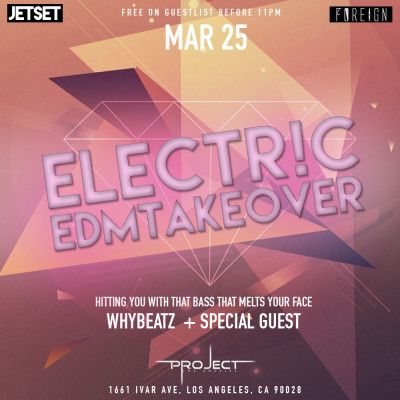
Cheers to the freakin’ weekend! Let’s go big at #ProjectFridays for the #Jetset EDM Takeover! #projectclubla VIP: 201.452.8163 | vip@projectclubla.com
We’re getting down tonight with #CableMonkeys you won’t want to miss out on this special #ProjectOnSaturdays #projectclubla VIP: 201.452.8163 | vip@projectclubla.com
Let’s keep the party going tonight for @mondaysocial with Martin Roth, Davi, & Ray Kash #projectclubla VIP: 201.453.8163 | vip@projectclubla.com
Waiting for the #weekend like….☕️ #projectclubla
We are kicking off the #weekend right tonight for #ProjectFridays , see you on the dance floor! VIP: 201.452.8163 | vip@projectclubla.com
The stars align tonight at the Sol Selecta’s Showcase Ft. @Nadastrom @djsabonyc and @saandmusic #MondaySocial VIP: 201.452.8163 | vip@projectclubla.com
A little #tbt of the beautiful #jenniferlawrence at the #oscars ❤️ can’t wait to see this year’s fashion! #projectclubla
#goals we love the new #rihanna & #drake music video for #work #projectclubla
Getting a little workout in before @mondaysocial tonight! #MNS #projectclubla
The legendary space Miami resident @cocodrills are spinnin tonight at @mondaysocial we’ll see you there #projectclubla VIP: 201.452.8163 | vip@projectclubla.com
Let’s #knockout this day! #happytuesday #adrianalima #projectclubla
Is it the #weekend yet?! We’re ready to open our doors for you again #projectclubla
It’s going down tonight at #ProjectOnSaturdays with @mikey_danger and @brandenking_ we’re going big! VIP: 301.452.8163 | vip@projectclubla.com
It is about to be a good night tonight here at #projectclubla for #ProjectFridays see you there! VIP: 201.452.8163 | vip@projectclubla.com
We are so excited for @krewella to take the stage tomorrow for Yasmine’s birthday party! If you haven’t already got your tickets, link in the bio
Why settle for just a glass when you can go the full bottle? #nationaldrinkwineday #projectclubla
Tonight the ladies of @krewella are taking over #projectclubla for Yasmine’s birthday, All proceeds go to Charity @danceforparalysis , Get your tickets and tables reserved before they sell out! Link in the bio VIP: 201.452.8163 | vip@projectclubla.com
Beyoncé is just so majestic! Who had the best outfit at the Grammys? #projectclubla #grammys #queenb