

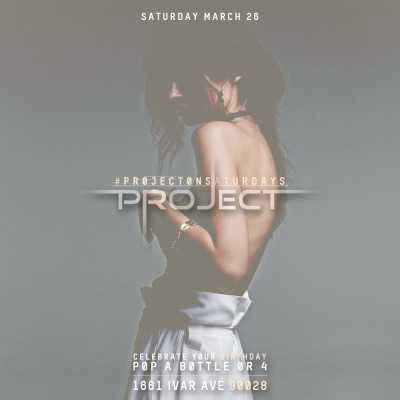
Project Club LA’s Guide to Powerful, Clean Bass
A packed Los Angeles dance floor changes the acoustic picture every night. Bodies absorb some reflections, yet bass accumulates in corners and beneath platforms, so a system that sounds balanced at the booth can turn boomy across the room.
How Project Club LA’s sound engineers balance bass without distortion is a question of control rather than raw volume. They manage the path from DJ mixer to console, processing, amplifiers and subwoofers, leaving enough headroom for peaks while preserving the kick’s definition.
The result should feel powerful without the harsh edge of clipping or the muddy harmonics of overloaded low end. For Australian club-goers, familiar reference points include packed rooms in Sydney, Melbourne and Brisbane, where clear monitoring and considerate sound levels matter just as much.
| Control | Engineer’s focus | Audience benefit |
|---|---|---|
| Gain staging | Preserve headroom throughout the signal path | Lower risk of clipping |
| Filtering | Remove unnecessary low-frequency energy | Cleaner kick and bass |
| Limiting | Control peaks with a controlled release | Consistent impact with less pumping |
| Alignment | Time-align subwoofers with main speakers | Better integration across the floor |
| Room tuning | Address modes, reflections and weak spots | More even low-end response |
Why bass behaves differently on a full dance floor
Bass changes at midnight compared with an empty soundcheck. A crowd alters reflections and masks some higher frequencies, but low frequencies still gather along walls, under floors and behind the DJ booth. Engineers address those zones with subwoofer placement, aiming and system processing rather than one blanket volume boost.
Clean bass also separates the kick from the bass line. If the two overlap heavily, the low end loses rhythm and listeners may turn up the entire system, increasing fatigue. A disciplined mix keeps both elements legible while preventing either from overloading the output chain.
Gain staging creates room for clean impact
The first safeguard is gain staging: assigning sensible signal levels from the source through the console and amplifiers. Maintaining headroom allows the system to handle unexpected transients without hard clipping. Redlining the mixer might appear powerful on its meters, but it removes the processing space needed to control those peaks later.
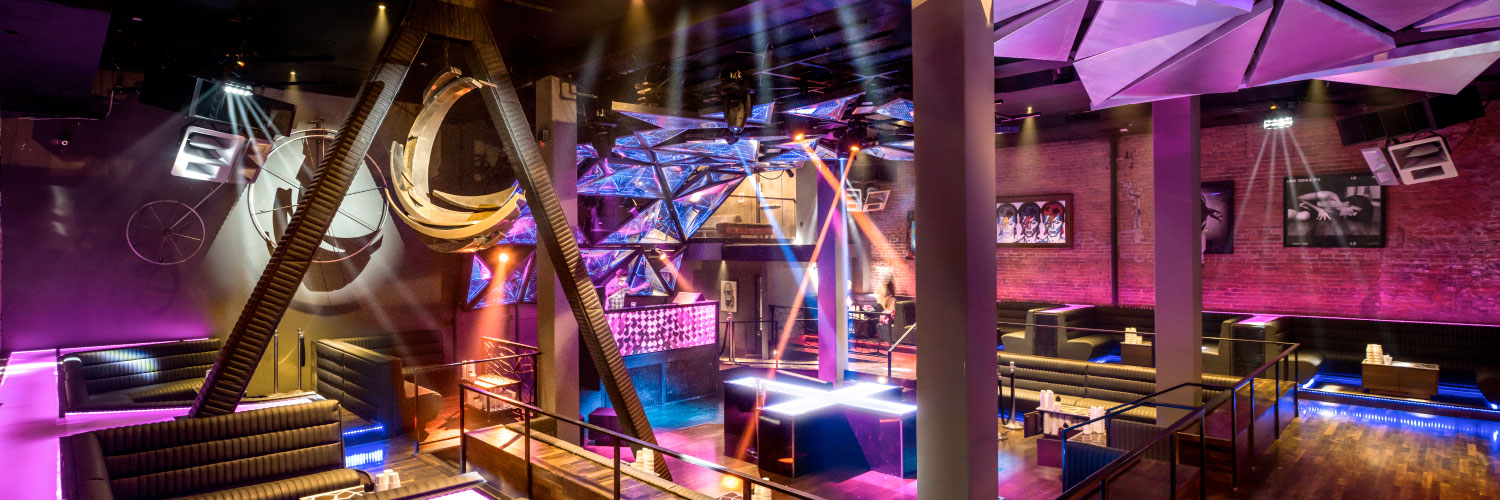
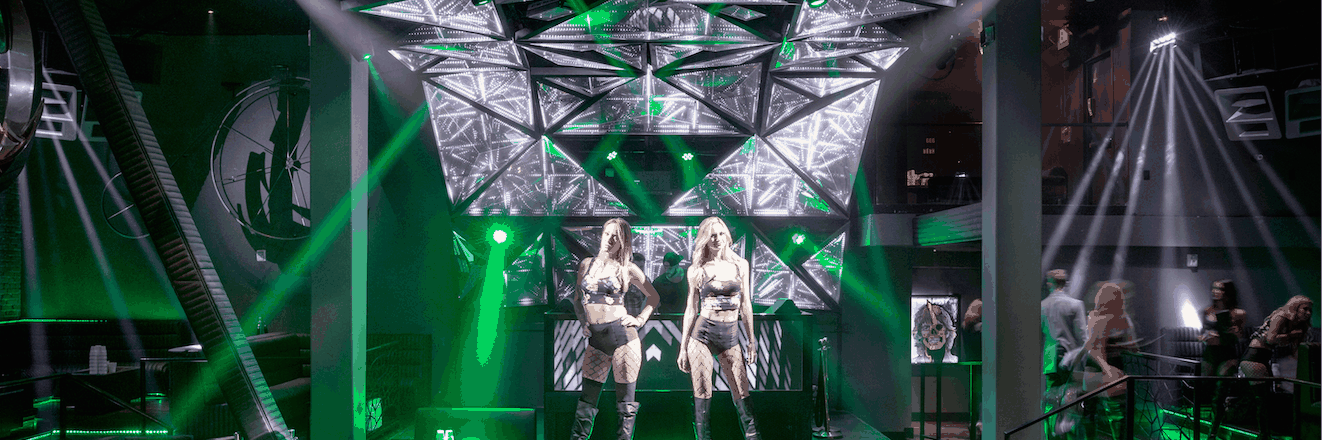
Filters provide another layer of protection. Engineers can remove frequencies that do not contribute to the intended sound, while carefully controlling the transition between the subwoofer and full-range speakers. The recent photo gallery captures the atmosphere in which this technical work becomes audible, with the audience spread across the room rather than concentrated in one position.
Tuning the room for clarity rather than excess
Measurement microphones and test signals help engineers identify frequency build-ups and cancellation before opening night. Equalisation can then address a problematic room mode, although experienced engineers avoid correcting every narrow peak. Excessive processing may improve a measurement while making the overall mix sound less natural.
Subwoofer delay is equally important. When the bass arrives slightly later than the kick and other instruments, the brain perceives separate, disconnected low end. Adjusting arrival time and testing phase creates a unified pulse. Distribution matters as well: placing subs around the room or using directional arrays can reduce concentrated energy and improve consistency for guests near the bar, raised areas and dance floor.
Monitoring for booths, ears and busy floors
The booth provides one reference point, but engineers check the system from several positions. Meters reveal excessive peaks, while familiar tracks reveal whether the kick, bass and vocal remain balanced. Monitoring at different heights and distances also exposes problems that disappear when the listener remains in one familiar spot.
Communication extends beyond the engineering desk. Guest DJs, promoters and media partners need consistent technical information, and industry networks such as Diplomat West can support that wider coordination. Clear promotion, hospitality schedules and technical riders give the sound team dependable information when artists change sets or performances move between rooms.
Australian nightlife adds practical constraints
Australian venues operate within a varied local market. Sydney’s Kings Cross precinct, Melbourne’s inner-city warehouse parties and Brisbane’s Fortitude Valley clubs each face different room shapes, crowd densities and transport patterns. Travelling home by tram in Melbourne or relying on Brisbane’s late train network can shape when a venue must reduce its programme, while NSW on-premises licence conditions and local trading curfews determine operating hours.
Ticketing also requires care under Australian Consumer Law. Advertised entry conditions, age restrictions and refund promises must be handled consistently across direct sales and ticket platforms. Many Australian nightlife audiences now move between physical events and digital entertainment, including coverage of online casino pokies, but live venues remain responsible for their own licensed conduct and clearly presented terms.
Portable event systems require an adaptable approach. A room in a converted warehouse may have hard surfaces and limited low-frequency absorption, while a temporary outdoor stage introduces wind, weather and changing audience positions. Engineers therefore arrive with adjustable processing, measurement tools and backup signal paths rather than relying on a fixed setup designed for one building.
Safety, inclusion and event-day discipline
Hearing protection should be visible and easy to find. Australian hearing-health campaigns encourage responsible listening, and earplugs can offer a practical option without interrupting the night. Announcements should explain where they are available, particularly during extended events where exposure accumulates across several rooms.
Inclusive programming belongs within the same operational plan. Details for the annual Pride celebration show how a welcoming atmosphere depends on coordination across sound, lighting, entry and floor staff. Engineers keep the system comfortable, intelligible and consistent so every guest can participate without excessive pressure or loss of clarity.
Reserve your night at Project Club LA
Project Club LA’s recurring events bring together guest DJs, EDM performances, birthday celebrations and special shows, with each format receiving a level-appropriate sound check. Advance planning lets the engineering team prepare system settings and monitor transitions before doors open.
Check the forthcoming event listings, select your tickets or reserve a VIP table, and add the celebration to your plans. Join the club’s mailing list for schedule updates, performance announcements and invitations to upcoming nights.
Mondays are the new Saturday! Join us tonight for a very special @mondaysocial ft Dj Dan b2b Andy Caldwell VIP: 201.452.8163 | vip@projectclubla.com
Just woke up like… #daylightsavings #justinbieber #mcm #projectclubla
Cheers to the freakin’ weekend! Let’s go big at #ProjectFridays for the #Jetset EDM Takeover! #projectclubla VIP: 201.452.8163 | vip@projectclubla.com
We’re getting down tonight with #CableMonkeys you won’t want to miss out on this special #ProjectOnSaturdays #projectclubla VIP: 201.452.8163 | vip@projectclubla.com
Let’s keep the party going tonight for @mondaysocial with Martin Roth, Davi, & Ray Kash #projectclubla VIP: 201.453.8163 | vip@projectclubla.com
Waiting for the #weekend like….☕️ #projectclubla
We are kicking off the #weekend right tonight for #ProjectFridays , see you on the dance floor! VIP: 201.452.8163 | vip@projectclubla.com
The stars align tonight at the Sol Selecta’s Showcase Ft. @Nadastrom @djsabonyc and @saandmusic #MondaySocial VIP: 201.452.8163 | vip@projectclubla.com
A little #tbt of the beautiful #jenniferlawrence at the #oscars ❤️ can’t wait to see this year’s fashion! #projectclubla
#goals we love the new #rihanna & #drake music video for #work #projectclubla
Getting a little workout in before @mondaysocial tonight! #MNS #projectclubla
The legendary space Miami resident @cocodrills are spinnin tonight at @mondaysocial we’ll see you there #projectclubla VIP: 201.452.8163 | vip@projectclubla.com
Let’s #knockout this day! #happytuesday #adrianalima #projectclubla
Is it the #weekend yet?! We’re ready to open our doors for you again #projectclubla
It’s going down tonight at #ProjectOnSaturdays with @mikey_danger and @brandenking_ we’re going big! VIP: 301.452.8163 | vip@projectclubla.com
It is about to be a good night tonight here at #projectclubla for #ProjectFridays see you there! VIP: 201.452.8163 | vip@projectclubla.com
We are so excited for @krewella to take the stage tomorrow for Yasmine’s birthday party! If you haven’t already got your tickets, link in the bio
Why settle for just a glass when you can go the full bottle? #nationaldrinkwineday #projectclubla
Tonight the ladies of @krewella are taking over #projectclubla for Yasmine’s birthday, All proceeds go to Charity @danceforparalysis , Get your tickets and tables reserved before they sell out! Link in the bio VIP: 201.452.8163 | vip@projectclubla.com
Beyoncé is just so majestic! Who had the best outfit at the Grammys? #projectclubla #grammys #queenb