
How Project Club LA’s Fire Safety Rules Affect Dance Floor Capacity
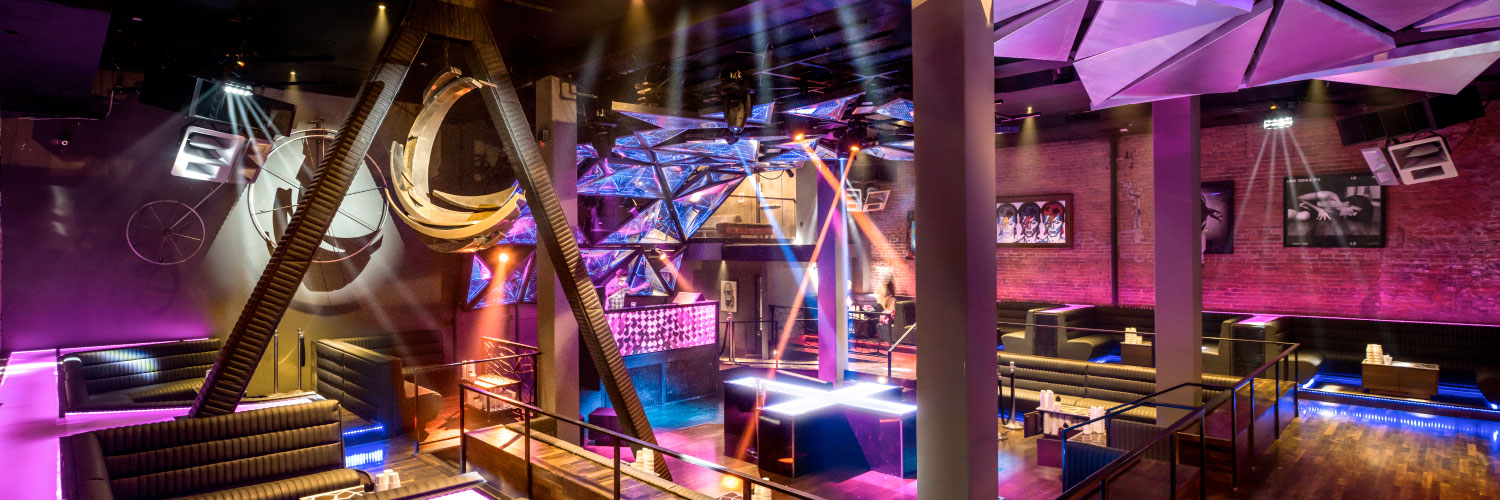
Project Club LA’s dance floor can appear to have endless room, yet fire safety rules set its safe operating limit through an approved layout and occupancy conditions. A popular guest DJ or busy holiday night does not permit extra guests once the approved capacity has been reached.
That matters when planning a night out in Australia, where dense entertainment districts, apartment neighbours and busy transport have made crowd management familiar. Melbourne and Sydney licensed venues balance capacity, security, noise and departure routes; visitors can expect comparable care in Los Angeles.
Ticket demand is not the same as permitted capacity. The legal and operational ceiling reflects usable floor area, exits, fixed furniture, stage equipment and fire-authority conditions. Understanding that ceiling helps guests arrive with realistic timing and fewer surprises at the door.
Approved occupancy starts on paper
An approved floor plan establishes the maximum occupant load before an event is marketed. The calculation considers permitted use and area, while separate checks cover exit width, travel distance, accessibility, alarms, sprinklers and toilets. Los Angeles fire and building officials enforce the applicable requirements and permit conditions, even when the entertainment changes.
The dance floor is only one part of that calculation. Bars, booths, walkways and standing zones must fit within the permitted total, and temporary installations cannot block routes. The effective limit is usually the lowest constraint produced by building capacity, egress, operations and licence conditions.
Why the main room can fill first
The main room may therefore reach its limit while other space remains available. A larger audience, heavier staging or more tables can reduce usable standing space. Staff may use clickers, scans or floor guides to monitor the approved limit in real time.
Guests should check the event listing and door policy on Project Club LA before travelling. Announcements can explain timed entry, early door openings or a sold-out waiting list. A ticket confirms admission to that session, not unlimited access to the room.
Production choices change usable capacity
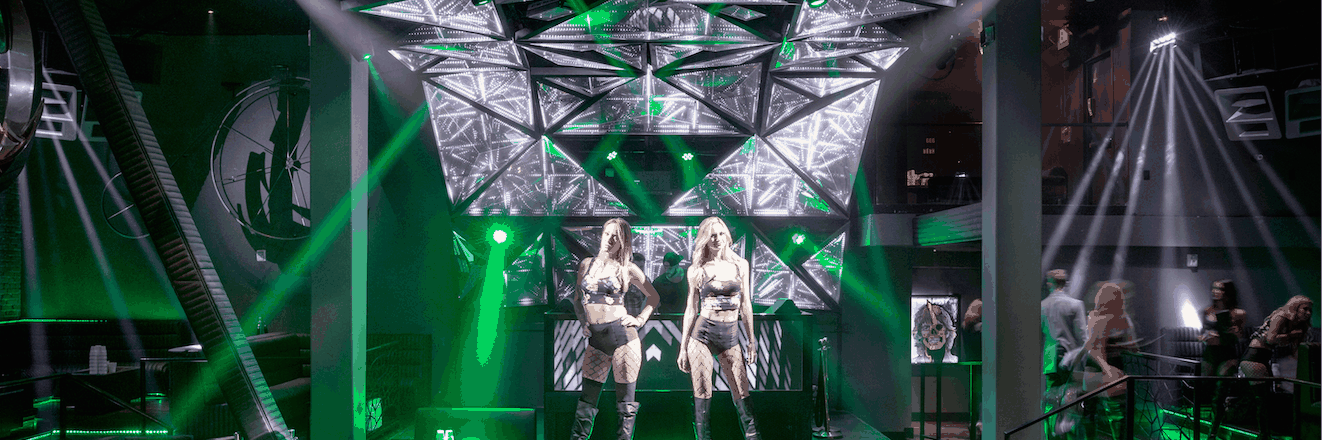
Production can alter the plan between booking and opening. A DJ booth, LED screen, lighting truss, barrier or special-effects rig may occupy floor space or require separation from guests. Fog, lasers, confetti and theatrical effects must use approved products and operate within the venue’s permit.
Temporary structures may require inspection or updated approval. A wider barrier can improve audience separation while reducing space near the stage. A queue beside an exit may also need a separate crowd plan, even when the indoor occupant count is unchanged.
These controls protect guests, crew and the building. They can also change the night through a denser floor, redirected queue or earlier cut-off time. Management should explain changes through event updates, staff briefings and on-site instructions rather than leaving guests with an unexplained delay.
What Australian visitors should expect
Australian nightlife offers a useful comparison. Sydney and Melbourne club districts sit close to apartments and transport corridors, making acoustic limits, security and orderly dispersal familiar concerns. Hollywood brings similar pressures around queues, traffic and neighbours after a late finish.
Regulation differs across Australian states. New South Wales frameworks include the Fire Safety Act 1995 and Building Code 2022, while Victoria’s Building Regulations 2018 form part of a separate state regime. In California, local fire and building officials enforce applicable codes and permit conditions. Liquor licensing adds another layer but does not replace capacity control.
Travellers used to tapping Opal in Sydney or Myki in Melbourne should allow time for Los Angeles Metro, rideshare or a taxi after a late set. Expect ID checks where alcohol is served, prices in US dollars and possible card holds at the door. An early arrival can be more useful than arriving with the whole group at peak time.
Coordination keeps special events safe
Guest DJs, dancers, photographers and special performers add variables to any bill. Promoters should share the final layout, effect schedule and entry plan with the venue, security team and artists, preventing production gear from narrowing an exit or placing guests where emergency staff cannot move quickly.
Organisers can also consult local music and cultural networks, including KMOPA community resources, when planning artist partnerships and audience outreach. If those partnerships create a busier event, the approved occupancy and emergency plan still determine how many guests can enter.
Check capacity before entering
Before heading out, guests can reduce uncertainty by checking a few event and venue details:
- Read the event page for door time, DJ hours, age policy and sold-out status.
- Book through official ticket channels and note any refund or resale terms.
- Reserve a table before arrival if your group expects to stay together.
- Arrive early enough for ID checks, security screening and a managed entry queue.
- Keep bags small and never block aisles, fire equipment or marked exits.
- Note two exit routes once inside and follow staff instructions promptly.
This check takes only minutes, while mistaken assumptions can affect the entire night. Capacity limits protect the venue, neighbours and fellow dancers, and respecting a queue or entry pause supports the same system. If a session is full, follow the published waitlist or return-time procedure rather than pressuring staff.
Make your next Project Club night count
Guests planning regular visits can review the club loyalty programme for member benefits and event news, including invitations, schedule changes and birthday or group-visit information.
Choose an event, purchase tickets or reserve a VIP table, and check the latest door arrangements before leaving home. Share the plan with your group, arrive within the advertised window and follow the venue team’s capacity instructions. Project Club LA welcomes dancers who plan thoughtfully and enjoy responsibly.
Mondays are the new Saturday! Join us tonight for a very special @mondaysocial ft Dj Dan b2b Andy Caldwell VIP: 201.452.8163 | vip@projectclubla.com
Just woke up like… #daylightsavings #justinbieber #mcm #projectclubla
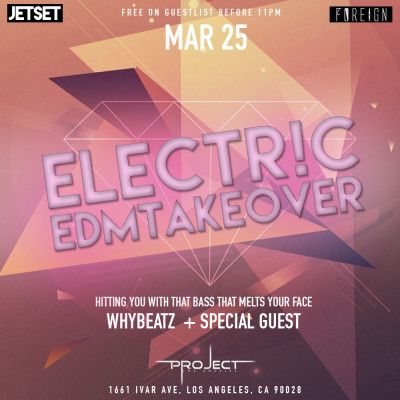
Cheers to the freakin’ weekend! Let’s go big at #ProjectFridays for the #Jetset EDM Takeover! #projectclubla VIP: 201.452.8163 | vip@projectclubla.com
We’re getting down tonight with #CableMonkeys you won’t want to miss out on this special #ProjectOnSaturdays #projectclubla VIP: 201.452.8163 | vip@projectclubla.com
Let’s keep the party going tonight for @mondaysocial with Martin Roth, Davi, & Ray Kash #projectclubla VIP: 201.453.8163 | vip@projectclubla.com
Waiting for the #weekend like….☕️ #projectclubla
We are kicking off the #weekend right tonight for #ProjectFridays , see you on the dance floor! VIP: 201.452.8163 | vip@projectclubla.com
The stars align tonight at the Sol Selecta’s Showcase Ft. @Nadastrom @djsabonyc and @saandmusic #MondaySocial VIP: 201.452.8163 | vip@projectclubla.com
A little #tbt of the beautiful #jenniferlawrence at the #oscars ❤️ can’t wait to see this year’s fashion! #projectclubla
#goals we love the new #rihanna & #drake music video for #work #projectclubla
Getting a little workout in before @mondaysocial tonight! #MNS #projectclubla
The legendary space Miami resident @cocodrills are spinnin tonight at @mondaysocial we’ll see you there #projectclubla VIP: 201.452.8163 | vip@projectclubla.com
Let’s #knockout this day! #happytuesday #adrianalima #projectclubla
Is it the #weekend yet?! We’re ready to open our doors for you again #projectclubla
It’s going down tonight at #ProjectOnSaturdays with @mikey_danger and @brandenking_ we’re going big! VIP: 301.452.8163 | vip@projectclubla.com
It is about to be a good night tonight here at #projectclubla for #ProjectFridays see you there! VIP: 201.452.8163 | vip@projectclubla.com
We are so excited for @krewella to take the stage tomorrow for Yasmine’s birthday party! If you haven’t already got your tickets, link in the bio
Why settle for just a glass when you can go the full bottle? #nationaldrinkwineday #projectclubla
Tonight the ladies of @krewella are taking over #projectclubla for Yasmine’s birthday, All proceeds go to Charity @danceforparalysis , Get your tickets and tables reserved before they sell out! Link in the bio VIP: 201.452.8163 | vip@projectclubla.com
Beyoncé is just so majestic! Who had the best outfit at the Grammys? #projectclubla #grammys #queenb