

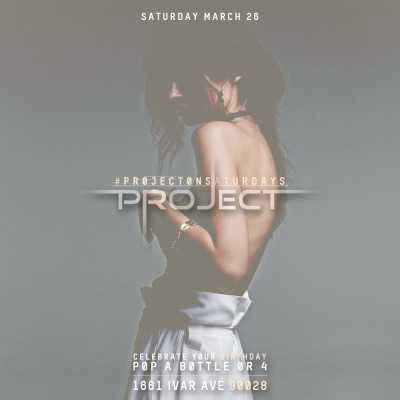
How Project Club LA DJs Read the Crowd and Shape the Night
A great dance floor is never treated as a fixed audience. Project Club LA’s DJs watch movement, attention, requests, and the reaction to each transition, then shape the set around what people are communicating in real time. That is how an EDM night can feel spontaneous while still having a clear musical direction.
For Australian visitors, this approach matters when planning a Los Angeles nightlife experience from Sydney, Melbourne, Brisbane, or Perth. Travel schedules, jet lag, exchange rates, and different club customs can affect the way a group enters the room, so a responsive DJ helps turn separate pockets of energy into one shared night.
The First Read Begins Before The Music
DJs start gathering information as soon as guests enter. They notice whether people head straight to the dance floor, gather near the bar, move towards VIP tables, or pause to take in the room. A quiet opening does not always mean low interest; it may reflect a crowd arriving in waves after dinner, rideshare delays, or a late reservation.
The DJ also considers the night’s purpose. A birthday group may want recognisable anthems early, while a crowd attending for a guest performer may prefer a gradual build. The event’s promotion, expected audience, and previous attendance patterns create an initial framework, but the dance floor remains the most reliable source of evidence.
Energy Is Measured Through Movement
A DJ can read momentum through physical details. More guests moving towards the centre, hands lifting during a chorus, and groups staying through a transition all suggest that the current direction is working. If people begin drifting away after several similar drops, the set may need a change in tempo, genre, or vocal intensity.
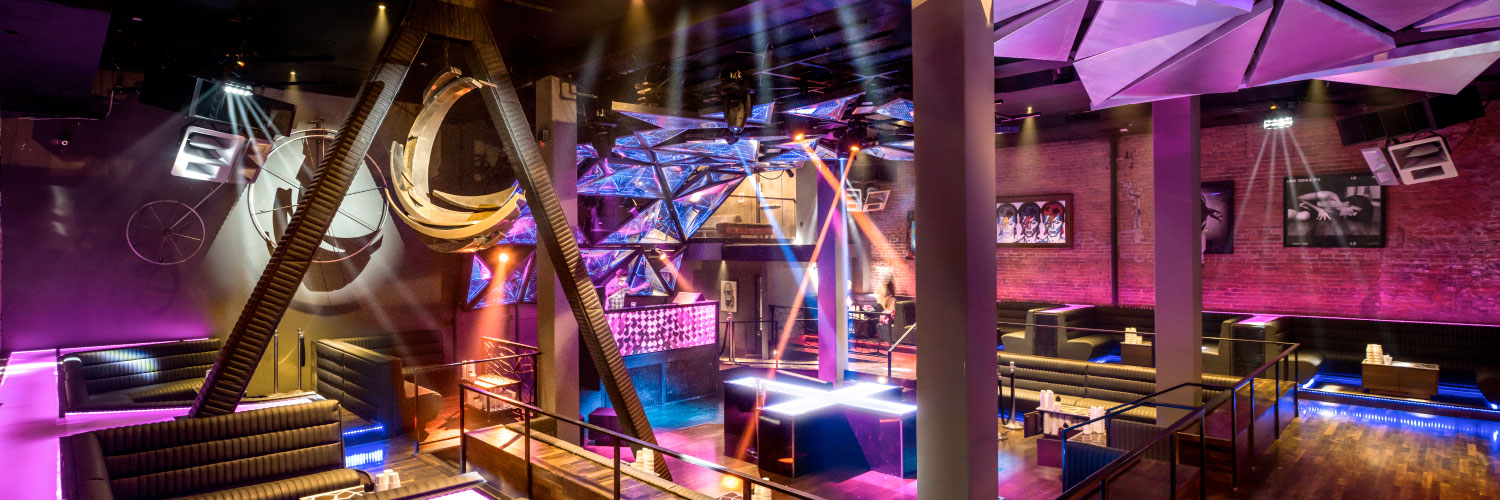
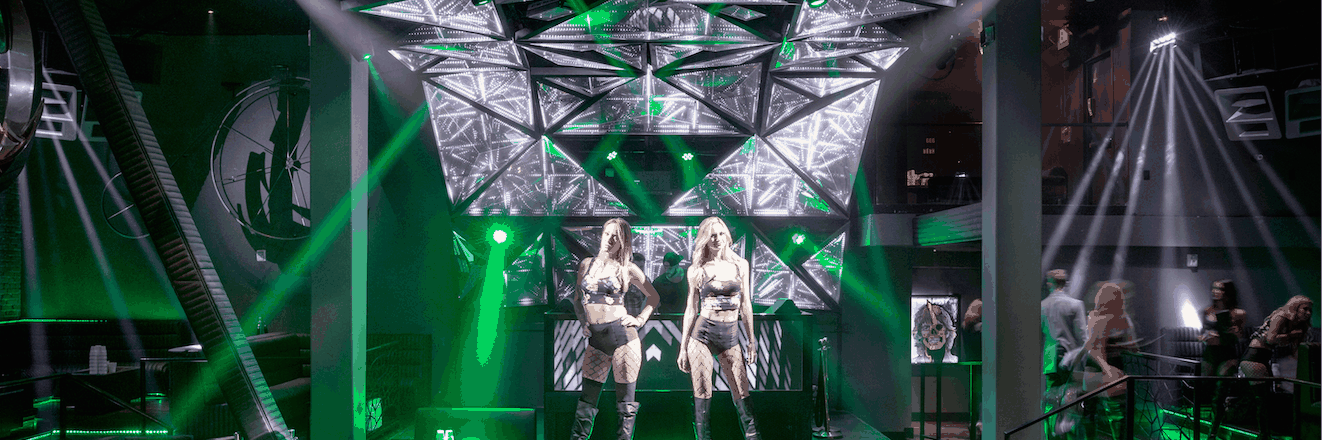
This process is subtle rather than dramatic. The booth team may compare observations, watch different parts of the venue, and identify whether a lull affects the whole room or only one area. Understanding the floor plan guide helps explain why the crowd near the booth may respond differently from guests at the edges.
Building A Set Without Losing Variety
Reading the crowd does not mean playing every request immediately. Strong DJs balance familiar hooks with fresh sounds, using progressive house, bass, techno, electro, or commercial dance records according to the atmosphere. A recognisable vocal can bring people together, while a less familiar track can keep the night from becoming predictable.
Transitions provide another clue. If a faster mix lifts the room, the DJ may continue increasing intensity. If the crowd responds better to a spacious breakdown, the next tracks can leave more room for vocals and anticipation. This is a form of live curation: the playlist has a plan, yet each decision remains flexible.
Adjusting For Different Crowd Types
A mixed crowd often contains several musical preferences at once. Regular clubgoers may want a harder late-night sound, birthday guests may prefer celebratory favourites, and visitors seeing the venue for the first time may respond to big, accessible moments. The DJ’s task is to create shared peaks without making any group feel ignored.
That is especially relevant for Australians accustomed to different nightlife rhythms. A Melbourne crowd may be comfortable with genre-focused warehouse sets, while a Sydney group visiting Hollywood could expect polished production and well-known dance records. Guests from Brisbane or Perth may also arrive with different expectations around pacing, table service, and when the main room reaches full energy.
Timing The Peak Moments
A packed floor is not automatically the best moment to play the biggest track. DJs consider what has already happened, who has just arrived, and whether the room still has several hours ahead. Holding back a major anthem can make a later peak feel earned rather than using every high-impact record in the opening stretch.
Special occasions require careful timing too. For a birthday, the DJ may build a recognisable sequence around the group’s celebration, then return to the broader set. Guests organising a post-wedding event can also think about how the evening should move from conversation to dancing; a post-wedding brunch guide offers useful context for coordinating connected celebrations at one venue.
VIP Spaces And The Main Floor
VIP areas influence the room without necessarily dictating the music. A DJ can acknowledge a table celebration, a group arrival, or a guest performance while preserving the energy of the main floor. The best adjustments support the whole venue instead of turning the set into a private soundtrack for one section.
That balance matters for groups comparing the value of table service with general admission. Australian visitors planning in AUD should allow for ticket costs, transport, service charges, and currency fluctuations before choosing a package. Current event details, tickets, and celebration options are available through Project Club LA, making it easier to match the booking with the group’s plans.
Turning Crowd Reading Into A Better Night
The venue’s musical responsiveness reflects a longer Hollywood club tradition, where DJs, performers, and production teams have continually adapted to changing audiences. For background on that setting, Hollywood club history places Project Club LA within the city’s evolving nightlife culture.
Guests can improve their experience by arriving with realistic expectations and allowing the night to develop. A DJ may move through several moods before reaching the headline sound, and the most memorable moment can come from a transition that no one planned in advance.
Planning Around The DJ’s Signals
A few practical choices help guests work with the room rather than against it:
- Arrive early enough to settle in before the main dance-floor surge.
- Check the event style and guest DJ before choosing tickets or a table.
- Keep requests brief and respectful, recognising that the set follows the wider crowd.
- Allow time for rideshare pickup, especially after late events in Hollywood.
- Set a spending limit that includes cover charges, drinks, tips, and currency conversion.
- Choose comfortable footwear so you can stay engaged when the tempo rises.
| Crowd signal | Likely DJ response | What guests may notice |
|---|---|---|
| More people move towards the centre | Extend the current groove or raise intensity | Longer blends and stronger drops |
| The floor thins after repeated peaks | Change genre, tempo, or vocal style | A reset track or broader singalong |
| A celebration group becomes active | Add a familiar hook or planned shout-out | A brief spotlight without stopping the set |
| Late arrivals fill the room | Rebuild momentum for the new audience | More accessible tracks before deeper selections |
When DJs read the crowd well, every adjustment feels natural: a bassline lands at the right moment, a familiar vocal opens the room, and a gradual build keeps the night moving. Explore the upcoming events at Project Club LA and plan your tickets, VIP experience, or celebration around the atmosphere you want to share.
Mondays are the new Saturday! Join us tonight for a very special @mondaysocial ft Dj Dan b2b Andy Caldwell VIP: 201.452.8163 | vip@projectclubla.com
Just woke up like… #daylightsavings #justinbieber #mcm #projectclubla
Cheers to the freakin’ weekend! Let’s go big at #ProjectFridays for the #Jetset EDM Takeover! #projectclubla VIP: 201.452.8163 | vip@projectclubla.com
We’re getting down tonight with #CableMonkeys you won’t want to miss out on this special #ProjectOnSaturdays #projectclubla VIP: 201.452.8163 | vip@projectclubla.com
Let’s keep the party going tonight for @mondaysocial with Martin Roth, Davi, & Ray Kash #projectclubla VIP: 201.453.8163 | vip@projectclubla.com
Waiting for the #weekend like….☕️ #projectclubla
We are kicking off the #weekend right tonight for #ProjectFridays , see you on the dance floor! VIP: 201.452.8163 | vip@projectclubla.com
The stars align tonight at the Sol Selecta’s Showcase Ft. @Nadastrom @djsabonyc and @saandmusic #MondaySocial VIP: 201.452.8163 | vip@projectclubla.com
A little #tbt of the beautiful #jenniferlawrence at the #oscars ❤️ can’t wait to see this year’s fashion! #projectclubla
#goals we love the new #rihanna & #drake music video for #work #projectclubla
Getting a little workout in before @mondaysocial tonight! #MNS #projectclubla
The legendary space Miami resident @cocodrills are spinnin tonight at @mondaysocial we’ll see you there #projectclubla VIP: 201.452.8163 | vip@projectclubla.com
Let’s #knockout this day! #happytuesday #adrianalima #projectclubla
Is it the #weekend yet?! We’re ready to open our doors for you again #projectclubla
It’s going down tonight at #ProjectOnSaturdays with @mikey_danger and @brandenking_ we’re going big! VIP: 301.452.8163 | vip@projectclubla.com
It is about to be a good night tonight here at #projectclubla for #ProjectFridays see you there! VIP: 201.452.8163 | vip@projectclubla.com
We are so excited for @krewella to take the stage tomorrow for Yasmine’s birthday party! If you haven’t already got your tickets, link in the bio
Why settle for just a glass when you can go the full bottle? #nationaldrinkwineday #projectclubla
Tonight the ladies of @krewella are taking over #projectclubla for Yasmine’s birthday, All proceeds go to Charity @danceforparalysis , Get your tickets and tables reserved before they sell out! Link in the bio VIP: 201.452.8163 | vip@projectclubla.com
Beyoncé is just so majestic! Who had the best outfit at the Grammys? #projectclubla #grammys #queenb