
The Evolution of Project Club LA’s Stage Design
Project Club LA’s stage has evolved from a traditional nightclub focal point into a complete audiovisual environment. Across changing EDM trends, guest DJ line-ups and special performances, the room has increasingly treated lighting, video, movement and crowd interaction as part of the entertainment itself.
That development matters to Australian visitors planning a Los Angeles night out. Club culture in Sydney, Melbourne, Brisbane and Perth often places strong emphasis on sound quality, production value and queue-to-dancefloor flow. Project Club LA’s changing design reflects those expectations while retaining the bold, high-energy character of Hollywood nightlife.
From Hollywood Room To Immersive Environment
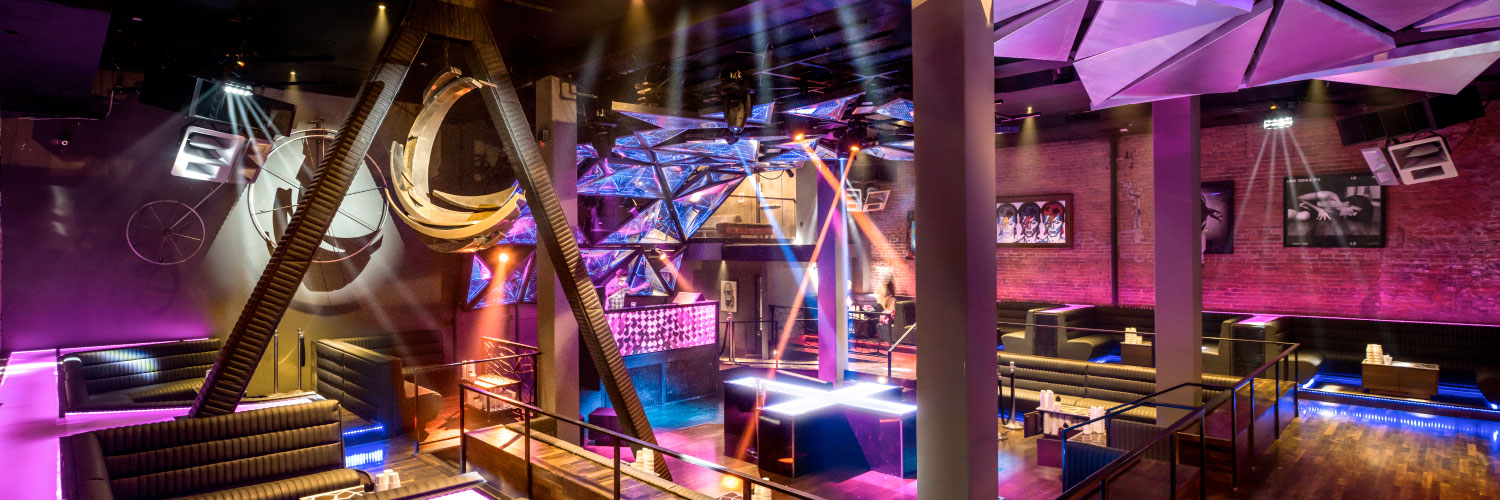
Earlier nightclub stages generally worked as a clear centre of attention: the DJ booth, a few moving lights and a dancefloor facing forward. Over time, Project Club LA’s production language has become more layered, using the entire room to create a sense of motion and occasion.
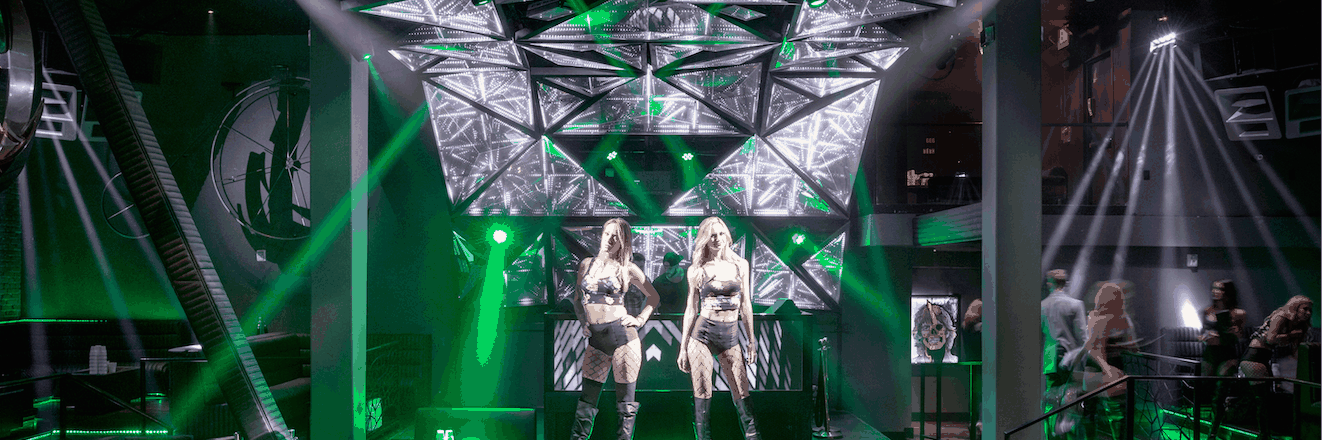
The stage is now less like a fixed platform and more like a visual anchor. Lighting beams can pull attention towards the performer, while colour washes and screen content extend the performance into the crowd. That approach suits dance music, where a drop, vocal break or transition can change the atmosphere in seconds.
Lighting Finds Its Voice
Lighting design has become one of the venue’s strongest storytelling tools. Fast strobes can sharpen a peak-time set, while saturated blues, reds and purples give slower passages a richer mood. Carefully timed fades help the room breathe between major moments instead of keeping every effect at maximum intensity.
The creative thinking behind those choices is explored in the lighting design process, where mood, timing and musical style work together. This is a key shift in modern club production: the lighting operator is shaping the night in real time rather than simply illuminating the stage.
Screens, Motion, And Visual Rhythm
LED panels and animated graphics have added another layer to the club’s visual identity. Instead of relying on a single logo or static backdrop, contemporary stage design can respond to the DJ’s genre, the event theme and the energy of the room.
Visual rhythm also makes a difference for guests standing away from the booth. A coordinated combination of screens, beams and silhouettes keeps sightlines active across the dancefloor. For Australian travellers used to large-format venues in Melbourne’s CBD or Sydney’s Kings Cross, that sense of scale can make a Hollywood club feel especially immediate.
A Stage Built For Different Nights
Recurring EDM events need a flexible production system. A design that works for a high-speed house set may need to feel different for a guest DJ, a themed party or a live special performance. Modular lighting positions, adaptable visuals and adjustable intensity allow the venue to change character without rebuilding the room.
That flexibility also supports birthday celebrations and VIP bookings. A private group may want a polished, celebratory atmosphere, while a late-night dance crowd expects maximum movement. The most successful stage environments can serve both without making either audience feel out of place.
VIP Sightlines And Crowd Energy
Modern nightclub design considers where people stand, sit and move. Raised areas and VIP tables need a clear view of the stage, while the central floor must retain enough openness for dancing. Lighting can guide attention towards the booth without making guests at the sides feel disconnected.
The surrounding experience matters as well. Signature drinks, service pacing and visual presentation contribute to how a night feels from arrival to last call. Guests curious about the venue’s themed hospitality can explore signature cocktail ideas before planning a celebration or table booking.
What Australian Guests Can Expect
Australians are familiar with ticketed nightlife, early-bird releases and event-led club marketing, particularly in Melbourne and Sydney. At a Los Angeles venue, however, visitors should account for US dollars, local entry requirements and the practical difference between buying general admission and reserving a table.
Timing can feel different too. An Australian “arvo” plan may start with dinner and drinks, but Hollywood nightlife often builds later as the headline set approaches. Rideshare services are usually more convenient than relying on late public transport, especially for visitors staying outside central Hollywood.
People travelling from Brisbane or Perth should also factor in jet lag when choosing a ticket time. Checking the event listing, dress expectations and transport route before leaving the hotel helps the evening run smoothly. For current listings, ticket options and venue information, the Project Club LA events site is the most direct place to begin.
Practical Ways To Read The Production
Stage design is easiest to appreciate when guests understand how its parts work together. A powerful moment may come from a lighting cue, a screen transition, a performer entrance or the crowd response to a familiar track. Watching the room as a whole reveals more than focusing on the DJ booth alone.
These simple planning habits can make the production feel more rewarding:
- Arrive early enough to notice the room before peak-time lighting begins.
- Check whether the event centres on EDM, house, open-format dance music or a guest performer.
- Choose a viewing position with a clear angle towards both the DJ booth and visual screens.
- Allow extra time for rideshare pickup after the event, especially on busy Hollywood nights.
- Consider VIP seating when celebrating a birthday or hosting guests who need a reliable sightline.
| Stage Element | Earlier Club Approach | Contemporary Project Club LA Experience |
|---|---|---|
| Lighting | Basic colour changes and spotlights | Timed beams, strobes, fades and layered mood |
| Visuals | Static backdrop or logo | Animated screens and event-specific graphics |
| Performance focus | DJ booth as the main feature | DJ, stage, room and crowd working together |
| Flexibility | One layout for most nights | Adaptable production for DJs, parties and performances |
| Guest experience | Dancefloor-centred viewing | Multiple sightlines for general admission and VIP areas |
The evolution of Project Club LA’s stage design shows how nightlife has become a multisensory format. Sound remains the foundation, but light, image, movement and hospitality now shape the memory of the night. For Australians planning a Hollywood visit, booking the right event and arriving prepared can turn a standard club outing into a fully produced experience. Check the latest listings, secure tickets or arrange a VIP celebration through Project Club LA before heading out.
Mondays are the new Saturday! Join us tonight for a very special @mondaysocial ft Dj Dan b2b Andy Caldwell VIP: 201.452.8163 | vip@projectclubla.com
Just woke up like… #daylightsavings #justinbieber #mcm #projectclubla
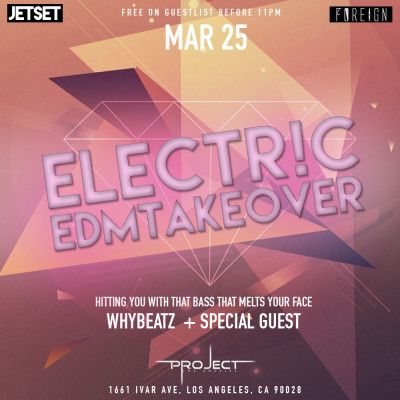
Cheers to the freakin’ weekend! Let’s go big at #ProjectFridays for the #Jetset EDM Takeover! #projectclubla VIP: 201.452.8163 | vip@projectclubla.com
We’re getting down tonight with #CableMonkeys you won’t want to miss out on this special #ProjectOnSaturdays #projectclubla VIP: 201.452.8163 | vip@projectclubla.com
Let’s keep the party going tonight for @mondaysocial with Martin Roth, Davi, & Ray Kash #projectclubla VIP: 201.453.8163 | vip@projectclubla.com
Waiting for the #weekend like….☕️ #projectclubla
We are kicking off the #weekend right tonight for #ProjectFridays , see you on the dance floor! VIP: 201.452.8163 | vip@projectclubla.com
The stars align tonight at the Sol Selecta’s Showcase Ft. @Nadastrom @djsabonyc and @saandmusic #MondaySocial VIP: 201.452.8163 | vip@projectclubla.com
A little #tbt of the beautiful #jenniferlawrence at the #oscars ❤️ can’t wait to see this year’s fashion! #projectclubla
#goals we love the new #rihanna & #drake music video for #work #projectclubla
Getting a little workout in before @mondaysocial tonight! #MNS #projectclubla
The legendary space Miami resident @cocodrills are spinnin tonight at @mondaysocial we’ll see you there #projectclubla VIP: 201.452.8163 | vip@projectclubla.com
Let’s #knockout this day! #happytuesday #adrianalima #projectclubla
Is it the #weekend yet?! We’re ready to open our doors for you again #projectclubla
It’s going down tonight at #ProjectOnSaturdays with @mikey_danger and @brandenking_ we’re going big! VIP: 301.452.8163 | vip@projectclubla.com
It is about to be a good night tonight here at #projectclubla for #ProjectFridays see you there! VIP: 201.452.8163 | vip@projectclubla.com
We are so excited for @krewella to take the stage tomorrow for Yasmine’s birthday party! If you haven’t already got your tickets, link in the bio
Why settle for just a glass when you can go the full bottle? #nationaldrinkwineday #projectclubla
Tonight the ladies of @krewella are taking over #projectclubla for Yasmine’s birthday, All proceeds go to Charity @danceforparalysis , Get your tickets and tables reserved before they sell out! Link in the bio VIP: 201.452.8163 | vip@projectclubla.com
Beyoncé is just so majestic! Who had the best outfit at the Grammys? #projectclubla #grammys #queenb